Why Wildfire Smoke is Extra Risky During Pregnancy
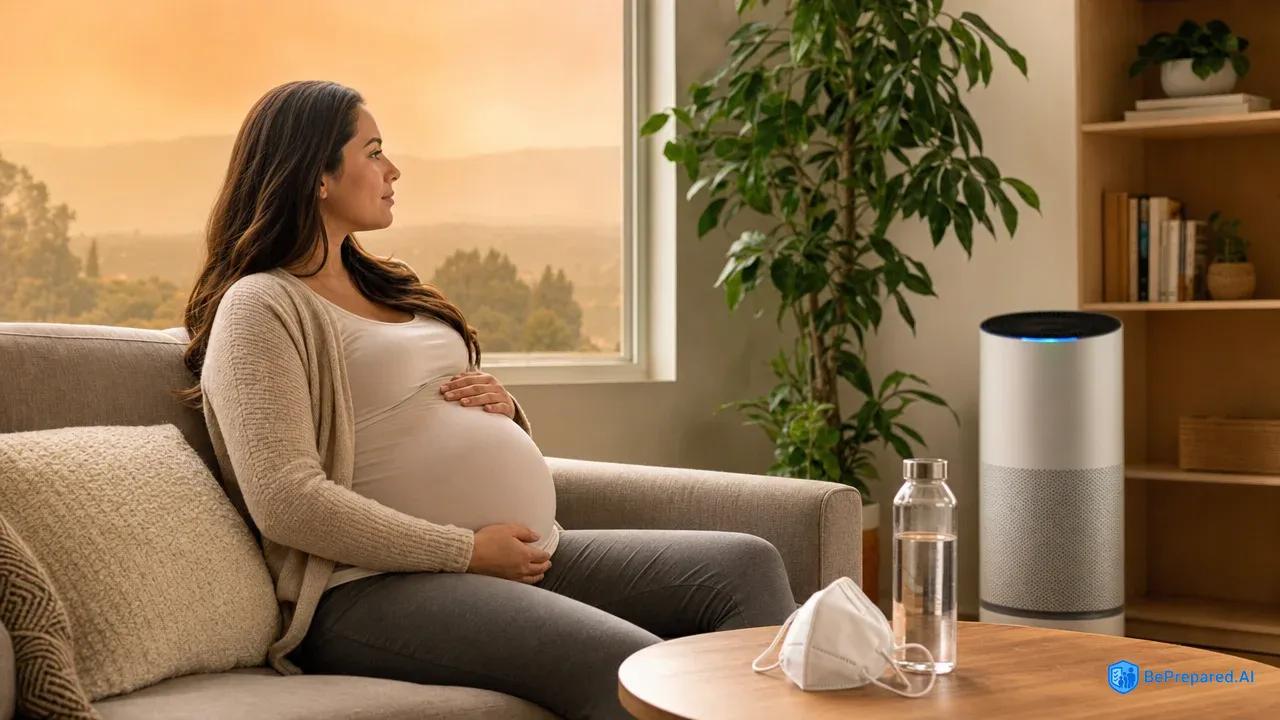
The sky turns an eerie orange, and the smell of smoke seeps through your windows. You're growing a baby, and suddenly every breath feels like a decision you're making for two. If you're pregnant during wildfire season, you're right to be concerned—your body is working overtime already, and wildfire smoke adds stress that neither you nor your developing baby needs.
Here's what makes pregnancy different: your lungs are already working harder than usual, processing more air to supply oxygen to your baby. When that air contains harmful particles from wildfire smoke, you're both exposed to pollutants that can cross the placental barrier. Research shows that pregnant women exposed to wildfire smoke may be at increased risk for pregnancy complications, including preterm birth and low birth weight . These aren't just statistics—they represent real impacts on your pregnancy journey.
The smoke from wildfires isn't just annoying or smelly. It's loaded with fine particulate matter called PM2.5—particles so tiny they can penetrate deep into your lungs and enter your bloodstream. During pregnancy, your immune system naturally shifts to protect your baby, which can make you more vulnerable to the inflammatory effects of air pollution. Exposure to particle pollution from wildfire smoke during pregnancy has been associated with decreased birth weight and increased risk of preterm delivery .
Understanding these risks isn't about creating fear—it's about empowering you to take protective action. When you know why wildfire smoke poses specific dangers during pregnancy, you can make informed decisions about when to stay indoors, when to use protective equipment, and when to consider evacuation. Your awareness becomes your first line of defense, transforming worry into purposeful preparation that keeps both you and your baby safer throughout wildfire season. You don't need to become an expert overnight—just learning a few key protective strategies makes a real difference.
- Preterm Birth Risk
- Wildfire smoke exposure increases the chance of babies being born too early, which can lead to serious health complications
- Low Birth Weight
- Breathing smoky air during pregnancy can cause babies to be born smaller than normal, affecting their development
- Respiratory Problems
- Smoke particles can cause breathing difficulties for both mom and baby, including asthma and lung irritation
- Pregnancy Complications
- Exposure may increase risk of high blood pressure, gestational diabetes, and other serious pregnancy conditions
Health Risks You Should Know About
Knowledge is power, especially when it comes to protecting your pregnancy. The research on wildfire smoke exposure during pregnancy has grown significantly in recent years. While some findings are concerning, understanding them helps you take appropriate precautions without unnecessary panic. Think of this information as your toolkit—once you know what you're dealing with, you can respond effectively.
Respiratory and Birth Complications:
Preterm birth risk may increase with prolonged exposure to heavy smoke, particularly during the third trimester when your baby is gaining critical weight . Low birth weight remains one of the most consistently documented risks, potentially affecting your baby's immediate health and long-term development. Respiratory complications can affect both you and your baby, with smoke exposure potentially triggering asthma symptoms or breathing difficulties.
The good news? These risks often relate to prolonged or heavy exposure. Short-term exposure during occasional smoke events carries less risk than weeks of continuous poor air quality. That's why the protective measures you'll learn in this article matter so much—they help you minimize exposure during the times when smoke is heaviest.
Pregnancy-Specific Conditions:
Research shows that exposure to wildfire smoke during pregnancy may increase the risk of hypertensive disorders and gestational diabetes . People with heart or lung diseases, older adults, children, and pregnant women are more likely to be affected by particle pollution . Placental function can be compromised by inflammatory responses to smoke particles, potentially affecting nutrient and oxygen delivery to your baby.
These conditions sound scary, but remember that your healthcare provider monitors for them throughout your pregnancy anyway. Being aware of wildfire smoke as a potential risk factor simply means you'll be more proactive about protection and communication with your medical team.
Why You're in the Sensitive Category:
The EPA classifies pregnant women as a sensitive group when it comes to air quality—not to alarm you, but to ensure you receive appropriate guidance and protection. Your body's increased oxygen demands, altered immune function, and the developing baby's vulnerability all contribute to this classification. This means you should take protective action at lower air quality levels than the general population, typically when the Air Quality Index reaches 100 rather than waiting until conditions deteriorate further.
Being in a sensitive category doesn't mean you're fragile. It means you get to take action earlier, giving you more control over your exposure. Think of it as having a head start on protection—you get to create your safe space before conditions become truly hazardous for everyone.
Creating Your Safe Indoor Environment
Your home becomes your sanctuary during wildfire season, and with a few strategic adjustments, you can create a clean air refuge that protects you and your growing baby. The goal isn't perfection—it's significant reduction of smoke exposure during the times when outdoor air quality deteriorates. Even small improvements in your indoor air quality add up to meaningful protection for your pregnancy.
Step 1: Seal Your Home During Smoke Events
Start by identifying your home's weak points. Walk through each room and check for gaps around windows, doors, and even electrical outlets. Keep windows and doors closed during heavy smoke events and run air conditioning on recirculate mode . If you don't have air conditioning, this becomes trickier but not impossible. Weather stripping costs just a few dollars and can dramatically reduce smoke infiltration.
Pay special attention to older windows that might not seal properly—even a rolled towel at the base of a door helps block smoke particles. You're not trying to create an airtight bunker. You're just reducing the amount of smoky air that flows freely into your living space. Every gap you seal means fewer particles you and your baby breathe.
Step 2: Designate Your Clean Air Room
You don't need to purify your entire house—focus on creating one room where the air stays consistently cleaner. Choose a room where you spend significant time, ideally your bedroom since you'll be there for eight or more hours each night. This room should have as few windows and doors as possible and be large enough to accommodate your daily activities comfortably.
Close off this room from the rest of the house during heavy smoke days. Avoid activities that create additional particles like cooking, burning candles, or vacuuming. Set up this space with everything you need to be comfortable—books, your laptop, snacks, water, and entertainment. Making your clean air room inviting helps you actually use it when air quality drops.
Step 3: Use Air Purification Strategically
If you can invest in an air purifier with a HEPA filter, place it in your clean air room and run it continuously during smoke events. These devices work by pulling air through filters that trap very small particles, including the harmful PM2.5 from wildfire smoke. Can't afford a commercial unit? You can build a DIY air filter by attaching a furnace filter to a box fan—it's not as elegant, but it can help reduce indoor particle levels .
When shopping for air purifiers, look for ones sized appropriately for your room. A small unit won't effectively clean a large master bedroom. Read the specifications to match the purifier's coverage area to your clean air room's square footage. Run the purifier on high during heavy smoke, then switch to a lower setting once indoor air improves.
Step 4: Monitor and Adjust Your Approach
Your indoor air quality strategy needs flexibility. On days when smoke is heavy, avoid using your kitchen stove or oven, which can add particles to indoor air. Instead, prepare cold meals or use small appliances that don't generate smoke or fumes. Keep the vacuum cleaner in the closet during smoke events—vacuuming stirs up settled particles.
If you must clean, damp-mop floors instead. These small adjustments compound into significantly cleaner indoor air that protects your pregnancy. Check how well your strategies are working by paying attention to whether you can smell smoke indoors. If you can smell it strongly, smoke particles are getting in and you need to seal more gaps or upgrade your filtration.
When to Use Masks and Which Ones Work
Walking into a pharmacy during wildfire season, you'll face a confusing wall of mask options. Some promise protection, others offer comfort, and many pregnant women wonder whether wearing a mask is even safe when breathing already feels harder than usual. Let's cut through the confusion with clear guidance about what works and when you need it. The right mask at the right time gives you freedom to handle necessary tasks even when air quality drops.
The Gold Standard: N95 and P100 Respirators
N95 and P100 masks can filter out harmful smoke particles , but they work very differently from the cloth and surgical masks you might have worn during cold and flu season. These respirators create a tight seal around your nose and mouth, forcing all air through filter material that captures most particles. During pregnancy, you might worry that this tight seal makes breathing harder, but many pregnant women can safely wear N95 masks for reasonable periods.
The key word is reasonable periods. You don't need to wear a respirator all day. Use it for specific outdoor tasks—getting to your car, running essential errands, or traveling to medical appointments during poor air quality. If wearing the mask makes you feel dizzy or short of breath, remove it and return to clean indoor air. If you have pregnancy complications or respiratory conditions, discuss mask use with your healthcare provider first.
What Doesn't Work: Cloth and Surgical Masks
Here's the hard truth: that comfortable cloth mask or surgical mask doesn't filter wildfire smoke effectively. These masks have gaps around the edges and use material that allows tiny smoke particles to pass right through. They're designed for different purposes—blocking large respiratory droplets, not filtering microscopic pollution.
Wearing them during smoky conditions might make you feel better psychologically, but they provide minimal actual protection for you or your baby. Don't waste money on fancy cloth masks marketed for smoke protection unless they specifically meet N95 standards. Save your resources for masks that actually work.
Proper Fit Makes All the Difference
An N95 mask only works if it seals properly against your face. Before wildfire season hits, try on different brands and styles—some fit better with different face shapes. When you put on the mask, adjust the metal nose piece carefully and ensure the straps create even pressure. Perform a seal check: cup your hands over the mask and exhale sharply.
If air leaks out the sides, adjust the fit. If you have facial hair, the mask won't seal properly no matter what you do. Some pregnant women find that their face shape changes slightly during pregnancy due to fluid retention, so a mask that fit perfectly in your first trimester might need adjustment later. Keep checking that seal each time you put the mask on.
When Masks Matter Most
You don't need to wear a respirator indoors in your clean air room—that's the whole point of creating that space. Masks become essential when you must go outside during poor air quality, whether for a medical appointment, to evacuate, or to handle urgent errands. Put the mask on before opening the door, and keep it on until you're back in your clean indoor environment.
For short trips to your car or to check the mail, the exposure might be brief enough that a mask isn't necessary, especially if air quality is only moderately poor. Save mask-wearing for times when the Air Quality Index exceeds 150 or when you'll be outdoors for more than a few minutes. This practical approach means you're protected when it matters most without making mask-wearing an all-day burden.
- Green (0-50): Safe Air Days
- Air quality is good - enjoy normal outdoor activities and exercise. Perfect time for walks and fresh air.
- Yellow (51-100): Moderate Caution
- Air quality is acceptable but sensitive individuals should limit prolonged outdoor exertion. Stay hydrated.
- Red (151-200): Stay Indoors
- Avoid outdoor activities entirely. Use air purifiers indoors and wear N95 masks if you must go outside.
- Purple (201+): Emergency Precautions
- Remain indoors with air purification running. Seek medical attention if experiencing breathing difficulties.
- Essential Apps & Tools
- Download AirNow or PurpleAir apps for real-time readings. Set up daily alerts and keep a basic emergency kit ready.
Monitoring Air Quality Like a Pro
Sarah checked her phone before her morning walk, something she never did before pregnancy. The little colored circle on her weather app had become as important as the temperature—maybe more important. Today it glowed purple, and she immediately changed plans, moving her gentle exercise routine to her living room instead. This simple habit of checking air quality had become second nature, a small act of protection that gave her confidence throughout wildfire season.
Learning to read and respond to air quality information transforms you from reactive to proactive. The Air Quality Index, or AQI, translates complex pollution measurements into a simple 0-500 scale with color codes that tell you at a glance what actions to take. For the general population, green (0-50) and yellow (51-100) mean the air is acceptable. But AQI readings above 100 are unhealthy for sensitive groups including pregnant women , and that's where your threshold for action begins.
Understanding What the Numbers Mean for You
When the AQI reaches 101-150 (orange category, "Unhealthy for Sensitive Groups"), you should start limiting outdoor activities and keeping windows closed. This is when you activate your clean air room strategy and begin monitoring levels more frequently throughout the day. As the AQI climbs into the 151-200 range (red, "Unhealthy"), everyone starts experiencing effects, but your pregnancy puts you at higher risk.
Cancel outdoor plans entirely, stay in your clean air room as much as possible, and wear an N95 mask if you must go outside. Don't feel guilty about changing plans or saying no to activities during these times. Protecting your pregnancy is a valid reason to adjust your schedule.
Purple (201-300, "Very Unhealthy") and maroon (301-500, "Hazardous") categories represent emergency conditions. At these levels, even indoor air quality deteriorates rapidly despite your best efforts to seal your home. This is when you should seriously consider temporary relocation if you have that option—staying with family or friends in an unaffected area, or even booking a hotel room with good air filtration for a few days until conditions improve. Sometimes the best protection is simply getting out of the smoke zone.
Tools That Put Information at Your Fingertips
Real-time air quality monitoring helps make informed decisions about outdoor activities . Download apps like AirNow, IQAir, or PurpleAir to your phone. Set up notifications for your location so you receive alerts when air quality deteriorates. Many of these apps show you a map with color-coded dots representing air quality monitors in your area, helping you understand whether smoke is improving or worsening throughout the day.
Check air quality first thing in the morning to plan your day, but also check before any planned outdoor activity. Air quality can change rapidly as winds shift or fires flare up. Some pregnant women find it helpful to check levels three times daily—morning, midday, and evening—to establish patterns and make informed decisions about when to open windows for fresh air during clearer periods.
Most weather apps now include basic AQI information, so you might already have this tool on your phone. Explore the settings to enable air quality notifications. Once you get in the habit of checking, it takes just seconds and becomes as automatic as checking the weather before getting dressed.
- Important Documents & Medical Records
- Copies of ID, insurance cards, prenatal records, and emergency contacts in waterproof bag
- Comfortable Maternity Clothes
- 3-day supply of loose-fitting clothes, underwear, and supportive shoes for easy movement
- Pregnancy-Safe Snacks & Water
- Non-perishable protein bars, crackers, and 1 gallon of water per person per day
- Basic First Aid & Hygiene Kit
- Bandages, antiseptic wipes, thermometer, toothbrush, and pregnancy-safe personal care items
- Emergency Communication Tools
- Fully charged phone with portable charger, battery-powered radio, and flashlight with extra batteries
Your Emergency Go-Bag for Pregnancy
The standard emergency kit recommendations don't quite cut it when you're pregnant. Your body has different needs, and evacuation stress can affect your pregnancy in ways that make preparation even more critical. Having pregnancy-specific emergency supplies ready can reduce stress during evacuations , transforming a chaotic situation into a manageable one. You're not being paranoid by preparing—you're being smart and taking control of what you can control.
Essential Medical Documentation:
Complete copies of your prenatal records, including blood type, due date, and any pregnancy complications, belong in your go-bag. Add your healthcare provider's contact information and after-hours emergency number. Include a list of all medications, supplements, and vitamins with dosages. If you've completed hospital pre-registration paperwork, pack copies of that too.
Important medical information should be easily accessible during emergencies . Don't forget insurance cards and photo identification. Store these documents in a waterproof bag or folder so they stay protected even in wet conditions. Update your medical information each trimester as your pregnancy progresses and circumstances change.
Pregnancy-Specific Supplies:
Pack at least a week's supply of prenatal vitamins and any prescription medications. Standard emergency guidance suggests three days of supplies, but pregnancy makes you more vulnerable to stress and complications, so extra supplies provide peace of mind. Include comfortable, loose-fitting clothing appropriate for your current size. Remember that you might be a different size by the time you actually need your go-bag, so pack items with some flexibility.
Add extra underwear and maternity pads if you're in late pregnancy. Include comfortable, supportive shoes that accommodate pregnancy-related swelling. Pack snacks that help with pregnancy nausea—crackers, ginger candies, whatever works for you. Add extra water beyond standard recommendations, since pregnancy increases hydration needs. Your body needs more fluids than usual, especially during stressful situations.
Comfort and Care Items:
If you use a body pillow or pregnancy support pillow for sleeping, consider whether you can pack a smaller version or at least note it as something to grab if you have time during evacuation. Include any items that help you manage pregnancy symptoms—antacids, nausea bands, heating pad. Pack gentle soap and products for sensitive pregnancy skin.
Don't forget a phone charger and backup battery pack to stay connected with healthcare providers. Add a small notebook to track any pregnancy symptoms or concerns that arise during evacuation. Sometimes in the chaos of displacement, you might notice symptoms that need medical attention, and having written notes helps you communicate clearly with providers.
Planning for Different Pregnancy Stages:
If you're in your third trimester, add items you'd want for early labor: a copy of your birth plan, contact information for your birth partner if they might not be with you, and anything that helps you feel calm and centered. Pack your go-bag in a backpack or rolling suitcase that you can manage easily without heavy lifting.
Store it in an accessible location—not in the garage where you might encounter heavy smoke to retrieve it, but near your main exit where you can grab it quickly if evacuation orders come. Check your go-bag every month to replace expired medications, update documents, and swap out clothing as your size changes. This monthly check-in takes just ten minutes but ensures you're always ready.
Staying Connected with Your Healthcare Team
Your relationship with your healthcare provider becomes even more important during wildfire season. Dr. Martinez always tells her pregnant patients that she'd rather hear from them ten times about smoke exposure concerns than miss one situation that needed attention. This open communication philosophy should guide your approach throughout fire season. Your provider is your partner in this, and good partners communicate openly.
Pregnant women should consult healthcare providers about wildfire smoke exposure concerns , but knowing when and what to discuss helps you communicate effectively without overwhelming your provider with every air quality fluctuation. At your next prenatal appointment, bring up wildfire preparedness proactively. Ask whether your specific pregnancy circumstances—any complications, respiratory conditions, or risk factors—change how you should respond to poor air quality.
Some providers recommend that high-risk pregnancies take protective action at even lower AQI thresholds than the standard 100 mark. Getting personalized guidance now means you'll have clear direction when smoke arrives and stress levels rise.
Questions Worth Asking:
Request guidance on what symptoms should prompt a call to the office versus what you can manage at home. Clarify whether your provider has after-hours nurse lines or preferred communication methods during emergencies. Ask whether they recommend any additional monitoring if you've had significant smoke exposure—some providers want to check on baby's growth more frequently after prolonged poor air quality.
Find out if your provider's office has any special protocols during wildfire emergencies. Some clinics offer telehealth appointments during heavy smoke days to reduce patients' exposure. Others have air-filtered waiting areas for pregnant patients. Knowing these options ahead of time helps you access care safely when you need it.
When to Seek Immediate Medical Attention:
Certain symptoms during smoke events require immediate medical attention . Call your provider or go to the emergency room if you experience decreased fetal movement, contractions or signs of preterm labor, severe headache combined with vision changes, chest pain or severe difficulty breathing, or dizziness and confusion. Don't hesitate because you're worried about overreacting—medical professionals want you to err on the side of caution during pregnancy.
Trust your instincts. If something feels wrong, it's worth checking out. You know your body and your pregnancy better than anyone else. Medical providers would much rather evaluate you and send you home reassured than have you wait at home with a serious problem.
Keep your provider's contact information saved in multiple places: your phone, your emergency go-bag, and with a trusted family member or friend. During major wildfire events, medical offices may have modified hours or protocols, so confirm how to reach them if evacuation disrupts normal communication channels.
Your healthcare team is your partner in navigating wildfire season safely. Maintaining that connection provides both practical support and peace of mind that helps you stay calm and confident throughout your pregnancy. Schedule your prenatal appointments with wildfire season in mind—if you live in an area with predictable fire seasons, try to schedule appointments for early morning when air quality tends to be better.
Want to build a complete emergency preparedness plan for your growing family? Check out our beginner's guide to family emergency planning.