Why Wildfire Smoke Is More Dangerous Than You Think
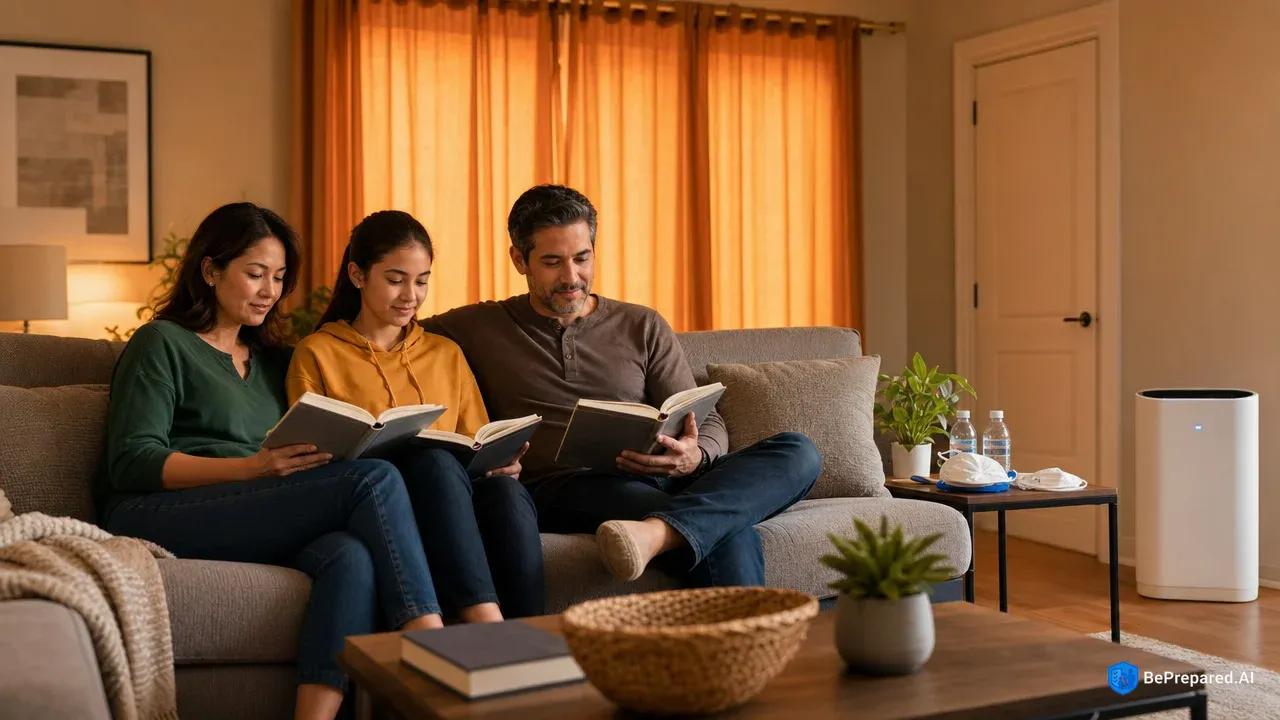
Picture this: You wake up one morning to an eerie orange glow filtering through your bedroom curtains. The air smells like a campfire, except you're nowhere near a campground. Your throat feels scratchy, and you notice yourself coughing more than usual. Welcome to wildfire season—a reality that's touching more communities every year, whether the flames are five miles away or five hundred.
Here's what catches most people off guard: wildfire smoke contains fine particles that can cause serious health problems, even when the fire itself is nowhere near your home . These microscopic particles are so tiny they slip past your body's natural defenses and penetrate deep into your lungs. Think of them as uninvited guests that are small enough to sneak through the tightest security.
The really unsettling part? You don't need to have asthma or other breathing problems to feel the effects. When smoke levels are high, even healthy people may experience symptoms such as chest discomfort, shortness of breath, coughing, and throat irritation . That marathon runner down the street and your perfectly healthy teenager are just as vulnerable when the air quality plummets. And here's something many people don't realize until it's too late: your indoor air can become just as contaminated as the hazy air outside if you don't take proper protective steps.
The good news? Protecting yourself and your family doesn't require expensive equipment or complicated procedures. With some basic knowledge and supplies you probably already have around the house, you can create a safe haven that filters out the worst of the smoke. Let's walk through exactly how to do that.
Step 1: Seal Your Home Against Smoke
When you first notice smoke in your area—whether from news reports or that telltale smell—your first line of defense is creating a barrier between the contaminated outdoor air and your indoor space. Think of your home as a ship, and you're battening down the hatches before the storm hits.
Start by closing all windows, doors, and fireplace dampers immediately . This seems obvious, but you'd be surprised how many people leave that one bathroom window cracked or forget about the damper in a fireplace they rarely use. Walk through every room in your house—yes, even the garage and basement—and make sure everything that connects to the outside world is sealed tight. Closing all windows, doors, and fireplace dampers prevents smoke from entering your home and gives you a fighting chance at maintaining decent air quality inside .
Next, turn your attention to those sneaky gaps where smoke loves to infiltrate. Run your hand along the edges of doors and windows on a normal day, and you'll probably feel little drafts. During a smoke event, those drafts become highways for contaminated air. Weather stripping around doors and windows prevents smoke infiltration during wildfire events , and installing it is easier than you might think. You can find weather stripping at any hardware store, and it typically comes with adhesive backing—just peel and stick. Focus especially on doors you use frequently and windows in rooms where your family spends the most time.
Here's something that trips people up: your home's ventilation system. That HVAC system that normally keeps you comfortable? During a smoke event, it can actually pump contaminated air throughout your house if it's pulling in outdoor air. Turn off any systems that bring in fresh air from outside, including bathroom exhaust fans and kitchen range hoods . Your home might feel a bit stuffier than usual, but that's a small price to pay for breathing cleaner air.
If you have central air conditioning, you're in luck. Use air conditioning on recirculate mode to avoid bringing smoky air inside, and change filters more frequently during smoke events . This keeps the air moving and comfortable without introducing smoke particles from outside. Check your filter every few days during heavy smoke periods—you'll probably be shocked at how quickly it gets dirty.
If sealing your entire house feels overwhelming, don't panic. You can focus your energy on creating just one well-sealed room—we'll talk more about that in the next section. The key is taking action as soon as you're aware of smoke in your area, not waiting until the air quality becomes unbearable.
Step 2: Create Your Clean Room
Now that you've sealed your home's obvious entry points, it's time to create a fortress within your fortress. Creating a clean room with as few windows and doors as possible helps maintain better air quality , giving your family a safe retreat when the smoke outside becomes thick enough to cut with a knife.
Walk through your home and evaluate each room with fresh eyes. You're looking for a space that naturally has fewer vulnerabilities—ideally, an interior room with minimal windows and just one door. Many families choose a primary bedroom or a large bathroom for this purpose. Basements can work well too, though you'll need to pay extra attention to sealing any ground-level windows or doors leading outside. The fewer openings a room has, the easier it is to maintain clean air inside.
Once you've selected your clean room, it's time to upgrade its air quality. Use high-efficiency particulate air (HEPA) filters in your air conditioning system and portable air cleaners to help remove particles from indoor air . If you have a portable air cleaner with a HEPA filter, this is its moment to shine. Portable air cleaners and DIY box fan filters can reduce particle levels indoors significantly , transforming smoky air into something far more breathable. Place the air cleaner in your chosen room and let it run continuously during smoke events. Make sure the cleaner is appropriately sized for the room—check the manufacturer's recommendations for square footage coverage.
Don't have a fancy air purifier? Join the club—most people don't keep one on hand until they need it. Here's where a little DIY ingenuity comes in handy. You can create a surprisingly effective filter using a standard box fan and a furnace filter. Purchase a high-quality furnace filter (look for a MERV 13 rating or higher) that matches the size of your box fan. Attach the filter to the intake side of the fan using duct tape, making sure the airflow arrow on the filter points toward the fan. This budget-friendly setup won't win any design awards, but it genuinely works to pull particles out of the air .
Stock your clean room with everything your family might need during extended periods indoors: water bottles, non-perishable snacks, medications, entertainment for kids, phone chargers, and a battery-powered radio for emergency updates. Think of it as creating a comfortable bubble where your family can wait out the worst air quality days. Keep the door to this room closed as much as possible, and establish a household rule that when someone enters or exits, they do so quickly to minimize air exchange with the rest of the house.
The beauty of a clean room is that it doesn't require perfection. Even a moderately well-sealed room with basic filtration will have noticeably better air quality than the rest of your home. You're not trying to create a laboratory clean room—you're simply giving your lungs a break from constant exposure to smoke particles.
- N95 Masks
- Essential respiratory protection that filters out 95% of airborne particles during smoke events
- Air Purifier
- Electric device with HEPA filter that continuously cleans indoor air of smoke and particles
- Sealing Materials
- Plastic sheeting and tape to seal gaps around doors and windows, keeping smoke outside
- Water Supply
- Clean drinking water stored in containers, as tap water may become contaminated during emergencies
- Emergency Radio
- Battery or hand-crank powered radio to receive critical updates when power and cell service fail
- DIY Box Fan Filter
- Simple homemade air cleaner using a box fan and furnace filters as backup air purification
Essential Supplies for Smoke Protection
Preparing for wildfire smoke doesn't mean emptying your bank account at a specialty outdoor store. Most of what you need is available at regular hardware stores, pharmacies, and big-box retailers. Here's what to gather before smoke season arrives:
Respiratory Protection:
- Well-fitting respirator masks (N95 or similar) for every family member—these aren't the cloth masks you might have lying around; they're specifically designed to filter out fine particles. When you absolutely must venture outside during poor air quality, a properly fitted respirator can help reduce your exposure to smoke particles. Store extras since you'll need to replace them after several uses.
- Children's-sized masks if you have kids—adult masks won't seal properly on smaller faces
Air Quality Improvement:
- A portable air cleaner with a true HEPA filter, if budget allows—consider this an investment in your family's health
- Alternatively, a box fan and several high-MERV furnace filters for DIY filtration
- Extra filters for either system, since you'll be running them continuously during smoke events
Sealing Materials:
- Weather stripping in various sizes for doors and windows
- Duct tape—the universal problem-solver for temporary sealing jobs
- Plastic sheeting if you want to create an extra barrier over windows
- Towels to stuff under door gaps in a pinch
Comfort and Safety Items:
- Extra water bottles—you'll be drinking more since you can't open windows for fresh air circulation
- Keep a battery-powered radio for air quality updates and emergency alerts when you're in your sealed clean room
- Flashlights and batteries in case power outages coincide with smoke events
- A week's worth of any prescription medications your family needs
Monitoring Tools:
- A smartphone or tablet to check local air quality index readings online
- Written notes of local emergency numbers and evacuation routes—don't rely solely on digital devices
You can find weather stripping and duct tape at any hardware store, usually in the weatherization or home repair aisle. Respirator masks are typically available at hardware stores, home improvement centers, and pharmacies—though they can sell out quickly when smoke arrives, so buy them during clear-weather months. Air purifiers are available at department stores, online retailers, and home goods stores, with prices ranging from under $100 for basic models to several hundred dollars for high-capacity units.
When to Stay Inside vs. When to Evacuate
Understanding when to shelter in place versus when to grab your go-bag and leave is one of the most critical skills for wildfire season. The decision isn't always clear-cut, but there are guidelines that can help you make the right call for your family's safety.
Start by bookmarking your local air quality monitoring website—AirNow.gov provides air quality information for communities across the United States. The Air Quality Index (AQI) uses a color-coded system that makes it easy to understand at a glance. Green and yellow mean the air is relatively safe. Orange means sensitive groups should limit outdoor activity. Red means everyone should reduce prolonged outdoor exertion. Purple and maroon are the danger zones where even indoor air quality becomes difficult to maintain.
Generally speaking, when the AQI is in the red or orange range but not yet hazardous, staying indoors in your sealed clean room is your best strategy. You're safer inside with your filtration system running than you would be driving through smoke-choked roads. However—and this is crucial—when local authorities issue evacuation orders or warnings for your area, you need to take them seriously. Evacuation orders typically mean the fire itself poses a direct threat, and smoke inhalation becomes the least of your worries.
Have your evacuation go-bag ready and accessible at all times during fire season. Inside it, include respirator masks for everyone, copies of essential documents (insurance papers, identification, medical records), medications, phone chargers, and a change of clothes. Keep it by your front door or in your car so you can leave within minutes if needed.
After smoke clears, watch the AQI readings before resuming normal activities. Don't expect the AQI to drop from hazardous to good overnight—it's a gradual process. When readings return to the yellow or green range for at least 24 hours, you can cautiously begin opening windows and returning to regular routines. Start slowly by opening just one or two windows and see how the indoor air quality feels before fully ventilating your home.
Maintaining Your Family's Health During Smoke Events
Living in a sealed home with smoky air outside requires some lifestyle adjustments, especially if the situation lasts for days or even weeks. The goal is protecting your family's physical and mental health while waiting for air quality to improve.
Physical activity is the first thing to modify. When you exercise, you breathe harder and faster, which means you take in more air—and more smoke particles along with it. That might mean postponing your usual jog, skipping the kids' soccer practice, and finding gentler ways to stay active. Yoga, stretching, and calm indoor games become your friends during smoke season. If your kids are bouncing off the walls with pent-up energy, try activities that engage their minds rather than their cardiovascular systems—puzzles, building projects, art activities, or video games can all help pass the time without increasing their breathing rate.
Hydration becomes even more important when you're sealed inside. Drinking plenty of water helps your body cope with the stress of breathing less-than-ideal air, and it can soothe irritated throats and airways. Encourage everyone in your family to drink water regularly throughout the day, even if they don't feel particularly thirsty. Some families find it helpful to set hourly reminders or make it a game for kids—whoever drinks the most water wins a small prize.
Pay special attention to your most vulnerable family members. Children and elderly people are more susceptible to health effects from wildfire smoke , as are people with existing respiratory or heart conditions. Watch for warning signs like persistent coughing, difficulty breathing, chest pain, or unusual fatigue. In children, look for increased whining or fussiness, loss of appetite, or complaints about their chest or throat hurting. Don't hesitate to call your doctor if symptoms concern you, and seek emergency care immediately if someone has severe difficulty breathing, chest pain, or shows signs of a heart attack or stroke.
The mental health aspect of being cooped up indoors deserves attention too. Establish routines that provide structure to your days—regular meal times, designated activity periods, and consistent sleep schedules help everyone cope better. Plan activities that don't require going outside but still feel engaging: family movie marathons, board game tournaments, cooking projects, virtual hangouts with friends, or finally tackling that craft project that's been sitting in the closet. The key is acknowledging that this situation is temporary while making the best of it in the meantime.
Keep communication open with your family about how everyone is feeling, both physically and emotionally. Younger children might not understand why they can't go outside to play, so explain it in age-appropriate terms—the air has invisible bits in it that can make our lungs feel yucky, so we're staying inside where our special clean room keeps the air nice for breathing. Teenagers might feel frustrated about missing social activities, and validating those feelings while emphasizing safety helps them cope better.
Taking Your First Steps Today
Wildfire smoke season doesn't have to mean helplessly watching the sky turn orange while your family struggles to breathe. With some preparation, basic supplies, and knowledge of how to create a clean room, you can maintain a safe indoor environment even when the outdoor air quality plummets. The strategies we've covered—sealing your home, establishing a clean room with filtration, gathering essential supplies, knowing when to evacuate, and maintaining your family's health during smoke events—form a comprehensive approach to wildfire smoke protection that any family can implement.
Start building your wildfire smoke protection plan today by identifying which room in your home would make the best clean room and gathering basic sealing supplies. Walk through your house this weekend, evaluate your options, and make a shopping list of the supplies you don't already have. Pick up weather stripping, a box fan, and a high-MERV filter on your next trip to the hardware store. Download an air quality monitoring app on your phone. These simple first steps take less than an hour but give you a solid foundation for protecting your family.
Your future self—the one breathing comfortably in a sealed clean room while smoke swirls outside—will thank you for taking action now instead of scrambling when the air quality alert appears on your phone. You don't need to do everything at once. Start with one room, one supply run, one conversation with your family about the plan. That's how preparedness works: one manageable step at a time, building confidence and capability as you go.