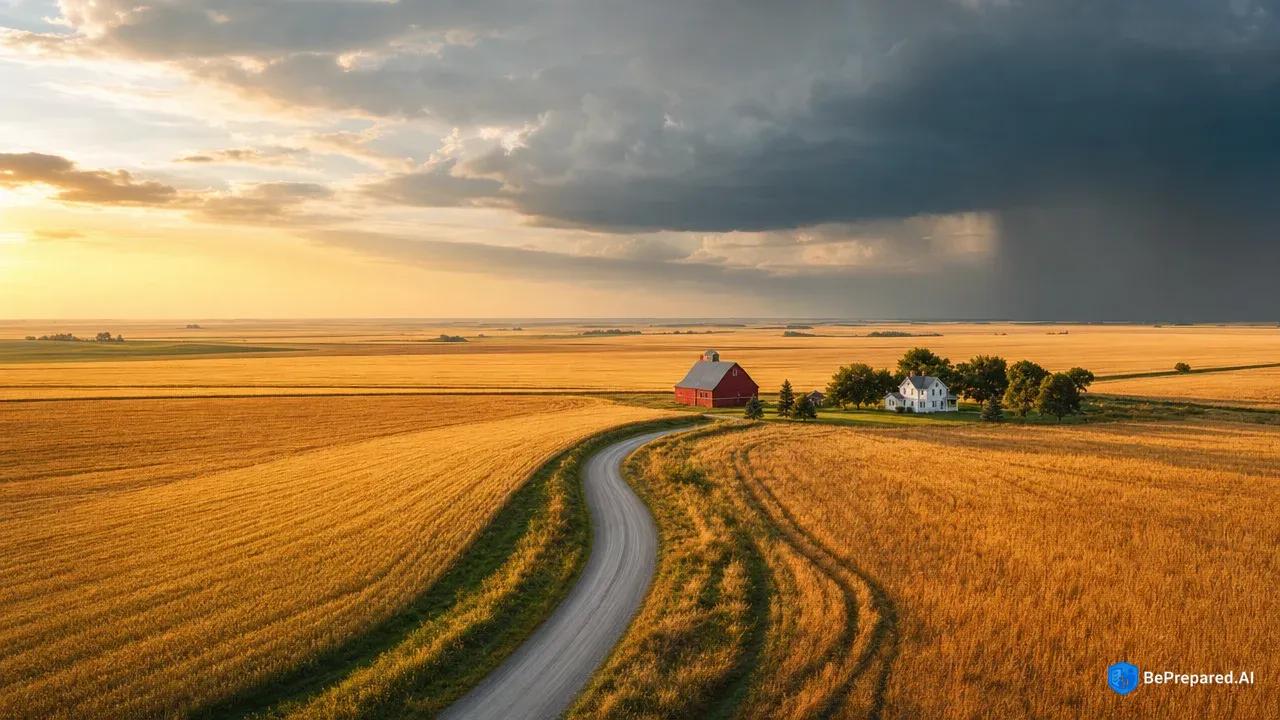
Understanding Tornado Alley: Where Nature Shows Its Power
Picture yourself standing in the middle of Kansas on a humid spring afternoon. The sky takes on an eerie greenish tint, the air feels thick and electric, and in the distance, a dark funnel begins to descend from towering clouds. This scene plays out somewhere in America's heartland with alarming regularity. Understanding why this happens can help you prepare for one of nature's most powerful phenomena.
Tornado Alley isn't a place you'll find on official maps, but meteorologists and residents alike know exactly what it means. Tornado Alley stretches across the central United States, encompassing parts of Texas, Oklahoma, Kansas, Nebraska, and South Dakota . What makes this area so notable is the unique collision of geography and weather patterns that creates a perfect storm factory.
The Great Plains offer tornadoes exactly what they need: flat terrain that allows different air masses to collide without interference from mountains or hills. Warm, moist air surges northward from the Gulf of Mexico while cool, dry air rushes down from Canada. These opposing forces meet over the plains with explosive results . Add in a jet stream that provides the necessary wind shear, and you've got the recipe for the most tornado-prone region on Earth.
Understanding where tornadoes strike most frequently isn't just about satisfying curiosity. It's about making informed decisions about where you live, how you prepare, and what level of readiness makes sense for your family. Whether you're considering a move to the Midwest or already call Tornado Alley home, knowing your risk level is the first step toward effective preparation. The good news? Preparation doesn't have to be overwhelming or expensive.
- Texas - Highest Risk
- Average 155 tornadoes per year - Most tornado activity in the US due to large size and geography
- Kansas - Very High Risk
- Average 96 tornadoes per year - Located in prime 'Tornado Alley' corridor
- Oklahoma - Very High Risk
- Average 62 tornadoes per year - Heart of Tornado Alley with frequent severe storms
- Nebraska - High Risk
- Average 57 tornadoes per year - Northern edge of primary tornado zone
- Peak Season: April-June
- Most tornadoes occur during late spring when warm, moist air meets cool, dry air masses
The Top 5 States for Tornado Activity: Know Your Numbers
When it comes to tornado frequency, some states stand head and shoulders above the rest. These numbers tell a story of risk, but they also reveal important patterns that can guide your preparation efforts. Let's break down what you need to know.
Texas: The Undisputed Champion
Everything's bigger in Texas, including tornado counts. Texas experiences an average of 155 tornadoes per year , far outpacing any other state. Texas's massive size plays a role here—with more land area, there's simply more space for tornadoes to touch down. The state's northern regions, particularly the Panhandle, see the most activity during spring months when conditions align perfectly for severe weather.
Dallas, Fort Worth, and the surrounding areas have witnessed some of the most destructive tornadoes in recent history. This proves that even urban areas aren't immune. If you live in Texas, you're sharing space with more tornadoes than residents of any other state. That doesn't mean you should panic—it means you should prepare.
Kansas: The Tornado Alley Poster Child
Kansas averages 96 tornadoes annually , and its position smack in the middle of Tornado Alley means residents take severe weather seriously. The state's flat landscape offers no natural barriers to slow down or disrupt tornado formation. From Dodge City to Topeka, Kansans have learned to watch the skies during spring and early summer.
The state has experienced some of the most photographed tornadoes in history. This happens partly because the flat terrain allows storm chasers and meteorologists to observe developing storms from miles away. For residents, this same visibility can provide extra warning time when storms approach.
Oklahoma: Small State, Big Impact
Don't let Oklahoma's smaller size fool you—this state packs a serious tornado punch. Oklahoma averages 62 tornadoes per year , and holds a particularly sobering distinction: Oklahoma has the highest concentration of F4 and F5 tornadoes per square mile . These are the most violent tornadoes on the scale, capable of leveling entire neighborhoods.
Peak tornado season in Oklahoma runs from April through June, with May being the most active month . The devastating Moore tornadoes serve as stark reminders of what Oklahoma faces each spring. If you live here, understanding your shelter options isn't optional—it's essential.
Nebraska: The Northern Front
Nebraska's 57 annual tornadoes demonstrate that Tornado Alley extends well into the northern plains. The state's tornado season peaks slightly later than its southern neighbors. Nebraska's rural character means many tornadoes touch down in farmland, but cities like Omaha and Lincoln remain vigilant during severe weather season.
Living in Nebraska means you might have a bit more time to prepare each spring compared to states farther south. Use that time wisely to review your family's tornado plan and check your emergency supplies.
Illinois: The Eastern Edge
Rounding out the top five, Illinois averages 54 tornadoes per year . This might surprise people who don't think of Illinois as tornado country. The state's position at the eastern edge of Tornado Alley puts it squarely in harm's way. Historical tornado events in Illinois have been among the deadliest on record, reminding us that tornado risk extends well beyond the central plains.
Chicago and other urban areas in Illinois face the same risks as rural regions. Buildings and infrastructure don't stop tornadoes—they just change how we prepare for them.
Beyond the Big Five: Other States to Watch
While the top five states grab headlines and dominate tornado statistics, they don't tell the complete story. Several other states experience significant tornado activity. In some cases, these "secondary" tornado states face unique challenges that make their risk profiles particularly concerning.
Iowa averaging around 48 tornadoes annually and Missouri close behind show that tornado risk extends beyond traditional Tornado Alley boundaries. These states sit just east of the core region, experiencing many of the same atmospheric conditions. Missouri's position means it gets hit by both spring systems moving northeast from Texas and Oklahoma, as well as summer storms developing along frontal boundaries.
Arkansas and Alabama represent what meteorologists increasingly call "Dixie Alley." Mississippi and Alabama have seen increased tornado activity, leading to the identification of "Dixie Alley" as a secondary tornado-prone region . These states face a particularly dangerous combination: frequent tornadoes that often strike at night, heavy vegetation that obscures approaching storms, and hilly terrain that makes spotting tornadoes difficult.
Tennessee, Arkansas, and northern Mississippi experience a secondary peak in tornado activity during fall and winter months . This extended risk period means residents in these areas need to maintain vigilance for more months out of the year. You can't just relax after spring passes—you need to stay weather-aware through multiple seasons.
The intensity versus frequency equation matters too. Some states might have fewer total tornadoes but experience more violent storms. Understanding this distinction helps you recognize that raw numbers don't tell the whole story about tornado risk. A state with 30 violent tornadoes poses different challenges than a state with 60 weak ones.
What These Numbers Mean for You: Assessing Your Personal Risk
State-level statistics provide a useful overview, but your actual tornado risk depends on much more specific factors. Think of state data as the big picture—now you need to zoom in on your particular location and circumstances. Let's break this down into manageable steps.
Step 1: Research Your County's Tornado History
Start by investigating your specific county's tornado track record. The NOAA Storm Events Database allows you to search tornado touchdowns by county going back decades. Look for patterns in frequency, typical paths, and intensity. Some counties within high-risk states see tornadoes regularly, while neighboring counties might go years between events.
Your county emergency management office can also provide localized risk assessments and historical data. These folks know your area better than anyone. A quick phone call or website visit can give you information that's far more relevant than statewide averages.
Step 2: Understand Local Geography
Geography creates microclimates and risk variations even within small areas. If you live near a river valley, you might face different conditions than someone on higher ground just a few miles away. While the old myth that tornadoes won't cross rivers or strike cities has been thoroughly debunked, local terrain can influence how storms develop and move.
Talk to longtime residents and local weather experts about patterns they've observed. Your neighbors who've lived through multiple tornado seasons have valuable knowledge. They can tell you which areas tend to see more activity and what warning signs they watch for.
Step 3: Consider Population Density and Warning Systems
Your risk isn't just about whether a tornado will form. It's also about whether you'll receive adequate warning and have access to shelter. Urban and suburban areas typically have better warning systems, more storm sirens, and more substantial buildings for shelter.
Rural residents might have longer warning times due to open terrain allowing earlier storm spotting. However, they may also be farther from emergency services and have fewer public shelter options. Understanding your specific situation helps you plan accordingly.
Step 4: Evaluate Your Specific Vulnerability
Your housing situation dramatically affects your tornado risk. A well-built home with a basement in suburban Kansas offers much better protection than a mobile home in the same location. Both face the same atmospheric risk, but the outcomes can be vastly different. Mobile home residents face significantly higher risk of tornado-related injury and death compared to those in permanent structures.
If you live in a mobile home in a tornado-prone area, identifying alternative shelter locations becomes absolutely critical. This isn't meant to scare you—it's meant to empower you to take action that could save your life.
Step 5: Look at Historical Tornado Paths
While tornadoes don't follow predictable paths in the way hurricanes do, examining historical tracks in your area can reveal patterns. Some regions see tornadoes moving consistently from southwest to northeast, following prevailing storm systems. Understanding typical paths helps you think about shelter locations and escape routes.
Remember that every tornado is unique. Historical patterns inform but don't guarantee future behavior. Use this information as one piece of your overall risk assessment, not as a crystal ball.
- Tier 1: Basic Awareness (Green)
- Know your area's tornado risk, identify sturdy interior rooms on lowest floor, and sign up for weather alerts on your phone
- Tier 2: Active Preparation (Yellow)
- Create family emergency plan, assemble basic tornado kit with flashlight and first aid, and practice tornado drills
- Essential Supplies Checklist
- Battery radio, water bottles, sturdy shoes, helmets or protective gear, and important documents in waterproof container
- Warning Signs to Know
- Dark greenish sky, large hail, loud roar like freight train, and visible rotation in storm clouds
- Safe Shelter Locations
- Interior bathroom or closet on lowest floor, away from windows, under sturdy furniture if possible
Getting Prepared: Your Next Steps Based on Risk Level
Now that you understand your risk level, it's time to translate that knowledge into action. Preparation doesn't mean living in fear—it means taking sensible steps that let you face tornado season with confidence rather than anxiety. Let's start simple and build from there.
For Everyone, Regardless of Location:
Every household should have a basic tornado plan, even if you live in a lower-risk area. Tornadoes have touched down in all 50 states , and being caught unprepared during a rare event can be just as dangerous as facing a common one without preparation. Your basic plan should include these straightforward elements:
Identify the safest room in your home—typically a small interior room on the lowest floor . The lowest level of your building, in an interior room away from windows , provides the best protection. Bathrooms, closets, and hallways work well because interior walls provide more protection than exterior ones. Pick your spot now, before you need it.
Establish family communication protocols so everyone knows how to reach each other if a tornado strikes during work or school hours. Designate an out-of-state contact person everyone can check in with. Cell towers near the tornado might be down, but someone three states away can relay messages between family members.
Assemble a basic emergency kit with water, non-perishable food, first aid supplies, and essential medications. Keep a battery-powered weather radio and flashlights in your tornado safe room . These items should be easily accessible in your shelter area, not buried in a garage or attic.
Practice your plan at least twice a year so everyone knows exactly what to do when warnings sound. Make it a family activity—time how long it takes everyone to get to the safe room. Kids especially benefit from practicing, as it reduces fear and builds confidence.
For Moderate-Risk Areas (States Averaging 20-50 Tornadoes Annually):
If you live in a state that sees regular but not constant tornado activity, step up your preparation with these additions. You're building on your basic plan, not starting over.
Invest in multiple warning systems so you're never caught off guard. A NOAA Weather Radio with battery backup should be your foundation, but supplement it with smartphone weather apps that can alert you even when you're away from home . Redundancy saves lives—if one system fails, you have backups.
Strengthen your shelter area by adding extra bracing to your safe room if possible. Keep sleeping bags or mattresses nearby to cover yourself for additional protection. Store sturdy shoes in your shelter space because debris fields after tornadoes are treacherous. You don't want to navigate broken glass and nails in bare feet.
Develop a workplace and school plan so you know where to shelter at every location your family frequents. Schools and workplaces should have their own plans, but you need to know what those plans are. Ask questions. Visit the designated shelter areas. Make sure your kids know where to go at school.
Keep important documents protected in a waterproof container in your shelter area. Insurance policies, identification, medical records, and other critical papers should be easy to grab. After a tornado, having these documents readily available speeds up recovery significantly.
For High-Risk Areas (Top 10 Tornado States):
Living in Tornado Alley or Dixie Alley means tornado preparedness should be as routine as locking your doors at night. You're not being paranoid—you're being smart. Consider these more comprehensive measures that match your higher risk level.
Build or install a safe room if you own your home. A properly constructed safe room or storm shelter provides near-absolute protection from even the most violent tornadoes. FEMA provides design specifications and may offer grant programs to help with costs . Yes, it's an investment, but it's one that could save your family's lives.
If you live in a mobile home, establish your evacuation plan right now. Identify a nearby community shelter, a friend or family member's home with a basement, or a sturdy public building where you can take shelter. When watches are issued, don't wait for a warning—go to your safe location early. Those extra minutes matter more than the inconvenience.
Participate in community storm spotting programs if they're available in your area. Many communities in high-risk areas train volunteer storm spotters who provide ground-truth reports to the National Weather Service. This training helps you understand storm development and keeps your community safer. You'll learn to read the sky in ways you never imagined.
Review and update your insurance coverage to make sure you understand what your homeowner's or renter's insurance covers regarding tornado damage. Consider additional coverage if needed. The time to discover gaps in your coverage is before the tornado, not after.
Staying Informed: Resources for Ongoing Tornado Awareness
Having a plan means nothing if you don't know when to activate it. Staying informed about current conditions and understanding the warning system can mean the difference between having enough time to take shelter and being caught off guard. Let's look at the tools that keep you connected to critical weather information.
NOAA Weather Radio remains the gold standard for weather warnings . These specialized radios receive continuous broadcasts from the National Weather Service and emit loud alert tones when watches or warnings are issued for your specific county. Modern weather radios include battery backup, ensuring you'll receive warnings even during power outages that often accompany severe storms.
Program your radio with your county's specific code so you're only alerted to warnings affecting your area. You don't need to wake up at 2 AM for a warning three counties away. This customization keeps you informed without creating alert fatigue.
Your local National Weather Service office provides region-specific forecasts and warnings tailored to your area's unique geography and weather patterns . Follow your local NWS office on social media for detailed severe weather outlooks during active periods. Meteorologists at these offices understand local conditions intimately and can provide context that national forecasts might miss.
Weather apps offer convenience and mobility, but treat them as supplements rather than primary warning sources. Apps from various weather services can push notifications to your phone when warnings are issued. However, apps depend on cell service and internet connectivity, which often fail during severe weather. Always back up app-based alerts with a weather radio or other independent warning system .
Your county or city emergency management agency likely offers alert systems specifically for local hazards. Many communities provide text message or email alerts for severe weather, and these often include specific instructions about shelter locations and emergency procedures. Register your phone number with your local system—it's usually free and takes just a few minutes.
Understanding the difference between watches and warnings is crucial. A tornado watch means conditions are favorable for tornado development—stay alert and be ready to take action. A tornado warning means a tornado has been spotted or detected on radar and you should take shelter immediately. Don't wait to see the tornado yourself. By the time it's visible, you may not have time to reach safety.
During severe weather season, make checking the morning forecast part of your routine. If severe weather is possible later in the day, you can mentally prepare, ensure your phone is charged, and check that your weather radio is working. You might adjust your plans to stay closer to home or good shelter options. This simple habit puts you ahead of the game.
The Storm Prediction Center issues outlooks days in advance when significant severe weather is possible. Checking these outlooks helps you plan your week around potential tornado threats. You're not changing your life—you're just staying aware and ready.
Taking Control of Your Tornado Preparedness
You now have the knowledge to assess your tornado risk and take meaningful action. The statistics and state rankings aren't meant to frighten you—they're tools to help you make informed decisions. Whether you live in the heart of Tornado Alley or in a state that sees occasional tornado activity, you can prepare effectively without breaking the bank or living in constant worry.
Start with the basics that apply to everyone: identify your safe room, assemble a simple emergency kit, and establish family communication plans. These foundational steps cost little but provide enormous peace of mind. Then build up from there based on your specific risk level and circumstances.
Remember that preparation is a process, not a one-time event. You don't need to do everything at once. Pick one action from this guide and complete it this week. Next week, tackle another. Before you know it, you'll have a comprehensive tornado preparedness plan that fits your family's needs and your budget.
The most dangerous thing you can do is nothing. The second most dangerous thing is to let preparation overwhelm you into inaction. Choose the middle path: steady, manageable progress toward real readiness. Your future self—and your family—will thank you for taking these steps today.
Ready to create your tornado safety plan? Learn about building a safe room and developing family emergency procedures in our tornado preparedness guide. You've got this.