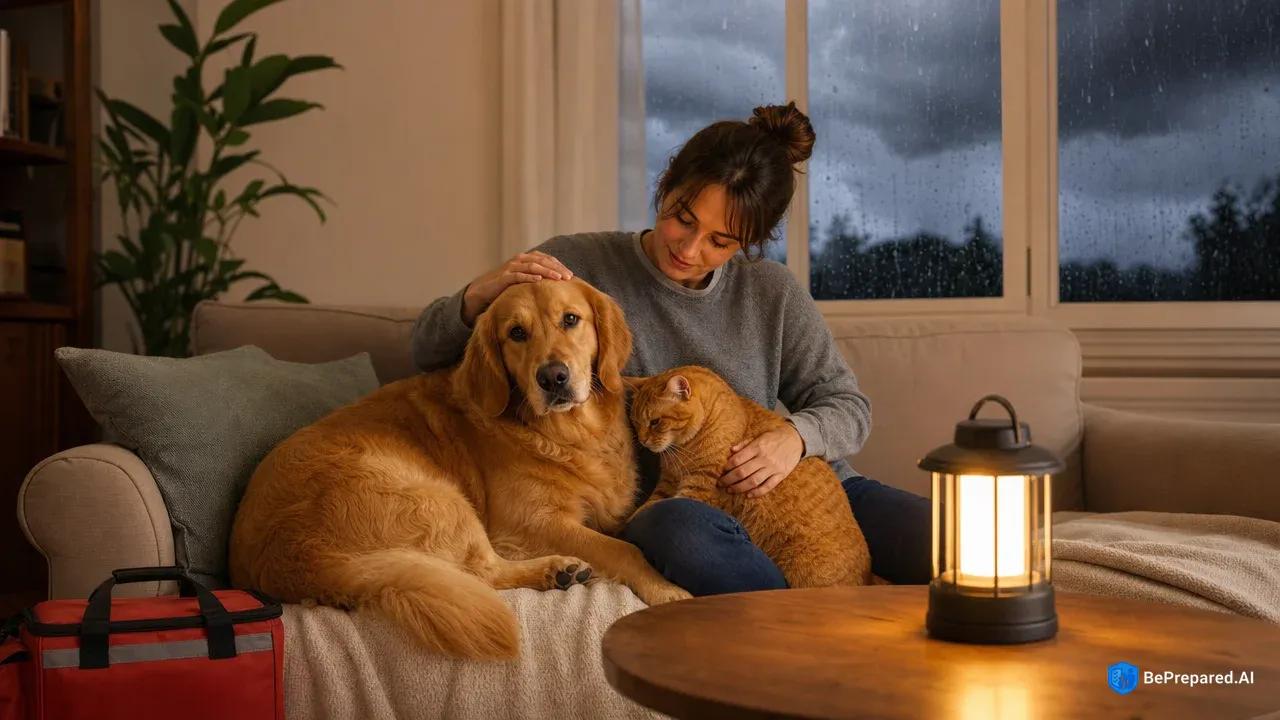
When the Sky Turns Dark: Understanding Your Pet's Fear
The afternoon sky takes on that eerie greenish tint, and suddenly your normally confident golden retriever is trembling under the kitchen table, refusing to come out. Your independent cat who usually ignores you is now clinging to your leg, meowing frantically. These aren't signs of weakness or bad behavior—your pets are experiencing genuine, visceral fear as their sensitive systems detect the atmospheric changes that signal an approaching tornado.
Understanding that your pet's terror during severe weather is completely real and valid is the first step toward helping them through it. Dogs and cats have more acute senses than we do, detecting barometric pressure changes, electrical shifts in the air, and low-frequency sounds that we can't perceive . When a tornado system approaches, they're not just reacting to what they can see—they're responding to a whole symphony of sensory information telling them danger is near. This isn't something they can rationalize away or "get over."
During disasters, pets can become frightened and disoriented, leading to behaviors that might seem out of character . A normally gentle dog might snap when you try to move them. A friendly cat might scratch or hide in an inaccessible spot. These reactions stem from pure survival instinct, not malice. Stressed animals may bite or scratch even their owners , so approaching frightened pets requires extra care and awareness.
The good news? Your calm, reassuring presence is the most powerful tool you have for helping your pet through these terrifying moments. Pets look to us as their pack leaders, their source of safety in an uncertain world. When you remain steady and confident—even if you're worried inside—you signal to your pet that while the situation is serious, it's manageable. This foundation of trust and your composed demeanor will guide everything else you do to help your furry family member weather the storm.
- Dogs: Panting & Pacing
- Heavy breathing when not hot, restless walking back and forth, inability to settle in one spot
- Dogs: Hiding & Trembling
- Seeking small spaces like under beds, visible shaking or muscle tension, cowering posture
- Dogs: Destructive Behavior
- Chewing furniture, scratching doors/walls, digging at carpets or attempting to escape
- Cats: Excessive Vocalization
- Loud meowing, yowling, or crying more than usual, especially during thunder or lightning
- Cats: Hiding & Freezing
- Disappearing to closets or under furniture, remaining completely motionless for long periods
- Both: Loss of Appetite & Accidents
- Refusing food or treats, house-trained pets having indoor accidents due to fear and stress
Reading the Signs: How to Know When Your Pet is Stressed
Recognizing stress signals early means you can intervene before your pet's anxiety escalates into panic. Different animals express fear in different ways, but certain patterns appear consistently across species.
Physical stress indicators include:
- Heavy panting or drooling, even when the temperature is comfortable
- Visible trembling or shaking throughout the body
- Dilated pupils and wide, "whale eye" appearance (showing whites of eyes)
- Loss of bladder or bowel control in house-trained pets
- Excessive shedding or sweating through paw pads
Behavioral changes to watch for:
- Hiding in closets, under furniture, or in bathtubs
- Excessive vocalization—barking, whining, howling, or meowing
- Destructive behavior like scratching doors, chewing furniture, or digging
- Pacing, inability to settle down, or constant position changes
- Attempting to escape or run away
Subtle signs that are easy to miss:
- Refusing food or treats they'd normally love
- Turning away from you or avoiding eye contact
- Yawning, lip licking, or other displacement behaviors
- Seeking unusual amounts of attention or becoming "velcro pets"
- Ears pinned back, tail tucked, or hunched body posture
Cats often show stress differently than dogs. While a frightened dog might pace and pant, a terrified cat may become completely still and silent, hiding in the darkest corner they can find. Small animals like rabbits or birds might freeze, thump, or flutter frantically in their enclosures.
One critical safety note: pets can become frightened and disoriented during disasters, and stressed animals may bite or scratch even their most trusted humans . Approach your anxious pet slowly, speak softly, and avoid sudden movements or grabbing. If your pet is showing aggressive signals—bared teeth, raised hackles, hissing, or growling—give them space and use a towel or blanket for safe handling if you must move them quickly.
Learning to read these signals takes practice, but you'll get better at it over time. Start watching your pet during calm moments to understand their normal body language. That way, you'll notice changes more quickly when stress begins to build. The earlier you spot these signs, the more options you have for helping your pet feel safe again.
Creating Your Pet's Safe Space Before the Storm Hits
The middle of a tornado warning, with sirens blaring and your adrenaline pumping, is not the time to figure out where you and your pets will shelter. Setting up a designated safe space before severe weather season begins transforms a chaotic emergency into a manageable situation. This preparation doesn't have to be complicated or expensive—you're simply choosing a spot and making it familiar.
Step 1: Choose the right location. Your pet's safe space must be in an interior room away from windows—ideally a basement, bathroom, or interior closet . This is non-negotiable for tornado safety. The same room where you'll shelter is ideal, since your presence provides comfort and you can monitor your pet throughout the warning period. If you have a basement, this offers the best protection. For homes without basements, a first-floor bathroom or closet in the center of your home works well.
Step 2: Make it comfortable and familiar. Once you've identified the location, gradually introduce your pet to this space during calm weather. Place their favorite blanket or bed there, along with a beloved toy or two. If your pet finds their carrier comforting (many cats do, once properly introduced), keep it in this space with the door open so they can explore it voluntarily. The goal is creating positive associations with this room long before you need to use it in an emergency.
Step 3: Stock the space with essentials. Keep leashes and carriers easily accessible near your safe room so you can quickly secure pets during tornado warnings . Add a small container with immediate-access supplies: a few treats, an extra leash and collar, a small water bowl, and any medications your pet takes regularly. During tornado season, consider keeping a portable radio and flashlight there too. If you have multiple pets, ensure the space is large enough to accommodate everyone without crowding, which can increase stress.
Step 4: Practice makes perfect. Practice your disaster plan with your pets regularly so they become familiar with carriers and safe rooms . During calm weather, spend time in this space with your pet. Read a book there, scroll through your phone, or simply sit quietly while your pet explores. Offer treats and gentle praise. These practice sessions—even just five or ten minutes once a week—help your pet see this space as safe and normal rather than a scary place they only visit during emergencies.
Step 5: Consider special needs. If you have a large dog and a small safe room, think through the logistics now. If your cat tends to hide under beds when scared, block off that escape route in advance or have a plan for coaxing them out quickly. For pets with mobility issues, ensure the safe space is easily accessible without stairs if possible.
Setting up this safe space might feel like just another task on your to-do list, but it's one of those simple preparations that makes a huge difference when you actually need it. You'll feel more confident knowing exactly where you're going, and your pet will already know that space as somewhere comfortable rather than frightening.
Calming Techniques That Actually Work
Sarah had tried everything during thunderstorms—playing music, using essential oils, even buying an expensive anxiety vest—but nothing seemed to help her border collie, Max, until her veterinarian shared a simple truth: "The most effective calming tool you have is you."
Your own emotional state during severe weather directly influences your pet's anxiety level. Dogs and cats are remarkably perceptive, reading our facial expressions, body language, and even the chemical signals we release when stressed. When you remain calm, move deliberately rather than frantically, and speak in a normal or slightly softer tone, you communicate to your pet that while you're taking the situation seriously, it's under control. This doesn't mean suppressing all emotion—pets can sense inauthenticity too—but rather channeling your concern into focused, confident action.
Physical comfort techniques work remarkably well for many pets. Gentle, firm pressure can reduce anxiety by providing a sense of security . Long, slow strokes along your pet's body often help them relax. For dogs, try gentle massage on the ears or chest. For cats, slow blinks and soft talking often work better than direct handling if they're already frightened. Some pets respond well to compression garments like a Thundershirt, which provides that constant, gentle pressure that can be so reassuring.
Distraction can be surprisingly effective, especially in the early stages of anxiety before full panic sets in. High-value treats—something special they don't get every day—can redirect their focus. A puzzle toy stuffed with peanut butter or a favorite interactive game might engage their mind. Some pets respond well to being given a "job" during stressful times, like practicing simple commands they know well, which gives them something to focus on besides their fear.
Maintain your pet's routine as much as possible during and after disasters to reduce stress and anxiety . If you usually feed your pet at 6 PM, try to keep that schedule even during severe weather. If your dog expects a bedtime treat, provide it. These small consistencies signal that life continues normally despite the unusual circumstances. However, avoid punishing fearful behavior—cowering, whining, or hiding are genuine fear responses that harsh reactions will only make worse.
White noise machines or calming music can help mask the sound of thunder and high winds that frighten pets . A television at normal volume, a running fan, or even a bathroom exhaust fan can muffle storm sounds. Others prefer quiet. Pay attention to what your individual pet responds to best. Pheromone sprays and diffusers can help reduce pet anxiety during severe weather events , providing an additional layer of comfort through familiar, calming scents.
Remember: what works for one animal might not work for another, even in the same household. Your golden retriever might love being held during storms while your terrier prefers hiding in their crate with a blanket draped over it. Honor these individual preferences when you can. The key is offering options and watching what helps your specific pet feel safer.
When Tornado Warnings Sound: Moving Fast But Staying Calm
The tornado siren begins its distinctive wail, and your phone erupts with emergency alerts. This is the moment when preparation meets action, and every second counts. Oklahoma experiences more tornadoes per square mile than any other state , making this scenario all too real for millions of pet owners. The golden rule: move pets to your tornado safe room immediately when a warning is issued—do not wait for them to calm down first .
Step 1: Grab leashes and carriers immediately. The moment you hear a tornado warning, not a watch, secure your pets with whatever containment method works fastest. For dogs, snap on a leash even if you're staying indoors—a frightened dog can bolt through a door in the chaos, and you need control. For cats and small animals, a carrier is essential. If your cat is already hiding and won't come out, use a towel to gently but firmly wrap them and transport them quickly. This isn't the time for coaxing—speed matters more than comfort in these critical minutes.
Step 2: Move everyone to the safe room now. Don't make multiple trips to gather supplies if it means leaving your pet unattended or delaying your own safety. If you can grab your pre-packed pet emergency kit on the way, excellent. If not, you and your pet getting to safety is what matters. Bring your phone for updates and communication. Once in the safe room, close the door to prevent pets from bolting if they panic.
Step 3: Secure pets inside the safe space. Keep pets indoors and stay with them during severe weather to provide comfort and prevent them from running away . Once everyone is in the safe room, keep dogs leashed and cats in carriers or, if you have a very small room, allow them out but ensure all exits are blocked. During the tornado itself, you may need to protect your pet physically—shelter them with your body if your safe room is a bathtub, or hold their carrier securely if you're in a closet. This direct physical protection is why staying with your pets during the warning is so critical.
Step 4: Have a backup plan for hiding pets. What if your cat has disappeared into an impossible-to-reach space and the tornado is imminent? Make the difficult but necessary decision to get yourself to safety. Leave the door to your safe room open if possible, and call for your pet, but don't risk your life trying to extract a terrified animal from a hiding spot. Many pets who seem "lost" during disasters are actually hiding in the home and emerge once danger passes .
Step 5: Stay sheltered until the all-clear. Don't emerge from your safe room the moment the wind dies down. Wait for official all-clear notifications. Tornadoes can have multiple vortices, and the danger period may not be over. Keep your pet contained and calm during this waiting period—your presence and steady demeanor continue to provide essential reassurance.
The first time you go through this process, it might feel rushed and chaotic. That's normal. Each time you practice during calm weather, and each time you successfully shelter together during an actual warning, you'll both get better at it. Your pet will learn the routine, and you'll move more confidently through the steps.
After the Storm: Helping Your Pet Recover
When the tornado warning expires and you cautiously emerge from your safe room, your immediate instinct might be to let your pets out to relieve themselves or explore. Resist this urge. The post-tornado environment is treacherous, filled with downed power lines, sharp debris, broken glass, and unstable structures . Keep pets contained—on leash or in carriers—until you've assessed the immediate area for safety.
Pets can become disoriented during disasters and may run away, even from familiar surroundings . A dog who normally stays in an unfenced yard might bolt. A cat who never tries to escape might slip out and disappear. The sensory overload of post-tornado chaos—strange smells, unfamiliar sounds, altered landscapes—can trigger flight instincts. This is why keeping pets secured during the initial assessment period is critical.
Watch for delayed stress reactions over the following hours and days. Some pets seem fine immediately after an event but develop anxiety symptoms later—loss of appetite, digestive issues, changes in sleep patterns, or increased clinginess. Others might show heightened sensitivity to weather changes for weeks or months afterward, reacting fearfully to normal thunderstorms they previously tolerated. These reactions are normal and usually improve with time and patience.
Check your pet thoroughly for injuries, even if they stayed in the safe room with you. Stress can cause pets to hide pain, and small cuts or bruises might not be immediately obvious. Look for limping, sensitivity when touched, or changes in behavior that might indicate discomfort. If you notice anything concerning, contact your veterinarian. Remember that stressed animals may bite or scratch even their owners , so approach carefully when conducting these checks.
Restoring normal routines as quickly as possible helps pets recover emotionally. If your home is damaged and you need to relocate temporarily, try to maintain regular feeding times, walks, and play sessions. Bring familiar items—their bed, favorite toys, regular food—to wherever you're staying. These touchstones of normalcy provide comfort and security during an otherwise disorienting time.
Be patient with regression in training or behavior. A house-trained dog might have accidents. A normally independent cat might become demanding of attention. These are temporary responses to trauma, not permanent changes. Your pet isn't being difficult—they're processing a frightening experience in the only way they know how. Gentle consistency and patience will help them return to their normal selves.
- First Aid Supplies
- Bandages, gauze, antiseptic wipes, and pet-safe wound care items for treating minor injuries
- 3-Day Food & Water Supply
- Sealed pet food, treats, and bottled water (1 gallon per pet per day) with portable bowls
- Essential Medications
- Current prescriptions, flea/tick prevention, and any regular supplements your pet needs
- Comfort & Safety Items
- Leash, collar with ID tags, blanket, favorite toy, and carrier or crate for transport
- Emergency Tools
- Flashlight, batteries, emergency contact list, cash, and basic grooming supplies
Building Your Pet Emergency Kit: The Basics
A well-stocked pet emergency kit isn't complicated or expensive, but having one ready makes everything easier when warnings are issued. Store your kit in or near your designated safe room so you can grab it quickly if time allows. You don't need to assemble everything at once—start with the basics and add items as you can.
Essential supplies for your pet emergency kit:
-
Food and water: A several-day supply of your pet's regular food stored in airtight containers helps ensure you have what you need if stores are closed or roads are impassable. Include a manual can opener if you use canned food. Don't forget bowls.
-
Medications and records: Full supply of any medications your pet takes regularly, plus copies of vaccination records, medical history, and your veterinarian's contact information in a waterproof bag. If your pet needs daily medication, having extra on hand means you won't run out during an emergency.
-
Identification and containment: Sturdy leash, collar with current ID tags, and a secure carrier for each pet. Microchips are excellent, but ID tags provide immediate identification if someone finds your pet . Make sure the information on both is current.
-
Recent photos: Clear, current photos of your pet from multiple angles, stored on your phone and printed in your kit. If your pet becomes disoriented and runs away during the disaster, these photos are invaluable for creating "lost pet" notices . Include any distinctive markings or features that would help someone identify your pet.
-
Comfort and care items: Favorite toy or blanket, waste bags or litter, paper towels, and pet-safe disinfectant for cleanup. These items help maintain some normalcy and make caring for your pet easier in stressful circumstances.
-
First aid basics: Gauze, adhesive tape, antiseptic wipes, and any pet-specific first aid items your veterinarian recommends. You might also include a basic pet first aid guide if you're not familiar with handling minor injuries.
Keep your kit easily accessible and review it periodically to replace expired medications, update photos as your pet ages, and refresh food and water supplies. Consider keeping a second, smaller kit in your car during tornado season if you spend significant time away from home. Even a basic kit with just food, water, medications, and a leash is better than nothing.
Start simple. If assembling a complete kit feels overwhelming, begin with just three items: a leash, a carrier, and a few days' worth of food. You can add other supplies over time. The goal is progress, not perfection. Having something prepared is infinitely better than having nothing when you need it.
Taking the First Step Today
The relationship between you and your pet is built on trust—they depend on you for safety, comfort, and protection. Preparing for tornado season by understanding their fears, recognizing stress signals, creating a safe space, and assembling basic supplies honors that trust and ensures you can protect them when severe weather threatens.
You don't need to do everything at once. Pick one simple task from this guide and complete it this week. Maybe you'll identify your safe room and put a blanket there. Maybe you'll snap a few current photos of your pet and save them to your phone. Maybe you'll gather a leash, some treats, and a water bowl and put them in a bag near your shelter area.
Each small step you take makes you more prepared than you were yesterday. That's what matters—not having a perfect plan, but having a better plan than you had before. Your calm, prepared presence is the greatest gift you can give your pet when the sky turns dark and the sirens begin to wail.
Start with just one thing today. Your pet is counting on you, and you've got this.