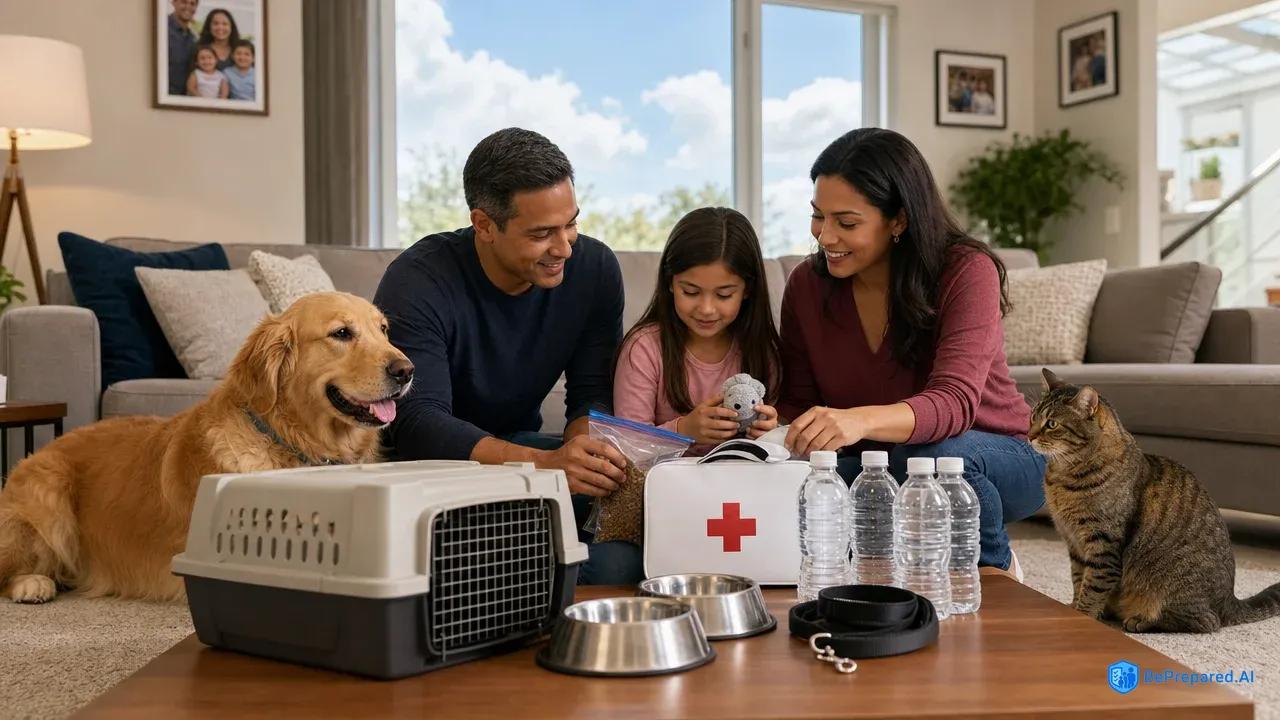
Your Pet's Life Depends on Your Preparation
When Hurricane Katrina hit the Gulf Coast in 2005, rescue workers found something that broke their hearts: many people refused to leave because they couldn't bring their pets. Some residents stayed behind in life-threatening conditions rather than abandon their furry family members. Others left but came back too soon to dangerous areas, determined to rescue the pets they'd been forced to leave behind. This tragedy changed how we think about emergency preparedness forever.
Nearly 40% of U.S. households own a dog and 25% own a cat . Your pets depend completely on you during disasters. They can't pack their own supplies, research evacuation routes, or understand weather warnings. Plan ahead for your pets and livestock - they are your responsibility . When hurricane season approaches, preparing for your four-legged family members isn't optional—it's essential.
Hurricane-specific threats to pets go far beyond the wind and rain. Storm surge can flood homes in minutes, leaving no time to gather scared animals. Extended power outages affect climate control, especially dangerous for pets sensitive to heat. Many emergency shelters don't accept animals, which means you need a solid plan before the storm approaches. The good news? You can prepare step by step, starting with simple tasks today. The time to prepare isn't when you're boarding up windows—it's right now, before hurricane season even begins.
- Microchip ID
- Permanent identification implanted under your pet's skin by a veterinarian - works even if collar is lost
- ID Tags on Collar
- Visible tags with your current phone number and address attached to a secure collar your pet wears daily
- Recent Photos
- Clear, current pictures of your pet from multiple angles stored on your phone and in emergency kit
Essential Pet Identification and Documentation
Picture this: During evacuation, your frightened dog slips out of her collar in the chaos and runs off. Or your cat escapes from his carrier at the emergency shelter. Without proper identification, finding your beloved pet becomes much harder. Multiple forms of identification dramatically increase reunion rates for lost pets. In the confusion following a hurricane, these backup systems can mean the difference between reunion and permanent separation.
Microchipping provides permanent identification that can't fall off or fade. Unlike collars, which can slip over a pet's head or break during stressful situations, a microchip stays with your animal. The tiny device sits just under your pet's skin and contains a unique identification number. When a shelter or veterinary clinic scans the chip, they can access your contact information and reunite you with your pet. Many veterinarians recommend updating your microchip registration before hurricane season—if you've moved or changed phone numbers, that chip won't help without current contact information .
Collar tags remain your first line of defense because they're immediately visible to anyone who finds your pet. A good ID tag should include your pet's name, your phone number, and any critical medical information like "needs medication" or "friendly." Consider adding a second tag with an out-of-area contact—if local phone networks are down after a hurricane, someone outside the disaster zone may be reachable when you're not.
Current photographs serve multiple purposes that many pet owners overlook. Have identification for your pet and a current photo of your pet in case you are separated . Take clear, well-lit photos of your pet from multiple angles, including any distinctive markings. If you're separated from your pet, these photos help rescue workers, neighbors, and shelter staff identify your animal. Store both physical copies in your emergency kit and digital copies in cloud storage accessible from your phone. Include photos of you with your pet—this proves ownership if disputes arise.
Medical records and vaccination documentation aren't just bureaucratic paperwork. Emergency boarding facilities and pet-friendly shelters often require proof of rabies vaccination before accepting animals. Include copies of vaccination records, medical history, and proof of ownership in your emergency kit . Keep your pet's medical records and medications in a waterproof container . This documentation proves your pet is healthy and up-to-date on shots, which protects both your animal and others in crowded emergency situations.
Food, Water, and Feeding Supplies Checklist
The familiar sound of kibble hitting a metal bowl provides comfort to pets even in the strangest circumstances. During the stress and chaos of a hurricane evacuation, maintaining your pet's normal routine as much as possible helps reduce anxiety. That means bringing their regular food, not hoping you'll find something similar at your destination.
Include at least three days of food in an airtight, waterproof container and three days of water specifically for your pets . This minimum assumes you'll reach safety and supplies within 72 hours, but smart preparedness means planning for longer. Consider packing five to seven days of supplies if you have room. Some experts recommend keeping up to two weeks of supplies on hand for extended emergencies. Store dry food in sealed plastic containers that protect against moisture and pests. For pets who eat wet food, pack extra cans and don't forget a manual can opener—electric openers won't work during power outages.
Calculate water needs based on your pet's size and the number of animals you're evacuating. Larger dogs may need more water than smaller pets, especially in hot conditions. Remember that after a hurricane, local water supplies may be contaminated. That fresh-looking puddle in your yard could contain sewage, chemicals, or bacteria dangerous to pets. Having dedicated pet water means you won't have to share your own limited drinking water or risk your pet's health with questionable sources.
Pack feeding bowls, measuring cups, and plastic bags for portion control. Collapsible silicone bowls save space in your emergency kit while providing familiar feeding stations. Include comfort items such as favorite toys or blankets to help reduce your pet's stress during evacuation . Familiar food helps reduce pet stress during disasters—this isn't the time to experiment with new brands or formulas. Sudden diet changes can cause digestive upset, the last thing you need when dealing with evacuation stress. Rotate your emergency food supply every few months to keep it fresh, using the stored food for regular meals and replacing it with new supplies.
Medical Supplies and Medications
Three days after Hurricane Maria hit Puerto Rico in 2017, veterinary clinics remained closed and pharmacies had no power. Pet owners with diabetic dogs needing insulin or animals requiring daily heart medication faced impossible situations. Pets may need medications for chronic conditions that become unavailable during disasters, making advance preparation life-saving.
Pack at least a seven-day supply of all medications in a waterproof container, clearly labeled with dosing instructions. Some veterinarians recommend keeping up to a 30-day supply for pets with chronic conditions, which provides an even safer buffer because medications can't be substituted easily. If your pet takes prescription medication, talk with your veterinarian about getting an extra supply specifically for your emergency kit. Some insurance plans or veterinary practices resist this, but explaining it's for disaster preparedness often helps. Include the prescription information and your veterinarian's contact details in case you need refills during evacuation.
Assemble a pet first aid kit with basics you might need before reaching veterinary care. Include a first aid kit with bandages, antiseptic, and any special medications . Add gauze pads, adhesive tape, antiseptic wipes, tweezers for removing debris, and a digital thermometer. Include any pet-specific items like nail clippers and styptic powder to stop bleeding if a nail breaks. A small bottle of hydrogen peroxide can induce vomiting if your pet ingests something toxic—but only use this under veterinary guidance via phone.
Vaccination records may be required for emergency boarding facilities, making copies essential. Many pet-friendly hotels and emergency shelters won't accept animals without proof of current rabies vaccination. Store these records in a waterproof plastic sleeve along with your pet's medical history. Include information about chronic conditions, allergies, behavioral issues, and your regular veterinarian's contact information. If your pet has special medical needs, write clear instructions that anyone could follow—during a disaster, someone else might need to care for your animal.
Don't forget preventative medications like flea, tick, and heartworm treatments. After hurricanes, standing water creates perfect breeding grounds for mosquitoes, which can increase heartworm risk. Floodwaters may also displace wildlife and increase your pet's exposure to ticks and fleas. Keep your pet current on all preventative treatments and pack extras in your emergency kit.
Comfort Items and Stress Reducers
Your dog doesn't understand why you're suddenly packing the car at midnight or why the house is shaking from hurricane-force winds. Your cat can't comprehend why she's confined to a carrier in a strange building full of unfamiliar people and animals. What pets do understand is the comfort of familiar objects—the worn blanket that smells like home, the squeaky toy they've carried for years, the treats that mean good things are happening.
Pack familiar items like your pet's favorite toys, treats, or bedding to reduce stress during evacuation and shelter stays . These comfort items can significantly help pets cope with emergency displacement. That threadbare stuffed animal your dog has slept with since puppyhood provides more psychological benefit than any new toy ever could. The familiar scent and texture offer reassurance when everything else feels wrong and scary.
Treats serve multiple purposes beyond simple comfort. They're useful for training and cooperation during stressful situations—getting a frightened cat back into a carrier becomes much easier with favorite treats as motivation. Treats can also distract pets during loud noises or scary moments. Choose treats that won't spoil quickly and store them in airtight containers to maintain freshness. Include both your pet's everyday treats and some special high-value options for particularly stressful situations.
Blankets and bedding create familiar spaces in unfamiliar environments. When you arrive at an emergency shelter or temporary housing, spreading out your pet's own blanket establishes a home base. The familiar smell helps pets relax and signals that this new space is safe. Choose bedding that's washable and relatively compact—bulky dog beds may not fit in your evacuation vehicle. A familiar blanket can transform a corner of a strange room into a comforting den.
Consider packing items that engage your pet's mind during long waits. Puzzle toys, chew items, and interactive games help pass time during extended evacuations. Bored, stressed pets can become anxious and sometimes destructive. A long-lasting chew bone or food-puzzle toy can occupy your dog for hours, reducing stress for both of you. For cats, consider including catnip toys or small items they can bat around safely within their carrier or temporary space.
Transportation and Safety Equipment
The difference between a successful evacuation and a disaster often comes down to having the right equipment ready to go. Proper carriers protect pets during evacuation and provide secure temporary housing. Picture trying to catch a terrified cat in a house with windows breaking from hurricane winds, or attempting to control a panicking dog in bumper-to-bumper evacuation traffic without proper restraint. The right equipment prevents these nightmares.
Every pet needs a sturdy, properly-sized carrier. For cats and small dogs, hard-sided carriers with secure latches offer the best protection. Soft-sided carriers work for calm pets but may not contain a frightened animal trying to escape. The carrier should be large enough for your pet to stand, turn around, and lie down comfortably . They might be confined for hours during evacuation. Write your contact information directly on the carrier with permanent marker in case you're separated.
Get your pet comfortable with their carrier well before hurricane season arrives. Keep leashes, harnesses, and carriers easily accessible and practice using them with your pets before an emergency . Leave the carrier out in your home with the door open, placing treats and toys inside. Feed meals inside the carrier so it becomes associated with positive experiences rather than just vet visits. A pet already comfortable with their carrier will be less stressed when you need to use it during an actual emergency.
Pack multiple leashes, harnesses, and backup restraints because equipment can break or be lost during chaotic evacuations. Include a standard leash, a spare, and a long tie-out line that allows your pet bathroom breaks when safe outdoor access is limited. For dogs, both a collar and a harness provide backup options—harnesses can be harder for dogs to slip out of when frightened. Having multiple restraint options helps prevent pets from escaping in chaotic situations.
Don't forget practical supplies like waste bags, paper towels, and cleaning supplies. Your pet won't stop having bathroom needs during a hurricane. Pack plenty of waste bags, disposable gloves, and pet-safe cleaning products. If you're sheltering with others or staying in temporary housing, being able to clean up after your pet quickly and thoroughly is both courteous and often required.
A battery-powered or hand-crank radio helps you monitor changing conditions without draining your phone battery. Knowing when it's safe to return home or when conditions are worsening helps you make informed decisions about your pet's safety. Include extra batteries in your kit and test the radio periodically to make sure it works.
Hurricane-Specific Considerations for Pet Safety
Hurricanes present unique dangers that differ from other disasters, and these hazards affect pets in ways many owners don't anticipate. Understanding these specific threats helps you protect your animals more effectively when tropical storms threaten. Let's break this down into manageable steps you can tackle one at a time.
Step 1: Identify if you're in a storm surge evacuation zone immediately. Storm surge—the abnormal rise of water pushed ashore by hurricane winds—can flood coastal areas in minutes, rising much faster than regular flooding. If authorities issue evacuation orders for your zone, leaving immediately with your pets isn't optional. Waiting until water appears means you've waited too long. Water can rise several feet in minutes, trapping pets in homes or making roads impassable. Research your evacuation zone now, before a storm threatens, and know your evacuation route. Identify pet-friendly hotels or shelters along your evacuation route before hurricane season begins .
Step 2: Plan for post-hurricane flooding and contaminated water hazards. Unlike clean rainwater, floodwater after a hurricane contains sewage, chemicals, fuel, and bacteria. Pets walking through contaminated water can develop infections, and dogs who drink from puddles risk serious illness. The water may also hide hazards like sharp debris, downed power lines, or sudden drop-offs. Keep pets leashed and away from floodwater. Rinse their paws with clean water if they must walk through contaminated areas.
Step 3: Address extended power outages that affect pet safety. Hurricanes often cause power outages lasting days or weeks. Without air conditioning, temperatures inside homes can become dangerous, especially for pets with thick coats, short-nosed breeds prone to breathing problems, or elderly animals. Refrigerated pet food and medications may spoil. Plan where you'll take your pets if power loss makes your home unsafe—a friend's house outside the affected area, a pet-friendly hotel with generators, or an emergency boarding facility with backup power.
Step 4: Protect pets from debris and damaged structures after the storm. Once the hurricane passes, your property becomes a hazard zone. Broken glass, exposed nails, sharp metal, and unstable structures pose injury risks. Pets don't understand that the tree limb on the ground might have nails or that the damaged fence has sharp edges. Keep pets confined and leashed during initial post-storm assessments. Check your yard carefully before allowing pets outside, removing debris and identifying hazards. Damaged buildings can collapse unexpectedly—never let pets enter structures that haven't been cleared as safe.
Step 5: Prepare for disrupted routines and veterinary care access. After major hurricanes, veterinary clinics may be closed, damaged, or overwhelmed. Having that supply of medications and a complete first aid kit becomes critical when professional care isn't available. Your pet's routine will be disrupted—different sleeping arrangements, altered feeding times, limited exercise opportunities. Maintaining as much normalcy as possible through familiar items, regular feeding times, and calm interactions helps your pet cope with the chaos surrounding them.
Step 6: Watch for behavioral changes indicating stress or illness. Pets may act differently during and after hurricanes. Excessive panting, hiding, aggression, loss of appetite, or unusual vocalizations can signal stress or illness. Monitor your pets closely and seek veterinary care when available if concerning symptoms develop. Remember that your own stress affects your pets—they pick up on human anxiety. Staying as calm as possible helps your animals stay calmer too.
Your Simple Starting Point
You don't need to do everything at once. Start with one small step today. Maybe that's updating your pet's microchip information. Maybe it's taking a few clear photos of your pet from different angles. Or perhaps it's simply finding out if you're in a storm surge evacuation zone.
Each small action you take builds your preparedness. Next week, you might gather three days of food and water. The week after, you could practice getting your pet comfortable with their carrier. Breaking preparation into bite-sized tasks makes it manageable instead of overwhelming.
Your pets trust you completely to protect them. They can't prepare themselves, research evacuation routes, or understand weather warnings. But you can. The supplies you gather now, the identification you update, and the plans you make before hurricane season arrives could save your pet's life when the next storm threatens.
Start building your pet emergency kit today—your furry family members are counting on you to keep them safe. Pick one task from this guide and complete it this week. Then pick another. Before you know it, you'll have a complete plan that gives you peace of mind and keeps your pets safe when hurricanes threaten.