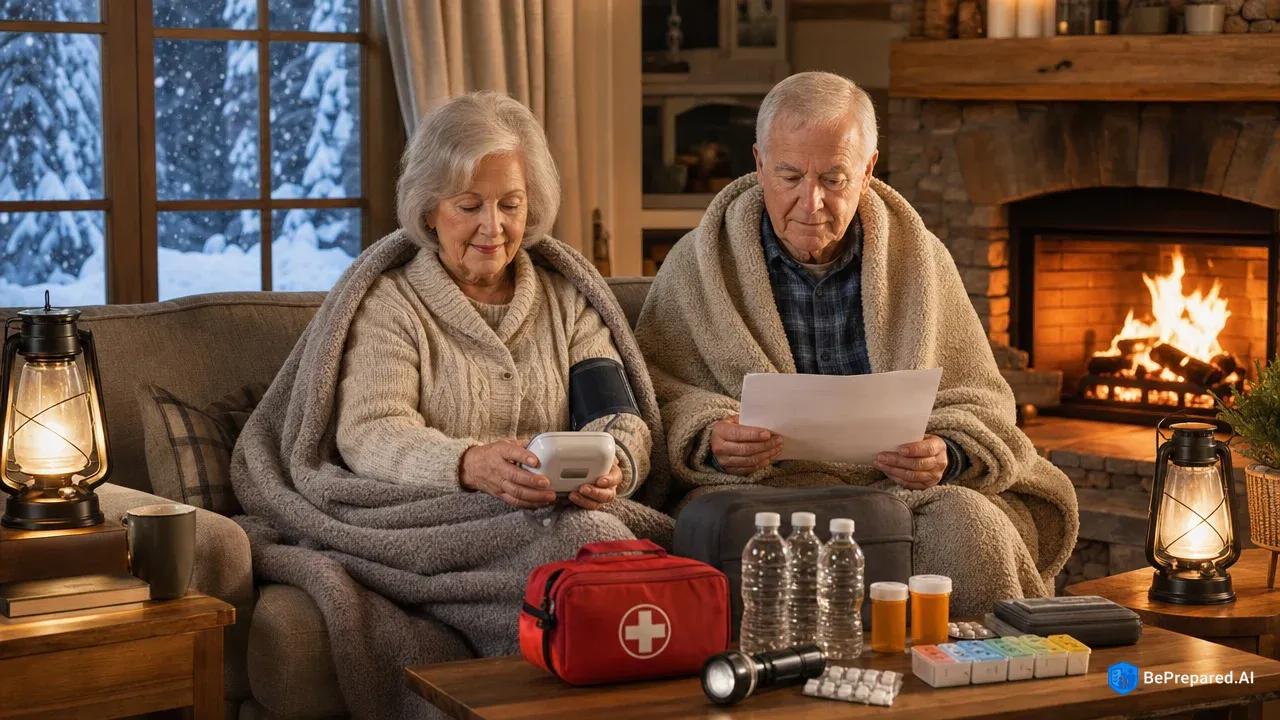
Understanding Senior-Specific Winter Storm Vulnerabilities
Margaret Chen had lived through fifty winters in her Chicago brownstone, but the blizzard of 2022 caught her unprepared in ways she never anticipated. At seventy-three, she'd always considered herself resilient—someone who could handle whatever weather came her way. But when the power failed at 2 AM during a historic storm, she discovered that her body no longer responded to cold the way it once had. By morning, she was confused and shivering uncontrollably, her thermostat reading 52°F. Her daughter found her twelve hours later, suffering from moderate hypothermia in her own living room.
Margaret's experience illustrates a critical reality that many seniors and their families don't fully understand: aging fundamentally changes how our bodies perceive and respond to cold. Adults aged 65 and older are at higher risk for hypothermia because they may not be able to communicate when they are cold or may not be mobile enough to stay warm . The body's internal thermostat becomes less accurate with age, meaning seniors often don't feel cold until they're already in danger. This delayed response, combined with reduced ability to generate body heat through shivering and decreased circulation, creates a perfect storm of vulnerability.
The physiological changes extend beyond temperature regulation. Older adults lose body heat faster than younger people . Many seniors take medications that affect blood flow—beta blockers, certain antidepressants, and sedatives—which can interfere with the body's ability to retain heat. Chronic conditions like diabetes, thyroid problems, and arthritis compound these risks. Hypothermia can occur at temperatures above 40°F if older adults are wet or in windy conditions , and remarkably, indoor hypothermia becomes a genuine threat at temperatures that younger adults would find merely uncomfortable. Medical research suggests that prolonged exposure to indoor temperatures below 65°F may trigger hypothermia in seniors, even when they're wearing regular indoor clothing.
Mobility limitations create another layer of vulnerability during winter emergencies. The simple act of moving around generates body heat, but seniors with arthritis, balance issues, or limited stamina may spend long periods sitting or lying down. When the power fails and temperatures drop, they can't easily relocate to warmer parts of the home, retrieve emergency supplies from basements or garages, or perform the physical tasks necessary to implement backup heating solutions. A senior who might manage perfectly well under normal circumstances can become critically vulnerable within hours when winter storm conditions eliminate their usual support systems.
The statistics reveal a troubling gap between risk and preparation. Nearly 60% of older adults have not made emergency preparations despite being at higher risk during disasters . This lack of preparation stems partly from unfamiliarity with age-specific vulnerabilities and partly from underestimating how quickly winter storms can turn dangerous for older adults. The intersection of reduced physical capability, diminished temperature awareness, and medication dependencies creates vulnerabilities that require specialized preparation strategies—approaches that go far beyond the standard emergency planning most households undertake.
- Emergency Supply Kit Assembly
- Stock 7-14 days of medications, non-perishable food, water (1 gallon per person per day), flashlights, batteries, and first aid supplies
- Home Heating System Inspection
- Schedule professional HVAC maintenance, test backup heating sources, ensure adequate fuel supply, and install carbon monoxide detectors
- Communication & Emergency Contacts Plan
- Create laminated contact lists, charge backup phone batteries, establish check-in protocols with family/neighbors, and register for local emergency alerts
- Medication & Medical Equipment Backup
- Coordinate with healthcare providers for extended prescriptions, ensure medical devices have battery backups, and maintain updated medical information cards
- Home Winterization & Safety Measures
- Insulate pipes, seal drafts, clear gutters, trim tree branches, install grab bars near entrances, and ensure adequate lighting for walkways
Critical Winter Storm Preparation for Seniors
The week before winter storm season begins should trigger a comprehensive preparation protocol specifically designed around senior vulnerabilities. This isn't about generic emergency planning—it's about addressing the unique intersection of age-related challenges, medical dependencies, and winter storm hazards.
Medication and Medical Equipment Protection:
Temperature-sensitive medications represent one of the most critical vulnerabilities for seniors during power outages. Insulin and other temperature-sensitive medications may be compromised during power outages , potentially creating life-threatening situations. Insulin requires storage between 36-46°F to maintain effectiveness, while many other medications degrade at temperatures above 77°F or below freezing. Establish a medication protection system before storms arrive: purchase a small portable cooler with ice packs that can maintain stable temperatures for 24-48 hours, and identify which medications require refrigeration versus room temperature storage. Contact your pharmacy before winter to understand exactly which of your medications are temperature-sensitive and their specific storage requirements.
Maintain a supply of medications for at least 7-14 days . This buffer provides protection when storms prevent pharmacy access or delay prescription refills. Request 90-day prescriptions rather than 30-day supplies when possible, and ask your doctor about emergency refill procedures before winter arrives. Many physicians will authorize early refills when severe weather is forecast.
For seniors dependent on powered medical equipment—oxygen concentrators, CPAP machines, nebulizers, or powered wheelchairs—backup power isn't optional. Battery backup systems or portable power stations with sufficient capacity to run essential medical devices should be tested monthly. Many medical equipment suppliers offer battery backup options specifically designed for their devices. Document the power requirements (watts) for each device and ensure your backup system can handle the load for at least 72 hours.
Alternative Heating Preparation:
Identifying and preparing safe alternative heating sources before storms arrive can be lifesaving. If you plan to use a propane heater, purchase it now along with adequate fuel storage, and practice setting it up in a well-ventilated area. Wood-burning fireplaces or stoves require advance preparation: have chimneys professionally cleaned before winter, stock adequate seasoned firewood in an accessible location, and ensure you have the physical capability to manage the wood and maintain the fire safely. Seniors should avoid overexertion when shoveling snow or walking in snow and ice, as this can lead to heart attacks or falls —this same caution applies to hauling firewood or handling heavy propane tanks.
Keep thermostats set to at least 68-70°F during normal winter conditions. This baseline temperature provides a safety margin if power fails, as your home starts from a warmer temperature and takes longer to reach dangerous levels. During power outages, focus on maintaining temperature in a designated "warm room" rather than trying to heat your entire home.
Enhanced Home Insulation Strategies:
Senior living spaces require special insulation attention because maintaining higher baseline temperatures becomes critical. Before winter, insulate pipes in unheated areas with foam pipe insulation—burst pipes create dangerous flooding and eliminate water access. Install heavy thermal curtains on all windows, and identify one room that can serve as a "warm room" during power outages—ideally a smaller interior room on an upper floor (heat rises) with minimal windows. Stock this room with blankets, sleeping bags rated for cold weather, warm clothing, and emergency supplies.
Weather-strip doors and windows throughout the home, paying special attention to the warm room. Consider installing cellular shades, which provide significantly better insulation than standard blinds. Check for drafts around electrical outlets, baseboards, and attic access points. Seal these gaps with caulk or foam insulation. These improvements reduce heat loss during normal winter conditions and become critical during power outages when you're relying on alternative heating or body heat alone.
Emergency Communication Infrastructure:
Establish multiple redundant communication systems before storms arrive. A corded landline phone (not cordless) works during power outages if phone lines remain intact. A fully charged cell phone with a portable charging bank provides backup. Battery-powered radios remain functional when cell towers fail during severe storms , ensuring you can receive weather updates and emergency information even when all other systems fail. Test all communication devices monthly and replace batteries in fall.
Create a written emergency contact list with phone numbers for family, neighbors, doctors, pharmacy, and local emergency services—memory becomes unreliable during stress and cold exposure. Include information about your specific medical conditions, medications, and any special needs. Keep copies in multiple locations: with your emergency supplies, by your bedside, in your wallet, and with a trusted family member or neighbor.
Pros and Cons of Different Preparation Approaches:
Portable Power Stations:
- Pros: Silent operation, safe for indoor use, no fuel storage required, can recharge with solar panels
- Cons: High upfront cost ($500-$2000), limited runtime without recharging, capacity decreases in cold temperatures
Portable Generators:
- Pros: Extended runtime with adequate fuel, high power output, can run multiple devices
- Cons: Must operate outdoors only, requires fuel storage and management, noisy, needs regular maintenance, carbon monoxide risk if improperly used
Propane Heaters (Indoor-Rated):
- Pros: Effective heating, relatively inexpensive, fuel stores indefinitely
- Cons: Requires ventilation, carbon monoxide risk, fuel cylinders must be stored properly, not safe for overnight use
Wood-Burning Fireplace/Stove:
- Pros: No electricity required, provides excellent heat, creates comforting atmosphere
- Cons: Requires physical capability to manage, needs annual chimney cleaning, wood storage space required, fire and smoke hazards if improperly maintained
Safe Alternative Heating Methods and Carbon Monoxide Prevention
Alternative heating during winter power outages presents a critical paradox for seniors: the methods that can save lives through warmth provision can also kill through carbon monoxide poisoning or fire. Understanding this balance requires technical precision rather than general awareness.
Carbon monoxide (CO) represents an invisible, odorless threat that causes approximately 400 deaths and sends more than 20,000 people to emergency rooms annually in the United States. During winter storms, CO poisoning incidents spike dramatically as people deploy alternative heating methods without adequate safety protocols. The gas is produced whenever fuel burns—whether propane, natural gas, kerosene, wood, or gasoline. At low concentrations, it causes headaches and nausea. At higher concentrations, it causes confusion, loss of consciousness, and death. Seniors face elevated risk because age-related changes in cardiovascular function mean lower CO levels can cause more severe effects.
Propane Heater Safety Protocols:
Portable propane heaters designed for indoor use must bear explicit indoor-use certification—outdoor propane heaters produce dangerous CO levels in enclosed spaces and should never be brought inside, regardless of ventilation. Even certified indoor propane heaters require specific ventilation protocols. Position the heater at least three feet from any combustible materials including curtains, furniture, bedding, and papers. Maintain cross-ventilation by opening windows on opposite sides of the room at least one inch—yes, this releases some heat, but it prevents CO accumulation and provides oxygen replacement.
Never operate propane heaters in bedrooms during sleep, as CO accumulation occurs gradually and victims become unconscious without waking. Set a timer to remind yourself to turn off the heater before bed. If you must use a heater overnight, use it only in a larger common area with multiple people present who can monitor each other for symptoms of CO poisoning.
Propane cylinders must be inspected for damage, leaks, and proper valve function before attachment. The distinctive "rotten egg" smell of propane indicates leaks—if detected, immediately shut off the cylinder, ventilate the area, and move the cylinder outdoors. Store backup propane cylinders outside, never in living spaces, garages, or basements where leaked gas can accumulate. Check connections using soapy water—bubbles indicate leaks that must be corrected before operation.
Wood-Burning Safety Requirements:
Wood-burning fireplaces and stoves provide excellent emergency heat but demand rigorous safety protocols. Chimneys must be professionally inspected and cleaned annually—creosote buildup ignites at high temperatures, causing chimney fires that can spread to the home structure. Burn only seasoned hardwood that has dried for at least six months; green or wet wood produces more smoke and creosote. Never burn trash, cardboard, or treated wood, which release toxic fumes and excessive creosote.
Maintain a metal mesh screen or glass door barrier to prevent embers from escaping into living spaces. Keep the area within three feet of the fireplace completely clear of combustible materials. Dispose of ashes only after they've cooled for at least 24 hours, placing them in a metal container with a lid, stored outdoors away from the home and any combustible materials. Even cold-appearing ashes can contain live embers that reignite.
Open the damper fully before lighting a fire and keep it open until the fire is completely extinguished and ashes are cold. This ensures proper ventilation and prevents smoke and CO from entering your living space. If your home fills with smoke when you light a fire, the chimney may be blocked or the damper may be closed—extinguish the fire immediately and have the chimney inspected before using it again.
Carbon Monoxide Detector Implementation:
Install carbon monoxide detectors on every level of your home, including the basement. Place detectors in hallways outside sleeping areas, ensuring the alarm can wake occupants. Place additional detectors near any fuel-burning appliances and in rooms where alternative heating will be used. Position detectors on walls approximately five feet above the floor—CO mixes thoroughly with room air at this height. Never place detectors near fuel-burning appliances or in humid areas like bathrooms, as this causes false alarms.
Test detectors monthly using the test button, and replace batteries twice annually when changing clocks for daylight saving time. Replace entire detector units every five to seven years, as sensors degrade over time. Write the installation date on each detector so you know when replacement is due.
If a CO detector alarms, immediately evacuate everyone to fresh air and call 911 from outside the home. Do not re-enter until emergency responders declare it safe. Don't assume a CO alarm is malfunctioning—treat every alarm as a real emergency. Symptoms of CO poisoning include headache, dizziness, weakness, nausea, vomiting, chest pain, and confusion. If multiple people in your home experience these symptoms simultaneously, evacuate immediately and seek medical attention.
Prohibited Heating Methods:
Certain heating methods are absolutely prohibited regardless of circumstances. Portable generators produce dangerous levels of carbon monoxide and must be operated outdoors only, positioned at least 20 feet from your home with exhaust directed away from windows and doors. Never use gas ovens or stovetops for space heating—they produce dangerous CO levels and create fire hazards. Charcoal grills produce lethal CO concentrations and must never be used indoors or in garages. Kerosene heaters, while effective, require specific indoor-rated models and are generally not recommended for seniors due to refueling hazards and strict ventilation requirements.
Never use camping equipment designed for outdoor use inside your home. This includes camp stoves, portable grills, and camping heaters. These devices are not designed for indoor use and produce dangerous levels of carbon monoxide in enclosed spaces.
Hypothermia and Frostbite Prevention Strategies
Understanding how to prevent, recognize, and respond to cold-related injuries can mean the difference between a manageable emergency and a tragedy. For seniors, the stakes are higher because physiological changes make both conditions more likely and more dangerous.
Step 1: Recognize That Indoor Hypothermia Is a Real Threat
Hypothermia can develop indoors when temperatures drop below safe levels, particularly for seniors whose bodies regulate temperature less effectively. Your home doesn't need to feel freezing to become dangerous. When indoor temperatures drop into the 50s or low 60s—which happens quickly during winter power outages—seniors face genuine hypothermia risk even while sitting in their living rooms. This reality should fundamentally change how you approach winter storm preparation. Monitoring indoor temperature becomes as important as monitoring outdoor conditions.
Purchase an indoor thermometer and place it in your main living area where you can easily read it. During power outages, check the temperature every few hours. If it drops below 65°F, implement your warm room strategy immediately rather than waiting until you feel cold. Remember, seniors often don't feel cold until they're already in danger.
Step 2: Learn to Identify Early Warning Signs
Early hypothermia symptoms include confusion, drowsiness, slurred speech, and shivering. Other indicators include fumbling hands and difficulty with coordination, memory problems, and unusual behavior or personality changes. In seniors, confusion may be dismissed as normal cognitive decline, but during cold exposure, it signals danger. Skin may appear pale or grayish, and the person may report feeling weak or fatigued. Breathing and heart rate may slow noticeably.
The challenge with seniors is that they often don't recognize these symptoms in themselves due to the confusion hypothermia causes. This is why buddy systems and regular check-ins become critical—someone else needs to monitor for these warning signs. If you live alone, establish scheduled phone check-ins with family or neighbors during winter storms, with specific questions to assess your mental clarity: What day is it? What did you eat for breakfast? What's the temperature in your home?
Step 3: Implement Effective Layering Techniques
Proper layering creates insulation while managing moisture, which is critical because dampness dramatically accelerates heat loss. Start with a moisture-wicking base layer against the skin—synthetic or merino wool fabrics work well, while cotton retains moisture and should be avoided. Add an insulating middle layer such as fleece or wool that traps warm air. Top with an outer layer that blocks wind if you need to go outside.
For indoor use during power outages, focus on extremities where heat loss concentrates. Wear a warm hat—you lose significant body heat through your head. Use thick socks or layered sock combinations, and consider battery-powered heated socks if mobility limitations prevent active movement. Fingerless gloves allow you to maintain dexterity for tasks while providing hand warmth. Keep a sleeping bag rated for temperatures 20 degrees lower than you expect—these provide better insulation than blankets.
Layer blankets strategically: place one beneath you to insulate from cold surfaces, wrap one around your core, and drape another over your shoulders like a shawl. Sitting on cold floors or furniture accelerates heat loss, so add cushions or folded blankets beneath you.
Step 4: Maintain Safe Indoor Temperatures Without Power
When power fails, immediately implement your warm room strategy. Close off unused rooms to concentrate heat in a smaller space. Cover windows with blankets or sleeping bags for additional insulation—windows are major heat loss points. Use the body heat of multiple people if possible—two people sharing a room generate twice the heat. Avoid alcohol, which causes blood vessels to dilate and increases heat loss despite creating a temporary warm feeling. Stay hydrated and maintain caloric intake—your body needs fuel to generate heat.
Move around periodically if physically able—gentle movement generates body heat. However, avoid overexertion and sweating, which creates dampness. If you become wet from any source, change into dry clothing immediately. Monitor the indoor thermometer constantly, and if temperature drops below 60°F despite your efforts, consider relocating to a warming center or asking neighbors for assistance.
Eat regular meals and snacks, even if you don't feel hungry. Your body burns calories to generate heat, and maintaining energy intake helps preserve body temperature. Warm beverages help, but avoid caffeine in large quantities as it can increase urination and contribute to dehydration.
Step 5: Recognize and Respond to Frostbite
Frostbite occurs when skin and underlying tissues freeze, typically affecting fingers, toes, nose, and ears. Early frostbite (frostnip) causes skin to appear pale or red and feel cold and numb. Deeper frostbite turns skin white or grayish-yellow, feels unusually firm or waxy, and causes numbness. Never rub frostbitten areas—this causes tissue damage. Move to a warm environment and immerse affected areas in warm (not hot) water at 98-105°F for 20-30 minutes.
Do not rewarm if there's any possibility of refreezing, as this causes severe damage. Seek medical attention for anything beyond mild frostnip, especially if blisters form or skin turns black, indicating tissue death. While rewarming, the affected area may become painful as sensation returns—this is normal but can be intense. Take over-the-counter pain medication if needed.
Protect rewarmed areas from further cold exposure. Wrap them loosely in clean, dry bandages, placing gauze between fingers or toes if they're affected. Elevate the affected area to reduce swelling. Don't walk on frostbitten feet or toes unless absolutely necessary—this can cause additional damage.
- Assess Medication Temperature Requirements
- Categorize medications by storage needs: refrigerated (36-46°F), room temperature (68-77°F), and temperature-sensitive biologics requiring strict control
- Implement Immediate Cooling Solutions
- Deploy insulated containers with ice packs for refrigerated medications, ensuring 4-6 hour protection while monitoring with digital thermometers
- Activate Backup Power Systems
- Switch medical refrigerators and devices to battery backup or portable generators, prioritizing critical equipment based on power consumption analysis
- Monitor Environmental Conditions
- Track temperature and humidity using data loggers, documenting conditions every 2 hours to maintain medication efficacy and regulatory compliance
- Execute Medication Relocation Protocol
- Transfer temperature-sensitive medications to alternative powered facilities or pharmacies when backup systems approach capacity limits
- Document and Assess Medication Integrity
- Record temperature excursions, evaluate medication viability using manufacturer guidelines, and coordinate with healthcare providers for replacement protocols
Medication Management During Extended Power Outages
The intersection of medication dependencies and winter storm power outages creates scenarios that require advance technical planning. Medications represent lifelines for many seniors, and their compromise during emergencies can trigger cascading health crises.
Temperature-sensitive medication storage presents the most immediate challenge during power outages. Insulin and other temperature-sensitive medications may be compromised during power outages , but insulin isn't the only vulnerable medication. Biologics used for rheumatoid arthritis and other autoimmune conditions, certain eye drops, some antibiotics, injectable medications, and various liquid formulations all require specific temperature ranges. The challenge during winter power outages is maintaining this range—not too cold, not too warm—without refrigeration.
Medication Protection Strategies:
Implement a multi-layered medication protection system before storms arrive. Purchase a compact cooler specifically designated for medication storage—not the one used for picnics. Acquire reusable gel ice packs that can be frozen in advance and a cooler thermometer that displays both current and min/max temperatures. When power fails, place medications requiring refrigeration in the cooler with ice packs, positioning the thermometer where it's easily visible.
Monitor temperature every few hours, adjusting ice pack quantity to maintain the target range. Too many ice packs can cause freezing; too few allow temperatures to rise excessively. If outdoor temperatures are between 36-46°F, you can store refrigerated medications in a protected outdoor location like a garage or enclosed porch, but monitor temperature carefully as outdoor temperatures fluctuate.
For medications requiring room temperature storage (68-77°F), the challenge during winter power outages is preventing them from getting too cold. Store these medications in the warm room you've designated for emergency use, keeping them in an insulated container if room temperature drops below 65°F. Never store medications near alternative heating sources, as excessive heat degrades them rapidly. Keep medications at least six feet away from space heaters, fireplaces, or other heat sources.
Contact your pharmacist before winter to get specific storage instructions for each of your medications. Ask which medications are most critical if compromised and which have some flexibility in storage conditions. Some medications can tolerate brief temperature excursions, while others lose effectiveness immediately. Document this information in your emergency plan.
Backup Power for Medical Devices:
Oxygen concentrators, CPAP machines, nebulizers, and other powered medical equipment require electricity to function. Portable power stations (large battery systems) provide the most practical backup solution for seniors. These devices store electrical energy and can power medical equipment for hours or days depending on capacity and usage.
Calculate your needs: identify the wattage requirement for each essential device and the hours per day you need it. Multiply wattage by hours to get watt-hours, then purchase a power station with at least 50% more capacity than your calculation to account for efficiency losses and unexpected needs. For example, if your oxygen concentrator uses 120 watts and you need it 24 hours daily, that's 2,880 watt-hours. You'd want a power station with at least 4,320 watt-hours (4.3 kWh) capacity.
Solar panels paired with power stations allow recharging during multi-day outages, though winter conditions limit solar effectiveness. Portable generators offer another option but require outdoor operation at least 20 feet from the home, fuel storage and management, and regular maintenance. For seniors with limited mobility, portable power stations are generally safer and more manageable than generators.
Test your backup power system monthly. Run your medical equipment on backup power for several hours to ensure everything works correctly and to verify your runtime calculations. Replace or recharge batteries as needed. Keep backup power equipment in an easily accessible location—not in the basement or garage where you might have difficulty reaching it during an emergency.
Emergency Prescription Protocols:
Establish emergency prescription protocols with your healthcare providers and pharmacy before winter. Maintain a supply of medications for at least 7-14 days . Request 90-day prescriptions rather than 30-day supplies, providing a buffer if storms prevent pharmacy access. Ask your doctor about emergency refill procedures—many will provide authorization for early refills when winter storms are forecast.
Document all medication names, dosages, prescribing physicians, and pharmacy contact information in a written list kept with your emergency supplies. If you use a pill organizer, maintain a separate list showing which pills are which, as medications become difficult to identify once removed from labeled bottles. Include information about what each medication treats—this helps emergency responders understand your medical needs if you require assistance.
Keep medication information current in your phone and in a written format—technology fails during emergencies. Photograph prescription labels with your phone for quick reference. If you require refrigerated medications, identify the nearest pharmacy with generator backup power, and establish whether they can provide emergency supplies during extended outages. Many chain pharmacies have generator backup, but call ahead to confirm.
Consider asking your doctor about emergency medication alternatives. For some conditions, there may be non-refrigerated alternatives you could use temporarily during extended power outages. This isn't appropriate for all medications, but it's worth discussing with your healthcare provider as part of your winter emergency planning.
Emergency Communication and Mobility Assistance Plans
When winter storms knock out power and disable cell towers, seniors can find themselves dangerously isolated—unable to call for help, check in with family, or receive emergency information. Creating redundant communication systems and human support networks transforms isolation into connectedness, even when technology fails.
Think of emergency communication like a three-legged stool—if one leg fails, the others keep you stable. Your first leg is your cell phone, which works wonderfully until the battery dies or towers fail. Keep a portable charging bank fully charged before storms arrive, and charge your phone completely when severe weather is forecast. Battery-powered radios remain functional when cell towers fail during severe storms , making them your second critical communication leg. These devices receive emergency broadcasts, weather updates, and critical information from local authorities. Hand-crank models eliminate battery dependency entirely—a few minutes of cranking provides hours of reception.
Your third communication leg is a corded landline telephone, not a cordless model. Cordless phones require electricity to operate, but traditional corded phones receive power through the phone line itself and continue working during power outages if the phone infrastructure remains intact. Many seniors have eliminated landlines entirely in favor of cell phones, creating a single point of failure. During winter storms, that decision can prove dangerous. If you've disconnected your landline, consider reinstating basic service before winter, or at minimum, ensure you have multiple other communication methods.
But technology represents only part of the communication equation. Human networks provide the most reliable emergency communication system. Establish a formal check-in protocol with neighbors, family members, or friends before winter storms arrive. Create a specific schedule—"I'll call you every morning at 9 AM during storms"—rather than vague agreements to "stay in touch." When someone doesn't check in as scheduled, it triggers an immediate response.
Exchange house keys with trusted neighbors, and ensure they know where you keep emergency supplies and medications. This arrangement works both ways—you check on them, they check on you. Discuss specific scenarios: "If I don't answer my phone by 9:30 AM, come check on me." This removes ambiguity and ensures prompt response if something goes wrong.
Seniors may need assistance during emergencies due to mobility limitations, chronic health conditions, or medication dependencies . Acknowledging these limitations isn't admitting defeat; it's smart planning. If you use a walker, wheelchair, or cane, winterize these mobility aids before storms arrive. Attach ice grips to cane tips and walker legs. Keep backup mobility aids if possible—if your primary walker is in the garage and you can't safely reach it during a storm, a backup cane stored inside provides options.
For wheelchair users, ensure battery-powered chairs are fully charged before storms, and consider whether a manual backup wheelchair makes sense for your situation. If you rely on a stair lift, understand that it won't function during power outages unless you have backup power. Plan alternative arrangements for accessing different floors of your home during emergencies.
Create a specific emergency evacuation plan that accounts for mobility limitations. Identify which neighbors or family members can provide physical assistance if you need to evacuate. Walk through the process in advance—literally practice evacuating your home with whatever assistance you'll need during an actual emergency. This reveals problems while you can still solve them. If you live in a multi-story home and mobility limitations make stairs difficult, establish a first-floor emergency shelter location so you don't need to navigate stairs during a crisis.
Document your support network in writing. List names, phone numbers, and addresses for everyone in your emergency communication network. Include your doctor's office, pharmacy, home health agency if applicable, and any medical equipment suppliers. Keep copies in multiple locations—with your emergency supplies, by your bedside, in your wallet or purse, and with a trusted family member. Include information about your specific needs: "I require assistance walking on ice," "I need help carrying supplies from the basement," "I cannot safely operate a generator."
Register with your local emergency management office or utility company if they maintain special needs registries. These programs alert first responders that someone at your address may need assistance during emergencies. While registration doesn't guarantee priority response, it provides emergency personnel with valuable information about vulnerable residents in their community.
Post-Storm Recovery and Health Monitoring
The storm has passed, the sun is shining, and the power has returned. The danger is over, right? Not quite. Post-storm recovery presents its own set of risks for seniors, and understanding these hazards prevents the tragedy of surviving the storm only to suffer injury during cleanup.
Step 1: Conduct a Thorough Health Assessment
Before attempting any recovery activities, assess yourself for cold exposure effects. Cold-related health impacts can develop gradually and may not be immediately apparent. Sit quietly in a warm environment and evaluate how you feel. Are you thinking clearly? Do you feel unusually fatigued? Are your fingers and toes tingling as they warm? Any confusion, persistent numbness, or unusual symptoms warrant immediate medical attention.
Check your blood pressure if you have a home monitor—cold exposure can affect cardiovascular function. If you felt cold during the storm but didn't think you were in danger, remain vigilant for 24-48 hours afterward. Some cold-related health effects may appear hours after exposure ends. Watch for persistent fatigue, confusion that doesn't improve with warming, irregular heartbeat, or unusual shortness of breath.
Take your temperature if you have a thermometer. A body temperature below 95°F indicates hypothermia and requires immediate medical attention. Even if your temperature is normal, pay attention to how you feel. Trust your instincts—if something doesn't feel right, call your doctor or seek medical evaluation.
Step 2: Approach Cleanup Activities with Extreme Caution
Seniors should avoid overexertion during post-storm cleanup to prevent heart attacks . Snow shoveling represents one of the highest cardiac risk activities—the combination of cold air, physical exertion, and the specific motion of shoveling creates perfect conditions for heart attacks in vulnerable individuals. Cold air causes blood vessels to constrict, increasing blood pressure and heart workload. The lifting and throwing motion of shoveling further stresses the cardiovascular system.
If you must clear snow, work slowly, take frequent breaks, and stop immediately if you experience chest discomfort, unusual shortness of breath, or any concerning symptoms. Shovel small amounts at a time rather than lifting heavy loads. Push snow rather than lifting when possible. Dress warmly in layers to maintain body temperature without overheating.
Better yet, hire snow removal services or ask neighbors, family members, or community volunteers for assistance. Many communities offer free snow removal for seniors through volunteer programs—contact your local senior center or area agency on aging to inquire about these services. The money spent on professional snow removal is insignificant compared to the cost of hospitalization for a heart attack or treatment for injuries from a fall on ice.
Walking on ice and snow presents serious fall risks for seniors. Wear boots with good traction, take small shuffling steps, and use your cane or walker with ice grips attached. Spread sand, salt, or kitty litter on walkways to improve traction. If you must go outside, go slowly and consider using trekking poles for additional stability. Ask for assistance rather than risking a fall—hip fractures and head injuries from falls can be life-threatening for older adults.
Step 3: Recognize When to Seek Medical Attention
Certain symptoms after winter storm exposure require immediate medical evaluation. Persistent confusion or memory problems, unusual weakness or fatigue that doesn't improve with rest and warmth, numbness or tingling in extremities that lasts more than a few hours, chest discomfort or irregular heartbeat, and any signs of frostbite beyond mild frostnip all warrant prompt medical attention. Don't adopt a "wait and see" approach with these symptoms—cold-related injuries can worsen rapidly, and early intervention prevents serious complications.
If you experienced any period of significant cold exposure during the storm, schedule a follow-up appointment with your primary care physician even if you feel fine. Mention the exposure and ask for an assessment. This is particularly important if you have cardiovascular disease, diabetes, or other chronic conditions that increase vulnerability to cold-related complications. Your doctor may want to run tests to ensure the cold exposure didn't trigger any underlying problems.
Watch for delayed symptoms in the days following the storm. Some cold-related complications don't appear immediately. Increased joint pain, worsening of chronic conditions, respiratory problems, or changes in mental clarity may all be related to cold exposure during the storm. Report these symptoms to your healthcare provider.
Step 4: Restock Emergency Supplies Systematically
Once you've recovered and ensured your health, turn attention to restocking your emergency supplies before the next storm arrives. Review what you used during the storm and what you wished you'd had. Replace depleted supplies—batteries, non-perishable food, water, medications, and fuel for alternative heating. Test equipment that was used—carbon monoxide detectors, flashlights, radios, and backup power systems. Recharge all portable power banks and battery systems.
Check expiration dates on food, medications, and batteries. Rotate stock so older items get used first and fresh supplies are available for the next emergency. Update your emergency contact list if any phone numbers or addresses have changed. Review your medication list with your pharmacist to ensure you still have accurate storage information for all current prescriptions.
Inspect alternative heating equipment for damage or wear. Clean fireplace or wood stove components. Check propane heater connections and hoses for cracks or damage. Test carbon monoxide detectors again to ensure they're functioning properly after the emergency.
Step 5: Evaluate and Improve Your Plan
Every emergency provides learning opportunities. What worked well during the storm? What didn't work as expected? Did you have adequate warmth? Were your communication systems effective? Did you have enough food and water? Were medications properly protected? Document these observations while they're fresh in your mind, and modify your emergency plan accordingly.
Share your experiences with family members, neighbors, and your healthcare providers—your insights might improve their planning as well. If you discovered gaps in your preparation, address them now before the next storm. Did you run out of batteries? Buy more. Was your warm room not warm enough? Add more insulation or identify a better location. Did you have trouble reaching emergency supplies? Relocate them to a more accessible spot.
Consider whether your current living situation adequately supports your safety during winter storms. If this storm revealed serious vulnerabilities—inability to maintain safe temperatures, dangerous isolation, or inadequate support systems—it might be time to explore options like moving to a senior living community with generator backup, relocating closer to family members, or establishing more robust support networks. These aren't admissions of failure; they're smart adaptations to changing circumstances that prioritize your safety and well-being.
Discuss your experience with your doctor at your next appointment. Ask whether your medications or health conditions require any special considerations for future winter emergencies. Your healthcare provider may have suggestions for improving your emergency plan based on your specific medical situation.
Winter storms will continue to arrive with predictable regularity, but your response to them doesn't need to be reactive and frightening. With proper preparation, the right equipment, solid support networks, and clear understanding of your unique vulnerabilities as a senior, you can weather these storms safely and confidently. The key is starting your preparation now, before the next storm appears on the forecast, when you have time to plan thoroughly and implement systems that truly protect you.
Take action today. Review this article with family members or caregivers. Make a list of preparation steps you need to complete. Schedule appointments with your doctor and pharmacist to discuss your medications and emergency protocols. Test your communication systems and backup power equipment. Connect with neighbors to establish check-in procedures. Each step you take now reduces your vulnerability and increases your safety when the next winter storm arrives.