Earthquake Preparedness Kit + Home Safety Checklist
Earthquakes give you no warning and no season to plan around, which means preparedness is almost entirely about what you did last year. This is the calm, complete earthquake preparedness checklist we built for real families: know your seismic risk by address, secure the high-risk furniture and utilities in your home, build a 7-day kit (not the 3-day kit that works for hurricanes), and know Drop, Cover, Hold On cold so you respond right during the shaking. No doom language, no prepper theater.
Updated
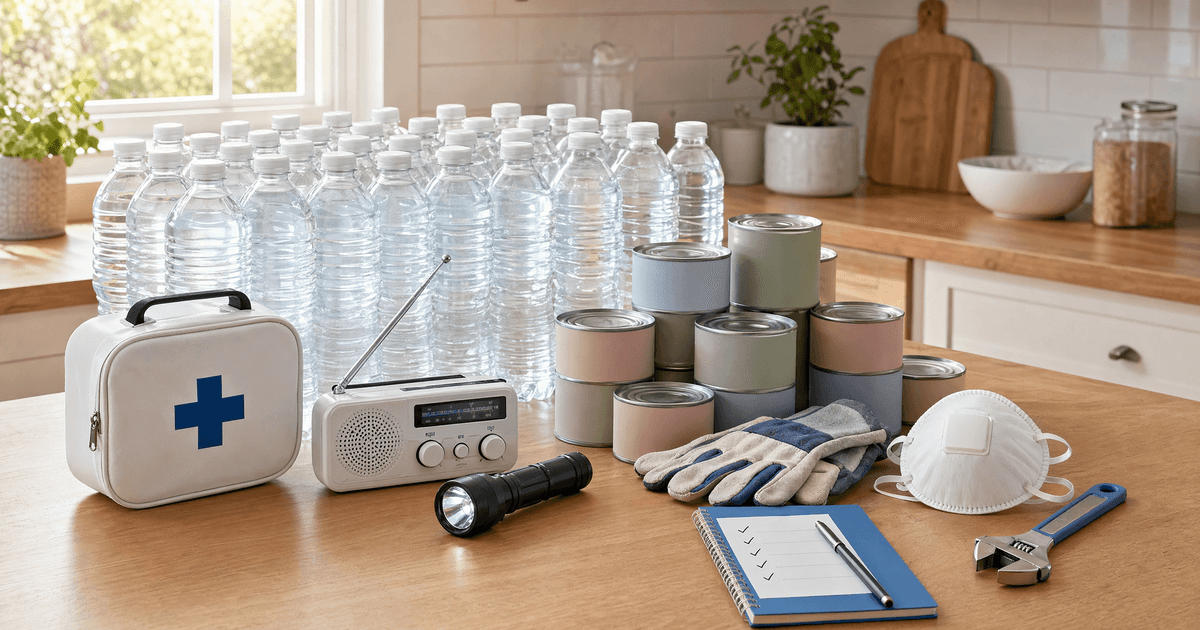
Earthquake risk can vary over short distances. Proximity to known faults, the age and construction type of your home, and local soil conditions (liquefaction zones, landslide risk) all change what shaking would do to your house. The FEMA National Risk Index earthquake component and the USGS seismic hazard maps both publish this information, but reading them requires translating a lot of government GIS data into plain English.
BeAware pulls your address-specific seismic risk, local fault proximity, and liquefaction-zone status into one view so you know whether your home calls for basic kit-and-anchor work or a serious structural assessment.
Check seismic risk at my addressSecure your home first (kit second)
During shaking, falling glass and debris are a real danger, which is why USGS advises against rushing outside while the building is moving. Securing the things that can fall is work you can do once, before any shaking. FEMA counts several of these among its low-cost tasks, and some, like moving heavy objects off high shelves and away from beds, cost nothing.
Strap your water heater to wall studs
FEMA’s advice on this one: "If you don’t do anything else, do this!" Restraining the tank prevents overturning, flooding, and the loss of an emergency water source, and reduces a fire risk from gas-fired heaters. FEMA calls strapping relatively easy and inexpensive, with kits at many hardware stores.
Anchor heavy furniture to walls
Bookshelves, dressers, armoires, and tall cabinets should be secured to wall studs. Tip-over accidents injure children and block escape paths in a quake.
Mount TVs and heavy electronics with anti-tip straps
A flat-screen TV becomes a flying hazard in an EQ. Use manufacturer anti-tip straps or furniture-safety straps for any heavy item above waist height.
Install cabinet latches in kitchens and bathrooms
Child-safety or earthquake-rated latches keep glass, dishes, and chemicals contained during shaking, preventing damage and injury from falling contents.
Know where your main gas and water shutoffs are
Walk every household member to both valves. Store the shutoff wrench directly next to the gas meter. After shaking, shut off the gas if you smell or hear a leak; only the gas company can turn it back on.
Store shoes and a flashlight next to every bed
Nighttime quakes can scatter broken glass across floors, and you will need shoes and light to walk out safely.
Secure mirrors and heavy wall art with proper hardware
Especially above beds, couches, and cribs. Heavy frames hung on picture-hook nails become projectiles.
Build your 7-day earthquake kit
FEMA advises planning to survive at home for at least three days after an earthquake, with a week being a more realistic duration. Plan for 7 days of self-sufficiency, with water as the biggest line item. Tap each item as it goes into the kit, and this device holds on to your checks between sessions.
Earthquake Preparedness Checklist
BePrepared Solutions · bepreparedsolutions.co/earthquake-preparedness
Check off each item as you go.
0 of 24 checked
Water (7 days, not 3)
Food (5-7 days, no cooking required)
Tools and utility shutoffs
Light and power
Medical and prescriptions
Communication and documents
Want the kit picked out for you, sized for your household, with the right shutoff tools and the right 7-day water solution already chosen? BeEquipped curates earthquake kits where every item is matched to the longer recovery window these events require.
Drop, Cover, Hold On — and what comes next
Major earthquakes play out over seconds, but decisions made in those seconds determine outcomes for the next hours and days. Here is the full timeline from pre-event preparation through the first 72 hours.
Before any earthquake: secure and prepare
Complete the home safety checklist above. Build the 7-day kit and store it in an accessible, ground-floor location. Brief every household member on the Drop, Cover, Hold On response. Identify your two meeting points and your out-of-state contact.
During the shaking: Drop, Cover, Hold On
Drop to your hands and knees where you are. Take Cover under a sturdy desk or table, or against an interior wall away from windows, heavy furniture, and anything that can fall. Hold On to the cover and protect your head and neck until the shaking stops. Do NOT run outside, do NOT stand in a doorway, do NOT take an elevator.
Immediately after: check yourself, check others
Check yourself and others for injuries. Put on sturdy shoes before walking anywhere. Expect aftershocks, and be ready to Drop, Cover, and Hold On again. If you smell or hear a gas leak, shut off the gas and leave the building. If a large fire is present, evacuate and call the fire department.
First hour: utilities, structure, aftershocks
Shut off water at the main valve if plumbing is damaged to prevent contamination. Do not use matches or lighters until you have confirmed there is no gas leak. Inspect the structure from outside for obvious damage. Listen to the NOAA radio for tsunami alerts in coastal areas; if you are in a tsunami area, go inland or to higher ground right after the shaking stops. Keep calls for emergencies and text when you can.
First 72 hours and beyond
Use stored water for drinking. Treat tap water as suspect until a boil-water advisory is lifted or explicitly cleared. Photograph damage before moving anything for insurance. Check in with the out-of-state contact; FEMA notes text is more likely to get through than a call when networks are busy. Expect aftershocks.
Special situations: car, high-rise, night, with kids
In a car on an open road
Pull over and stop out of traffic, not on or under a bridge or overpass and not under trees, light posts, power lines, or signs. Set the parking brake and stay in the vehicle until the shaking stops. When you drive on, avoid bridges and overpasses, fallen debris, and cracked or shifted pavement.
In a high-rise or office building
Drop, Cover, Hold On under a sturdy desk. Do not use the elevator under any circumstance. Do not rush the stairs during shaking; swaying and debris make staircases temporarily hazardous. Once shaking stops, use the stairs to evacuate calmly if the building has been damaged, and meet at your designated outdoor location.
At night, in bed
Stay in bed: Ready.gov says to turn face down and cover your head and neck with a pillow. Do not move to a doorway or try to find a desk in the dark over a floor that may be covered in broken glass. This is why sturdy shoes and a flashlight belong next to every bed.
With young children
Practice Drop, Cover, Hold On with kids the way you practice fire drills. Use age-appropriate language: “Turtle!” means drop low, tuck head, hold on. Know which of your children sleep with heavy mirrors or art above their beds and fix that before any event.
Earthquake early warning and wireless emergency alerts
ShakeAlert is the USGS earthquake early warning system, operating across California, Oregon, and Washington. It cannot predict earthquakes, but it can deliver a few seconds to tens of seconds of warning before strong shaking reaches you, by detecting the faster P-waves and broadcasting ahead of the slower S-waves. ShakeAlert messages ride on Wireless Emergency Alerts (WEA) and on apps like MyShake.
A few seconds is enough time to drop, move away from windows, or pull over. Verify WEA is enabled on every phone:
- iPhone: Settings → Notifications → scroll to Government Alerts and enable every category.
- Android: Settings → Notifications → Wireless Emergency Alerts and enable every category.
- West Coast: additionally install the MyShake app from the USGS for the richest ShakeAlert experience.
BeAware layers seismic risk data and post-event aftershock tracking on top of WEA so you know both what to expect and what is actually happening in the minutes and hours after a quake.
Earthquake preparedness FAQ
Sources
The safety guidance on this page follows these sources. The U.S. Geological Survey and FEMA have the final word; if their guidance and ours ever disagree, go with theirs.
- What should I do DURING an earthquake? — U.S. Geological Survey
Supports: the Drop, Cover and Hold On protocol and the driving answer ("DO NOT stop on or under a bridge or overpass or under trees, light posts, power lines, or signs. STAY INSIDE your car until the shaking stops"). The USGS says to "Get under a desk or table and hang on to it (Drop, Cover, and Hold on!)". It also supports the do-not-run-outside answer: "DON'T run downstairs or rush outside while the building is shaking or while there is danger of falling and hurting yourself or being hit by falling glass or debris."
- Earthquakes — Ready.gov
Supports: the preparedness checklist framing; the guidance to secure heavy items before shaking starts; the detailed Drop, Cover and Hold On steps ("Drop where you are onto hands and knees." / "Cover your head and neck with one arm and hand." / "Hold until the shaking stops."); the doorway and bed advice ("If you are inside, stay and do not run outside; avoid doorways"; "If you are in bed, turn face down and cover your head and neck with a pillow"); aftershocks ("Expect aftershocks to follow the main shock"); the tsunami step ("go inland or to higher ground immediately after the shaking stops"); and the gas warning ("leaking gas and water lines" are among the serious hazards after an earthquake).
- Earthquake Safety at Home (FEMA P-530) — FEMA
Supports: the 7-day planning window ("survive in your home for at least three days, with a week being a more realistic duration. A large earthquake will strain local emergency services"); the water-heater item ("If you don’t do anything else, do this!"; restraining it prevents "overturning, flooding, and loss of a post-earthquake or emergency water source, as well as reduce a potential source for fire from gas-fired water heaters"; strapping is "relatively easy and inexpensive, with premanufactured seismic strapping kits available at many local hardware stores or online"); cabinet latches "to prevent damage and injury from falling dishes, glassware, and other contents"; the gas rule ("Shut off the gas supply if you smell or hear a gas leak. A rapidly spinning gas meter is also a direct indication of a gas leak. Note that only the gas company can turn the gas back on, so shut off the gas only if necessary"); cash ("ATMs may not be functioning. Small bills are advised as change may not be available"); texting ("Text is more likely to function during times of high usage than phone"); fire ("Evacuate if a large fire is present"); the driving advice ("avoiding bridges and overpasses, fallen debris, cracked or shifted pavement"); and shoes and a flashlight "by each bed in your home".
- Build A Kit — Ready.gov
Supports: the water-sanitation item: a basic kit includes "Water (one gallon per person per day for several days, for drinking and sanitation)".
Deep dives from our article library
Each of these articles goes deeper on a single part of earthquake preparedness than space on this page allows.
There is more in our natural disaster guides, earthquakes included. To decide what reaches your phone, choose which alerts you get.
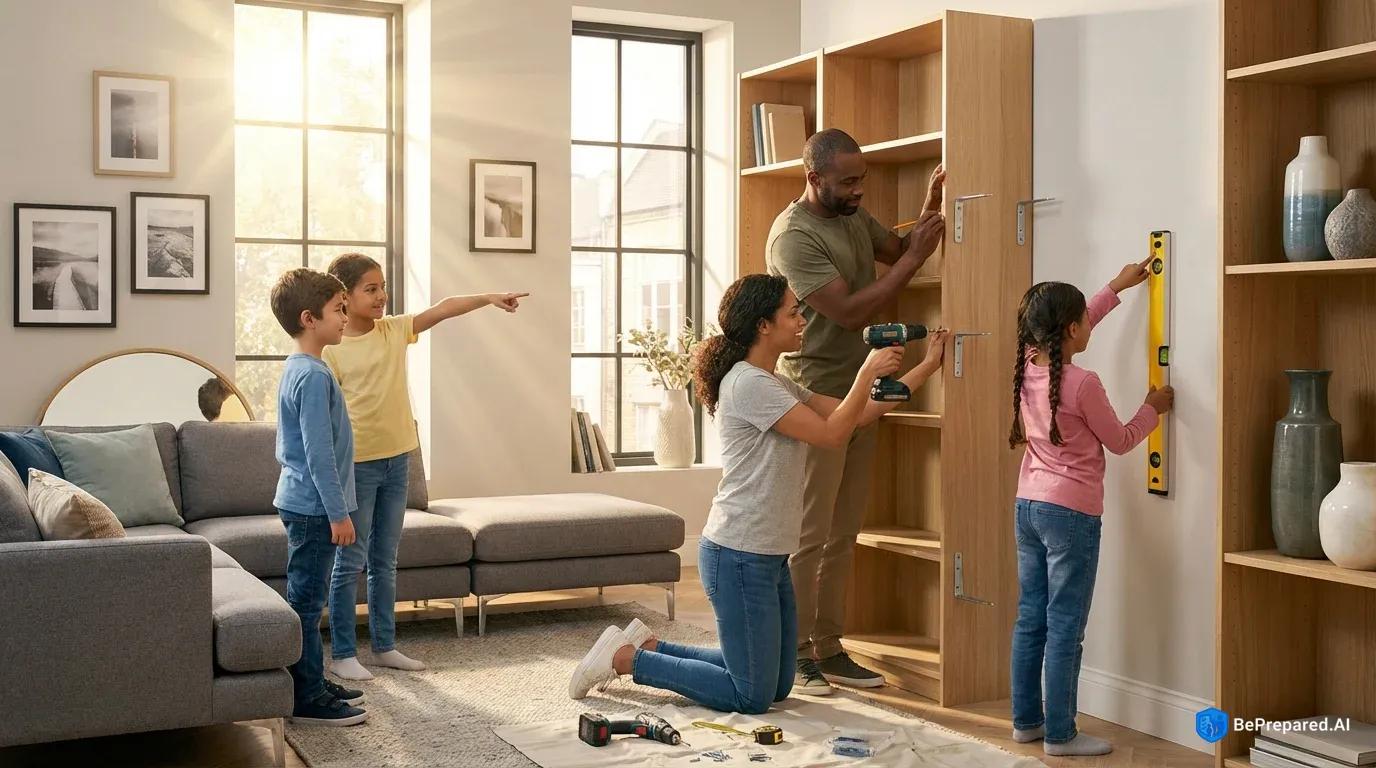
Complete Earthquake Home Safety Guide
Room-by-room walkthrough of what to secure first. The weekend project that materially reduces your household’s injury risk, done once.
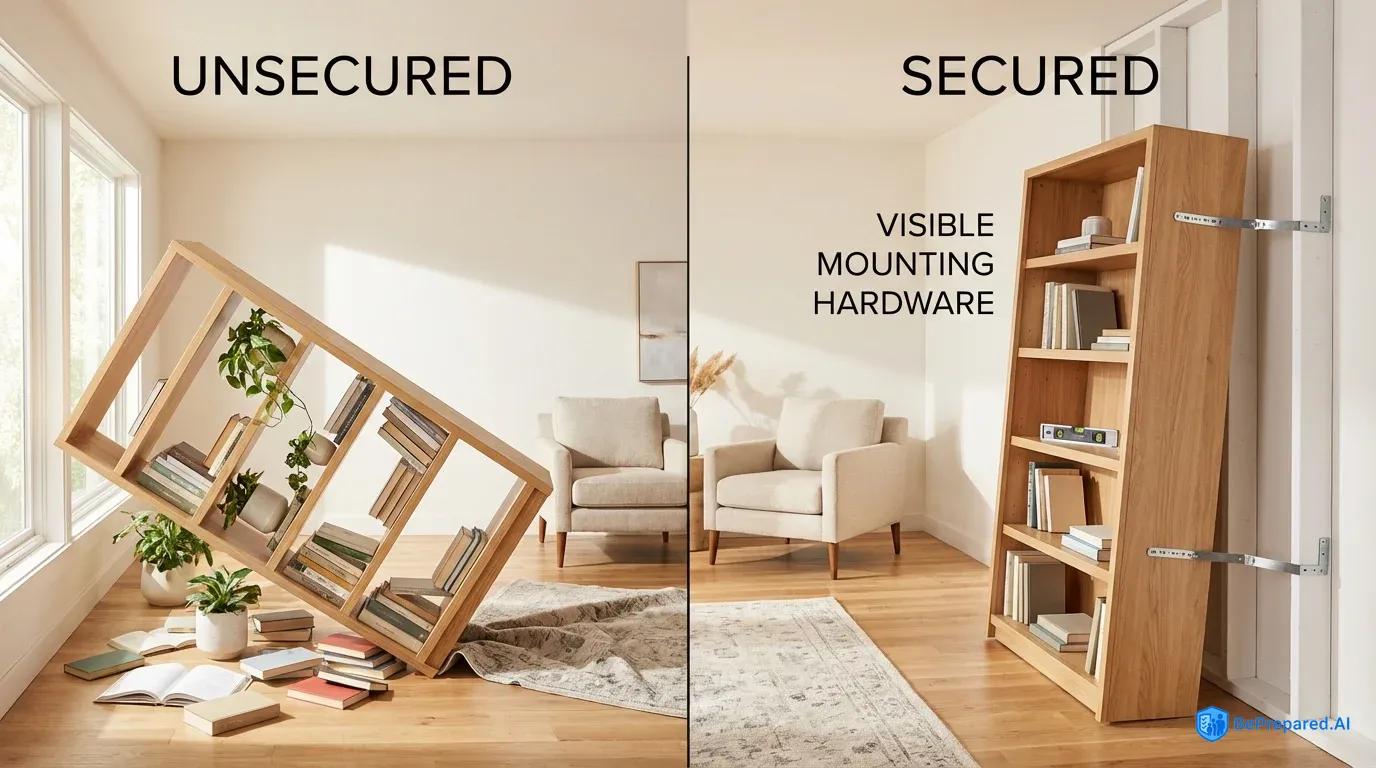
How to Secure Heavy Furniture for Earthquakes
Practical anchoring methods for bookshelves, dressers, and TVs.
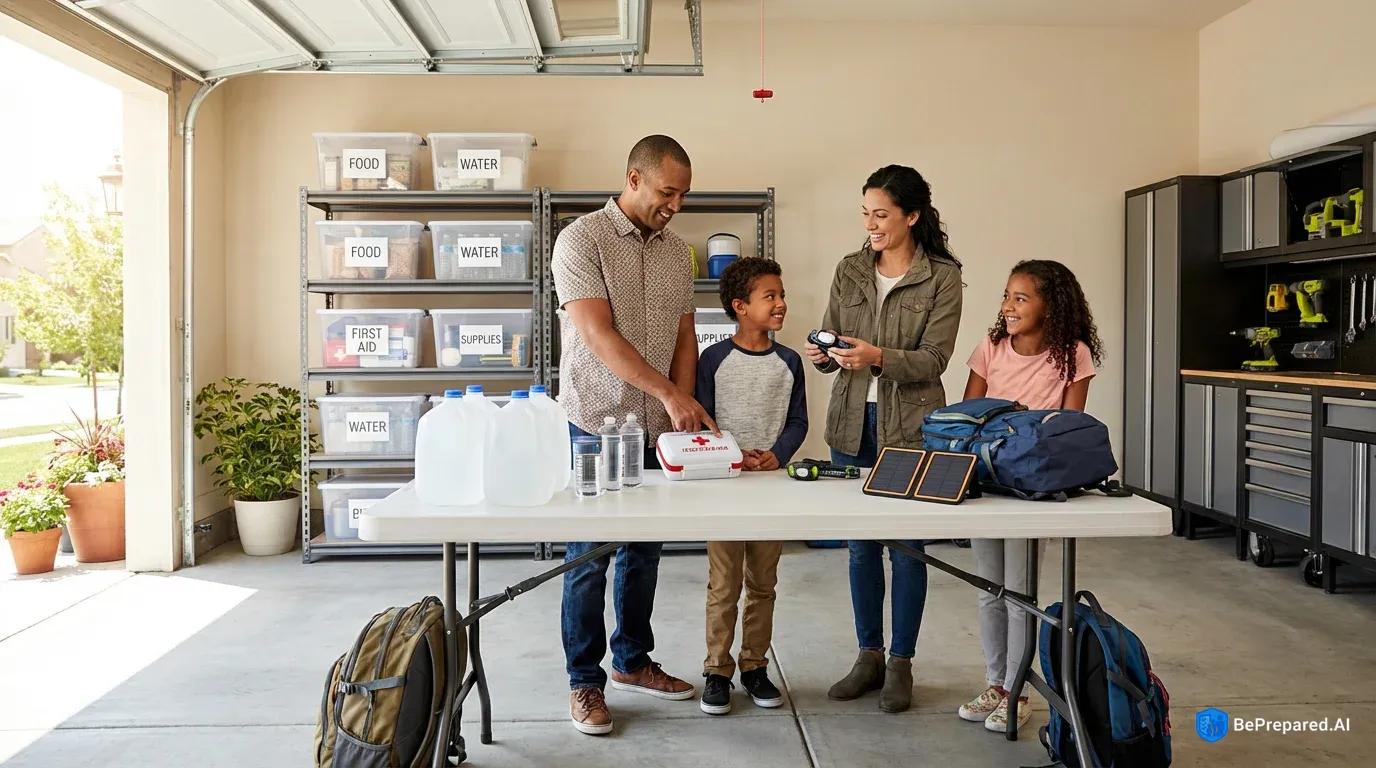
Earthquake Supply Kit Essentials
What goes into a working 7-day earthquake supply kit, item by item.
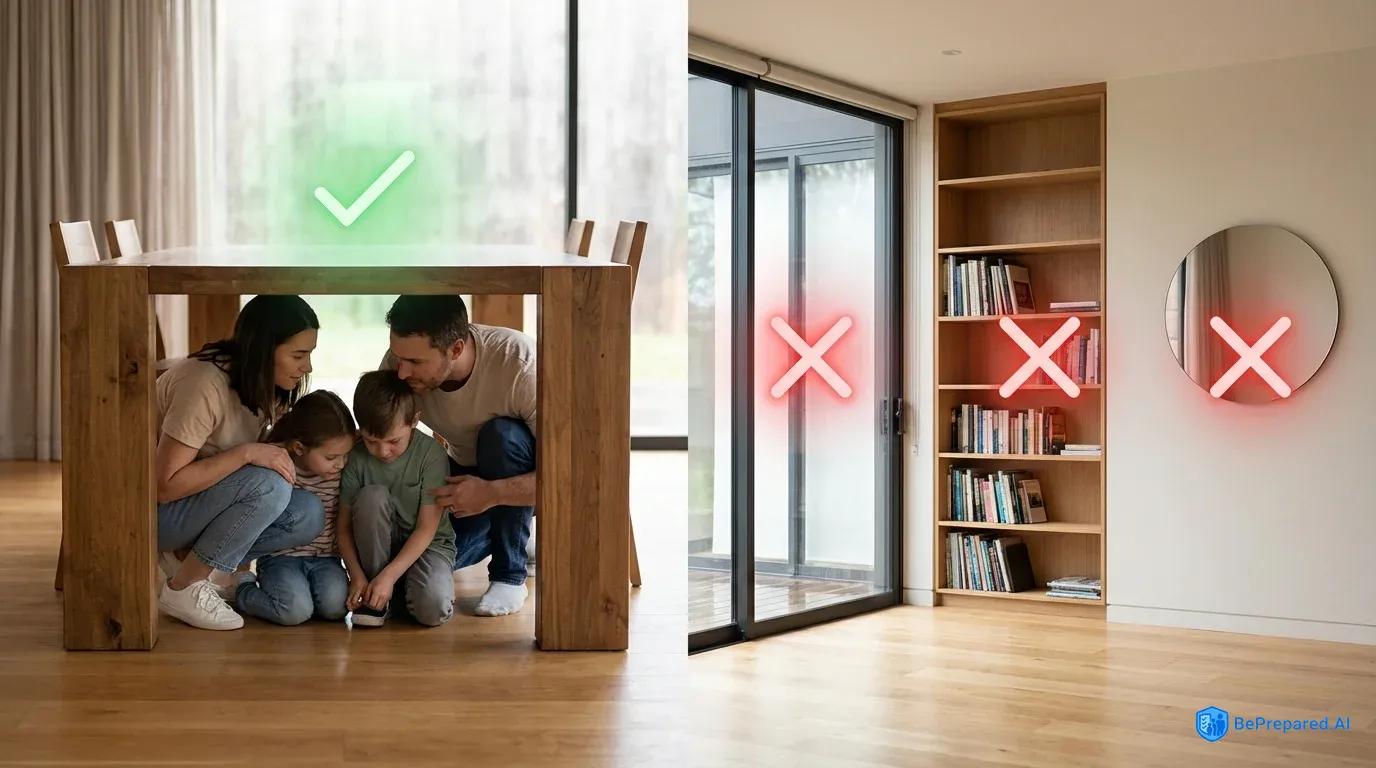
10 Earthquake-Safe Spots in Your Home
Where to take cover in each part of a typical home during shaking, with the reasoning for each spot.
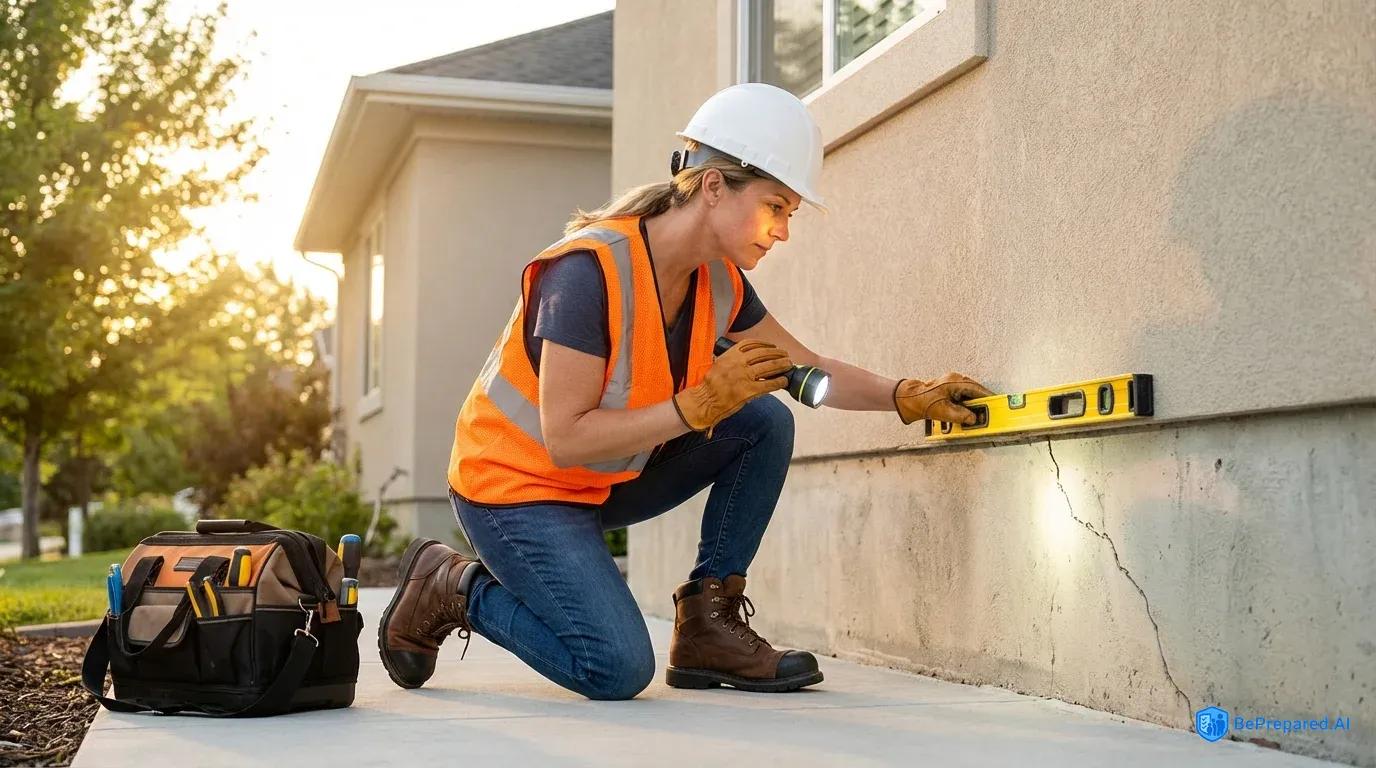
Post-Earthquake Home Inspection Guide
When to re-enter, when not to, and how to check a home for damage safely while aftershocks continue.
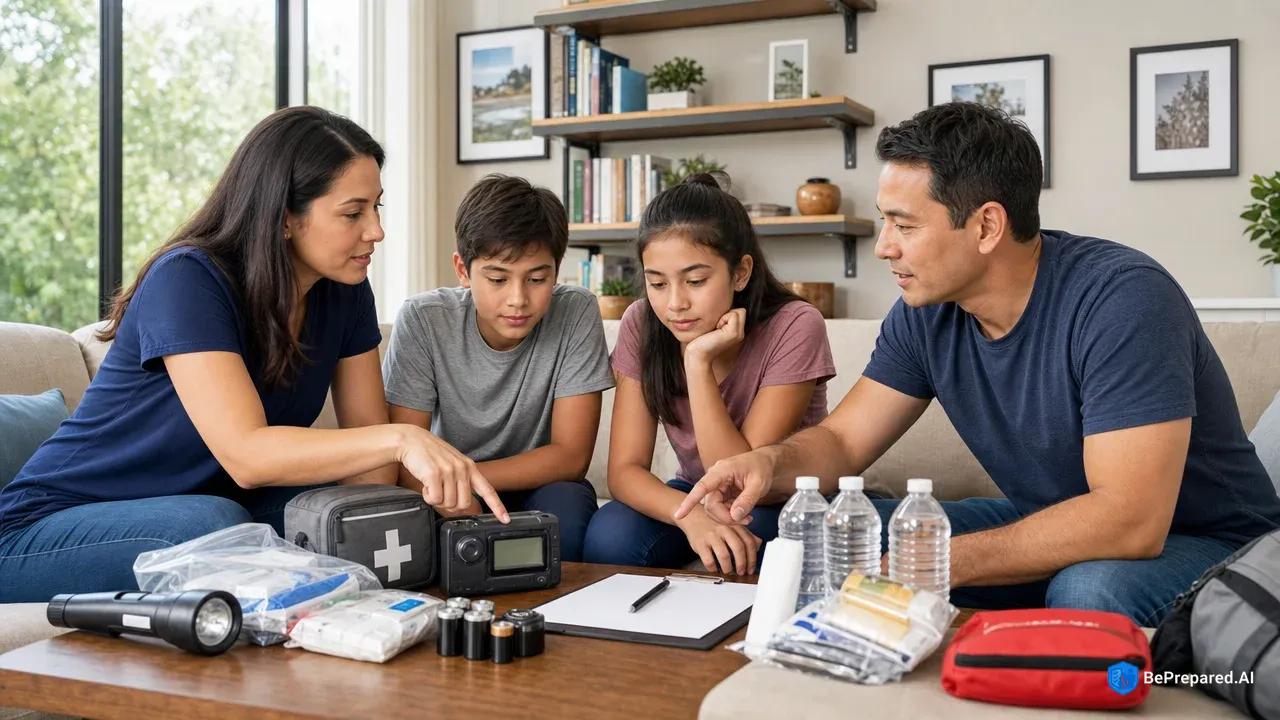
Complete Earthquake Safety and Preparedness Manual
The pillar guide: before, during, and after, from securing the house to the first week of aftershocks.
Preparedness for every season, every risk
Your address faces more than earthquakes. BeAware reports the hazards recorded near your address, BeReady writes the drop, cover and hold on steps into your household plan, BeEquipped ships an earthquake kit, and BeAdvised lets you talk it through with an expert.
See all BePrepared solutionsOr try it first: BeAware and BeReady free for 7 days, no credit card.Start my free 7-day trial