Why You Need Alternative Transportation Options During Civil Unrest
Picture this: You're watching the news, and protests have erupted downtown. Within hours, major highways are gridlocked, police have closed several routes, and gas stations have lines stretching around the block. Your usual 20-minute commute home has become impossible. This scenario plays out more often than most people realize, and those who've prepared alternative ways to move around their city have a significant advantage.
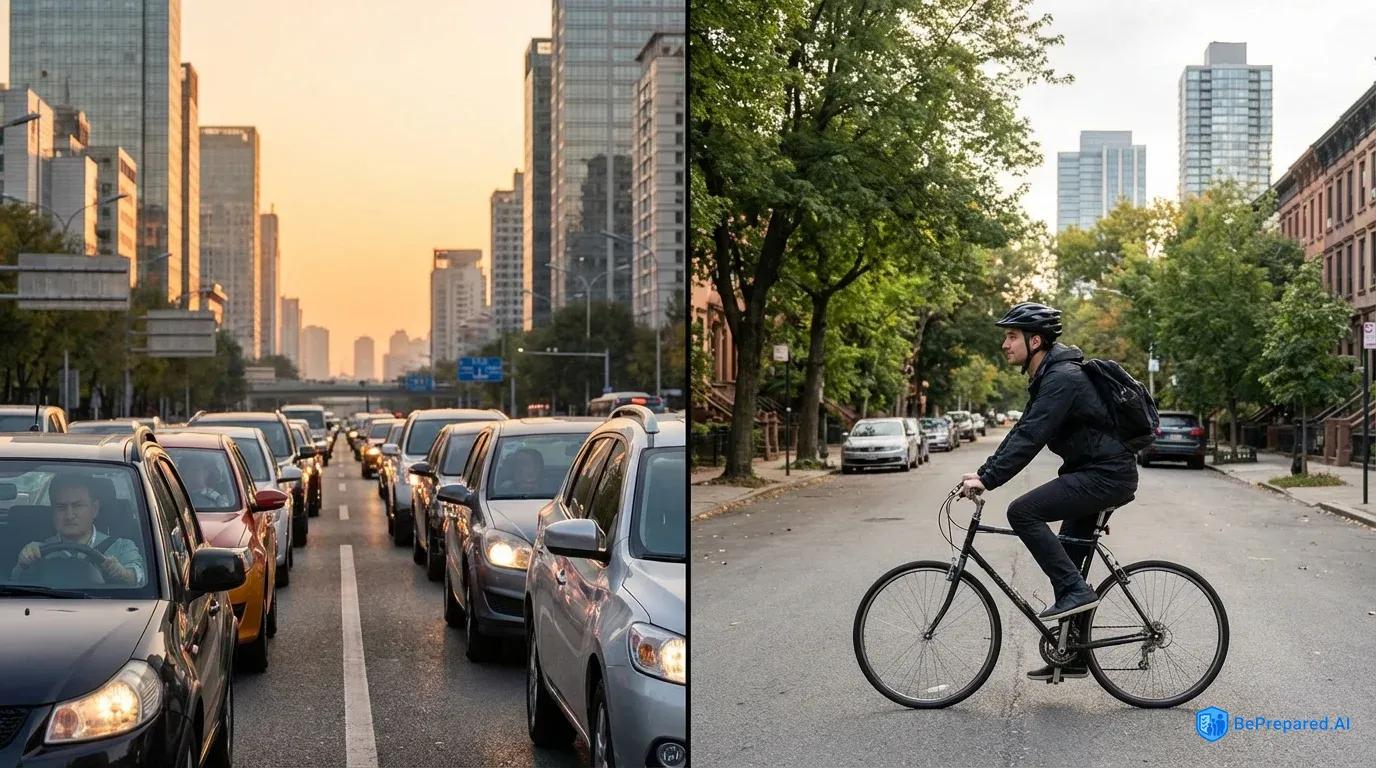
When civil unrest strikes, your car—normally your most reliable transportation—can quickly become a liability. Roads that were clear this morning might be blocked by demonstrations, police barricades, or abandoned vehicles by afternoon. Research on urban mobility during civil disruptions shows that non-motorized transport methods show 73% higher reliability during periods of urban unrest compared to conventional vehicles . The reason is simple: when streets are blocked, a bicycle can navigate through spaces a car cannot, and when fuel runs short, pedal power never does.
The challenge goes beyond just blocked roads. During periods of civil unrest, fuel availability becomes unpredictable. Gas stations may close early, run out of supply, or become focal points of congestion and conflict themselves. Traffic jams can trap vehicles for hours, leaving occupants vulnerable and exposed. Meanwhile, someone on a bicycle can take an alley, someone on foot can cut through a park, and both can change direction instantly when they encounter trouble.
Having multiple transportation options doesn't just provide convenience—it fundamentally increases your chances of getting home safely and gives you the flexibility to respond to rapidly changing conditions. The ability to switch from motorized to non-motorized transport, or to abandon one method for another, means you're never locked into a single failing strategy. This adaptability could make the difference between getting home safely or being stuck in a dangerous situation.
The good news? Building these backup options doesn't require a huge investment or complicated planning. You probably already own some of the tools you need, and the rest are straightforward to acquire and learn to use.
Basic Transportation Alternatives Everyone Should Consider
Let's talk about the workhorses of alternative transportation: bicycles and e-bikes. A quality bicycle represents one of the most versatile emergency transportation tools you can own. Unlike cars, bikes require no fuel, can navigate through tight spaces, and can be carried over obstacles when necessary. Research shows that a properly equipped bicycle can carry 2-3 days of supplies for an adult, either in panniers, a trailer, or a backpack . E-bikes offer an interesting middle ground—they provide motorized assistance when you need it but can function as regular bicycles when the battery dies. They're particularly valuable if you live in a hilly area or need to cover longer distances quickly without arriving exhausted.
The beauty of bicycles lies in their simplicity. A flat tire can be fixed in minutes with basic tools. They're quiet, drawing less attention than motorized vehicles. They can use bike paths, sidewalks, and trails that cars cannot access. During Hurricane Katrina, many people who successfully evacuated New Orleans did so on bicycles when their cars ran out of gas or became trapped in traffic. That real-world example shows how a simple bike can outperform a sophisticated vehicle when conditions deteriorate.
You don't need an expensive bicycle to start preparing. A basic, well-maintained bike from a garage sale can serve you better than an expensive model that sits unused. The key is having it ready, keeping the tires inflated, and knowing how to ride it with a load. Focus on reliability over fancy features—fewer gears and simpler components mean fewer things that can break when you need them most.
Manual scooters and skateboards occupy a different niche in your transportation toolkit. While they can't carry as much cargo as a bicycle, they excel in portability. A folding scooter can be carried into buildings, stored under a desk, or thrown into a car trunk as a backup option. They're faster than walking and require minimal maintenance. Skateboards offer similar advantages, though they demand more skill to use effectively. Both options shine in scenarios where you might need to combine different transportation methods—imagine taking a bus as far as it goes, then using a scooter to cover the final miles home.
These compact options also work well for families with children. A child who can't pedal a bicycle for miles might manage a scooter for shorter distances. Having age-appropriate options for each family member means nobody gets left behind because they can't keep up with the transportation method you've chosen.
Walking, often overlooked, deserves serious consideration as a primary alternative. With appropriate gear—sturdy shoes, a well-fitted backpack, and weather protection—you can cover surprising distances. Most people can walk at roughly three miles per hour on flat ground, meaning a 10-mile journey home takes about three to four hours. That's entirely manageable with the right preparation. Walking requires no equipment that can break down, no fuel, and no special skills. It's the ultimate backup plan because it's always available.
The key is having the right gear ready: broken-in boots, moisture-wicking socks, and a comfortable way to carry essentials make the difference between a difficult trek and an impossible one. Don't wait for an emergency to discover that your everyday shoes give you blisters after two miles. Test your walking gear on weekend hikes or long walks around your neighborhood. Your feet will thank you, and you'll build both confidence and endurance.
Safety Considerations for Each Method
Visibility versus stealth presents a critical decision you'll need to make based on your specific situation. During some emergencies, you want to be seen—reflective gear dramatically increases your visibility to drivers, reducing accident risk. Reflective vests, ankle bands, and bike lights make you obvious to traffic, which matters when navigating through chaotic streets where drivers are distracted or panicked. However, other situations call for a low profile. In scenarios where drawing attention could make you a target, you'll want dark, non-reflective clothing and the ability to move quietly.
Smart preppers maintain both options in their emergency kit and make the visibility decision based on current conditions. A reversible jacket with a reflective side and a dark side gives you flexibility. Clip-on reflectors can be added or removed as needed. Think through what makes sense for your specific route and situation—busy intersections might require visibility, while cutting through residential areas might call for discretion.
Load carrying capacity varies dramatically between methods and directly impacts both your safety and effectiveness. Bicycles with panniers or trailers can typically handle substantial loads when properly equipped, but how you distribute that weight matters enormously. Weight should be low and centered, with heavier items near the bike's center of gravity. Proper loading techniques can significantly reduce your risk of accidents and injuries.
Backpack-based systems for walking or scootering generally work best with lighter loads, typically under 25-30 pounds for most people. Beyond that weight, you risk back strain and fatigue that could leave you vulnerable. E-bikes can handle similar loads to regular bicycles but remember that extra weight drains batteries faster, potentially leaving you with a heavier-than-normal bike to pedal.
The way you distribute weight matters as much as the total amount. A poorly balanced load creates instability, slows you down, and increases the chance of accidents. Practice carrying your planned load before an emergency strikes—you'll quickly discover what works and what needs adjustment. Try a practice run with a full backpack or loaded bike panniers. You might find that rearranging items or leaving some things behind makes the journey much easier.
Weather considerations can transform a viable transportation method into a dangerous liability. Rain makes roads slippery, reducing bicycle stopping distances and making falls more likely. Cold weather demands layered clothing that doesn't restrict movement—you'll generate heat while cycling or walking, so what feels warm standing still might leave you overheated and sweaty during exertion. Wind affects bicycles and scooters more than walking, potentially making them unstable or exhausting to use.
Heat presents its own challenges: dehydration, exhaustion, and heat stroke become real risks during long-distance walking or cycling in summer conditions. Plan for one water bottle per hour of travel in hot weather, and know the signs of heat exhaustion. Dizziness, excessive sweating, or nausea mean you need to stop, find shade, and hydrate immediately.
Smart preppers keep weather-appropriate gear with each transportation option. A waterproof jacket and pants for your bicycle kit. Sun protection and extra water for hot weather. Gloves and face protection for cold. The gear doesn't help if it's sitting at home when you need it, so store it with your transportation equipment where you can grab it quickly. A small stuff sack attached to your bike or kept with your walking shoes ensures you always have the basics ready.
Planning Your Alternative Routes
Step 1: Map your primary routes and identify vulnerabilities. Start with your most common trips—home to work, home to school, home to family members' houses. Use both digital maps and physical maps (because your phone might die or lose service). Mark major roads, highways, and chokepoints. These are exactly the locations that become impassable first during civil unrest.
Bridges, highway on-ramps, major intersections, and downtown areas tend to concentrate both protesters and police responses. Studies of urban disruptions show that bicycle and pedestrian corridors remained functional in 92% of studied disruption scenarios , making them far more reliable than vehicle routes. Look at your map and circle every bridge, major intersection, and highway entrance you'd normally use—these are your vulnerability points.
Step 2: Identify alternative paths using quiet streets, bike paths, and green spaces. This is where non-motorized transportation truly shines. Look for residential streets that parallel major roads. Find bike paths, rail trails, and greenways that cut through your city. Parks often have paths that connect to surrounding neighborhoods. Alleys, while sometimes sketchy, can provide through-routes when main streets are blocked.
Your alternative routes should avoid obvious flashpoints: government buildings, police stations, shopping districts where looting might occur, and major gathering spaces. Mark at least three different ways to reach each important destination. Think creatively—that creek-side trail you use for jogging might connect neighborhoods in ways roads don't. The old railroad right-of-way might provide a car-free corridor across town.
Step 3: Scout routes in person and note critical details. Digital maps don't show you everything. That bike path might have stairs or a locked gate. That alley might be a dead end. The "road" might actually be a steep gravel trail. Physical scouting reveals these details.
Note water sources, safe buildings where you could shelter if needed, and potential hazards. Look for places where you might need to carry a bicycle or where a scooter becomes impractical. Take photos and notes, then mark up your physical map with this real-world intelligence. Pay attention to lighting—a route that feels safe at noon might be uncomfortably dark at night. Notice which businesses have public restrooms, which parks have water fountains, and which areas have good cell phone reception.
Step 4: Practice your routes under various conditions. This step separates those who survive emergencies from those who struggle. Regular practice runs help you identify problems before they become critical and build the muscle memory and confidence you'll need during a real emergency. Try your routes at different times of day—that quiet street at 2 PM might be clogged with school traffic at 3:30 PM.
Practice in different weather conditions when safe to do so. Time yourself so you know realistic travel durations. Carry the gear and supplies you'd actually bring during an emergency to understand the physical demands. Each practice run teaches you something: a shortcut you missed, a hill that's harder than it looked, a route that takes twice as long as expected. These lessons are valuable when learned during practice rather than during a real emergency.
Make practice enjoyable rather than treating it like a chore. Turn it into a family bike ride with a picnic at the end. Use it as your weekend exercise routine. The more naturally these routes become part of your regular life, the more automatic they'll be when stress levels are high.
Step 5: Share your plans with family members and create communication protocols. Everyone in your household should know the alternative routes and understand which transportation methods to use under different scenarios. Establish meeting points along routes in case you get separated. Agree on communication methods if cell service fails.
Practice these plans together at least twice a year, treating it as a family bike ride or walk rather than a grim drill. Make it fun—pack snacks, take photos at landmarks, time each other on different segments. Kids who've practiced the route will remember it better and feel less scared if they ever need to use it for real. Discuss what to do if someone gets a flat tire, if weather turns bad, or if a planned route is blocked.
Taking Your First Steps
Building alternative transportation options doesn't mean buying everything at once or mastering every skill immediately. Start small and build from there. The goal is progress, not perfection.
Begin by mapping three alternative routes from your home today. Choose your most important destination, pull out a map, and spend 30 minutes identifying paths that avoid major roads. That simple action begins your preparation and might prove invaluable when normal routes fail. You don't need special software or training—a free online map and a notepad are enough to start.
Next, assess what you already own. Do you have a bicycle in the garage that needs air in the tires? A pair of comfortable walking shoes? A backpack that could carry essentials? Start with what you have rather than what you think you need to buy. Test your current gear on a short practice run this weekend. You'll quickly learn what works and what needs improvement.
Remember, the people who navigate emergencies successfully aren't necessarily the ones with the most gear or the most elaborate plans. They're the ones who took simple, practical steps before the emergency happened. They're the ones who practiced enough to feel confident. They're the ones who thought through their options and made basic preparations.
You're joining their ranks right now, one simple step at a time. That's something to feel good about.