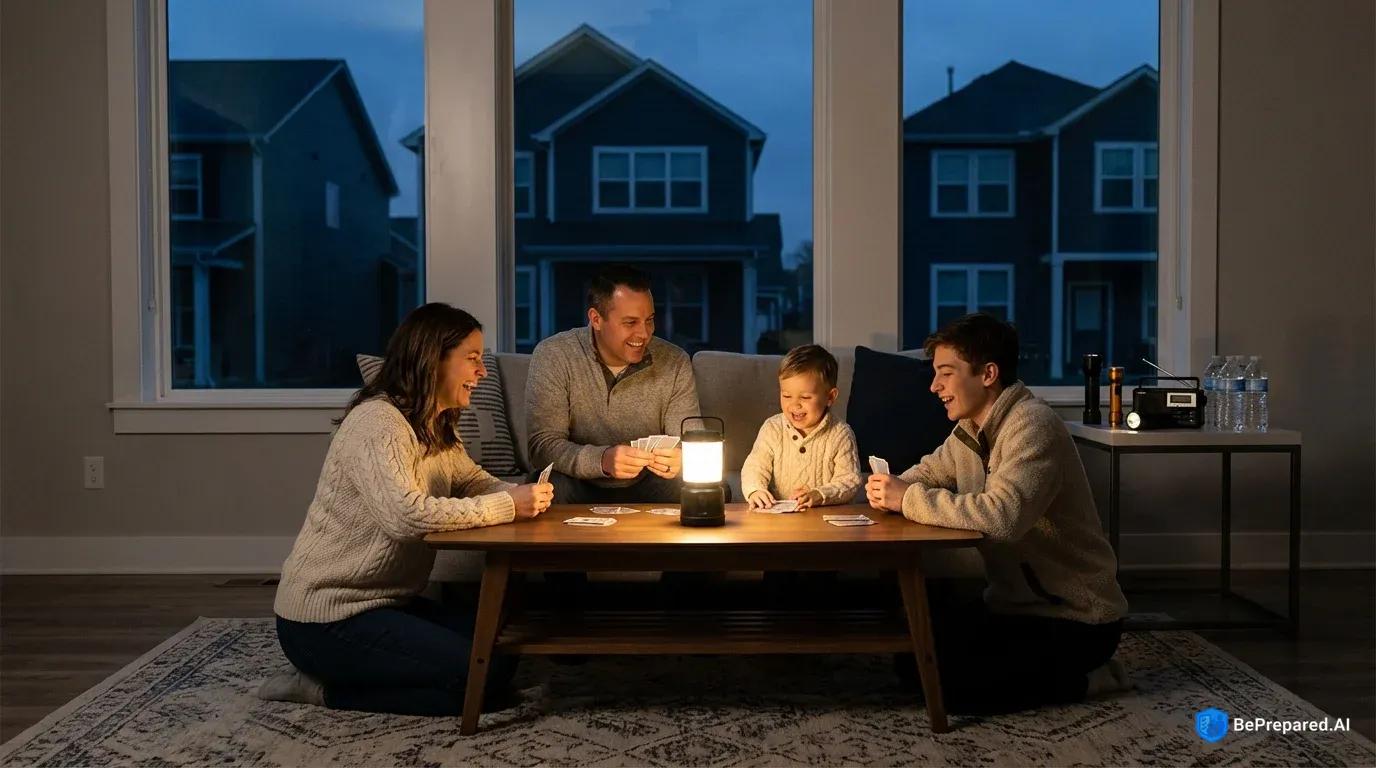
Understanding Power Outage Risks and Impact
The lights flicker once, twice, then everything goes dark. Your refrigerator stops humming, the Wi-Fi router goes silent, and suddenly you're reaching for your phone's flashlight. If you're like most Americans, this scenario happens more often than you'd think. While these interruptions might seem like minor inconveniences, understanding what causes them and how they affect your home can make the difference between a manageable situation and a genuine emergency.
Power outages happen for countless reasons, and each type brings its own challenges. Summer thunderstorms can knock down power lines in minutes, while winter ice storms might leave entire neighborhoods dark for days. Sometimes it's something as simple as a car accident taking out a utility pole, or as complex as rolling blackouts during periods of extreme demand. Equipment failures, aging infrastructure, and even squirrels getting into transformers (yes, really) all contribute to the grid's vulnerability.
Here's the good news: you don't need to prepare for a year-long disaster. Most outages resolve fairly quickly, meaning your preparation efforts typically need to carry you through a relatively short period. Think of it as a manageable challenge rather than an overwhelming crisis.
The immediate effects are obvious—no lights, no internet, no television. But the longer-term impacts reveal which household systems are truly vulnerable. Your refrigerator and freezer become ticking clocks, racing against rising temperatures. If you rely on an electric well pump, your water supply disappears. Heating and cooling systems fail, which can quickly become dangerous during extreme weather. Medical equipment that requires electricity puts vulnerable family members at risk. Sump pumps stop working, potentially leading to flooding. Understanding these cascading effects helps you prioritize what to protect and prepare for first.
The reality is that modern homes depend on electricity for almost everything. Once you recognize these dependencies, you can tackle them one at a time. You don't need to solve everything at once—just start with the basics.
- LED Flashlights
- 3 per household - battery-powered with extra batteries
- Water Bottles
- 1 gallon per person per day, 3-day supply minimum
- Battery Radio
- 1 portable AM/FM radio for emergency updates
- Power Banks
- 2 fully-charged portable chargers for phones
- First Aid Kit
- 1 basic kit with bandages, antiseptic, and medications
- Non-perishable Food
- 3-day supply of ready-to-eat canned goods per person
Essential Preparations Before Power Loss
Think of power outage preparation like packing for a camping trip inside your own home. You'll need to survive comfortably without the modern conveniences you normally take for granted, and the time to gather supplies is definitely before the lights go out.
Start by assembling a basic emergency kit that can sustain your household for at least three days. Stock items that don't require cooking or refrigeration: canned goods with pull-top lids, protein bars, dried fruit, nuts, peanut butter, and crackers. Don't forget a manual can opener if your canned goods need one. For water, plan on one gallon per person per day for drinking and sanitation . This might seem excessive until you consider how much water you actually use for hand washing, teeth brushing, and basic hygiene beyond just drinking.
Building this kit doesn't need to happen overnight. Pick up a few extra items each time you shop. Before you know it, you'll have everything you need without the stress of a massive shopping trip.
Your emergency kit should also include multiple light sources with backup batteries. Flashlights are essential—keep one in every bedroom and major living area. LED lanterns provide safe, efficient emergency lighting for up to 100 hours , making them excellent additions to your kit. A battery-powered radio provides critical emergency updates when your phone's battery dies and cell towers might be overwhelmed or offline. Include a first aid kit, any prescription medications your family needs, and basic supplies like toilet paper, hand sanitizer, and garbage bags.
If you have infants, elderly family members, or anyone with special medical needs, their supplies get top priority: baby formula, diapers, extra medication, or backup power for medical devices. Write these items down first, then work backward to the general supplies everyone needs.
Documentation matters more than most people realize. Create a communication plan that everyone in your household understands. Write down important phone numbers—don't rely on your phone's contact list when the battery dies. Know how to reach your utility company to report outages and get restoration estimates. Keep copies of insurance policies, medical information, and emergency contacts in a waterproof container. Designate an out-of-state contact person who can serve as a central communication point if local networks are overwhelmed.
These paper backups take just an hour to organize, but they provide peace of mind that lasts for years. Plus, updating them annually gives you a chance to review and refresh your entire preparedness plan.
Use the winter power outage essentials checklist to start preparing and spot gaps.
Consider your home's specific vulnerabilities. If you have a garage door opener, know how to manually release it—being trapped inside or locked out creates unnecessary complications. Identify which neighbors might need help, especially elderly residents or those with disabilities. Program your utility company's outage hotline into your phone. These small preparations, done during calm moments, prevent panic when darkness falls unexpectedly.
Walk through your home right now and make a mental note of what would stop working. That simple exercise reveals exactly what you need to prepare for, without any guesswork.
Immediate Actions When Power Goes Out
The moment the power cuts out, resist the urge to immediately check every light switch in your house. Instead, take a systematic approach that protects both your safety and your belongings.
First, conduct a quick safety check. Verify that the outage isn't just affecting your home—look outside to see if your neighbors' lights are also out. If you're the only dark house on the block, you might have a tripped circuit breaker or another issue requiring different action. Once you've confirmed it's a broader outage, turn off or unplug major appliances and electronics. When power returns, the sudden surge can damage sensitive equipment like computers, televisions, and microwave ovens.
Leave one light switch in the "on" position so you'll know when power is restored, but protect everything else from potential surges. This simple step can save you hundreds of dollars in replacement costs.
Your refrigerator and freezer require immediate attention, but not in the way you might think. The best thing you can do is nothing—specifically, keep those doors closed. A refrigerator maintains safe temperature for 4 hours if unopened , while frozen food lasts 24-48 hours in a full freezer . Every time you open the door to grab something, you're releasing precious cold air and shortening that window.
Before the outage extends beyond a few hours, group refrigerated items together so they help keep each other cool. If you have advance warning of severe weather, freeze containers of water to create extra ice that extends your freezer's safe zone. These ice blocks do double duty—they keep food cold and provide drinking water as they melt.
Contact your utility company to report the outage if you haven't already. Many companies now offer automated systems or apps that let you report and track restoration progress. Knowing the estimated restoration time helps you make informed decisions about whether to stay put or seek alternative accommodations. Check on neighbors, especially those who might be particularly vulnerable during an outage—elderly residents, families with young children, or anyone you know relies on electrically-powered medical equipment.
A quick text or knock on the door can make a huge difference for someone who might be struggling. Community support turns a stressful situation into a shared experience where everyone looks out for each other.
Staying Safe Without Power
The Martinez family learned about carbon monoxide the hard way. During a winter ice storm that knocked out power for three days, they brought their portable propane heater inside from the garage, thinking they were being resourceful. By the second night, everyone had splitting headaches and nausea. Fortunately, a neighbor with a working carbon monoxide detector came to check on them and immediately recognized the symptoms. The Martinezes were lucky—carbon monoxide poisoning can increase during power outages, and many families aren't as fortunate.
This story illustrates the most critical safety principle during power outages: desperation can lead to deadly decisions. Never use generators, camp stoves, charcoal grills, or other fuel-burning devices indoors or in enclosed spaces like garages, even with windows open. Carbon monoxide is odorless and invisible, and it kills quickly.
Generator safety deserves special attention because improper use causes many power outage injuries and deaths. If you do use a generator, place it at least 20 feet from your home with the exhaust directed away from windows and doors. Run extension cords from the generator to your appliances rather than bringing the generator closer to your house. The noise and fumes might seem inconvenient, but they're signs that the device is working—and those exhaust fumes contain deadly carbon monoxide.
Never plug a generator directly into a wall outlet, which can backfeed electricity into power lines and electrocute utility workers trying to restore service. If you want a permanent generator solution, hire a licensed electrician to install a transfer switch. Yes, it costs more upfront, but it's the only safe way to connect a generator to your home's electrical system.
For safe heating alternatives during cold weather outages, focus on insulation and layering. Close off rooms you're not using to concentrate warmth in a smaller space. Hang blankets over windows to reduce heat loss. Dress in layers, starting with moisture-wicking base layers and adding insulation. Your body generates heat—don't waste it.
If you have a fireplace, use it only if the chimney is clear and you have proper ventilation. Never burn anything except seasoned firewood, and keep a working fire extinguisher nearby. Burning trash, cardboard, or treated wood releases toxic fumes and creates dangerous creosote buildup in your chimney.
During summer outages, heat becomes the enemy instead of the cold. Stay hydrated by drinking water regularly, even if you don't feel thirsty. Move to the coolest part of your home, usually the basement or lowest floor. Wear light-colored, loose-fitting clothing. Use battery-powered fans if you have them. Avoid using the stove or oven, which adds heat to your home. Take cool showers or baths if you have water available.
Know when to evacuate. If temperatures inside your home become dangerous—either too hot or too cold—and you can't maintain safe conditions, it's time to leave. Seek warming or cooling centers that communities often open during extended outages. If you or family members show signs of hypothermia (shivering, confusion, drowsiness) or heat exhaustion (excessive thirst, dizziness, nausea), don't wait—get to a safe environment immediately.
Similarly, if you rely on electrically-powered medical equipment and backup batteries are running low, evacuate to a location with power before the situation becomes critical. Pride isn't worth risking your health or safety. Hotels, community centers, and even shopping malls can provide temporary refuge during extended outages.
Food safety becomes a concern after the first few hours. Use a thermometer to check your refrigerator temperature. If it rises above 40°F for more than two hours, perishable foods like meat, poultry, seafood, milk, and eggs should be discarded. When in doubt, throw it out—foodborne illness isn't worth the risk of saving a few dollars in groceries.
Your freezer provides more leeway. If frozen food still contains ice crystals or feels as cold as if refrigerated, you can safely refreeze it. However, if meat or poultry has reached room temperature, discard it. Keep a list of what you're throwing away for insurance purposes if the outage was caused by a covered event.
Moving Forward With Confidence
The safest power outage is the one you're prepared for. By understanding the risks, preparing in advance, taking smart immediate actions, and prioritizing safety over convenience, you transform a potentially dangerous situation into a manageable inconvenience.
Start small if the full preparation list feels overwhelming. This week, buy a flashlight and extra batteries. Next week, add some shelf-stable food to your pantry. The week after that, fill a few water containers. Breaking the process into bite-sized tasks makes it achievable rather than intimidating.
Your future self, sitting comfortably with a flashlight and a good book while the storm rages outside, will thank you for the preparation you're doing today. Power outages don't have to mean panic, chaos, or danger. With just a little planning, they become nothing more than an unexpected break from the digital world—a chance to slow down, reconnect with family, and appreciate the simple things.
Remember, you're not preparing for the end of the world. You're just making sure your family stays safe, comfortable, and calm when the lights go out. That's not paranoia—that's just good sense.