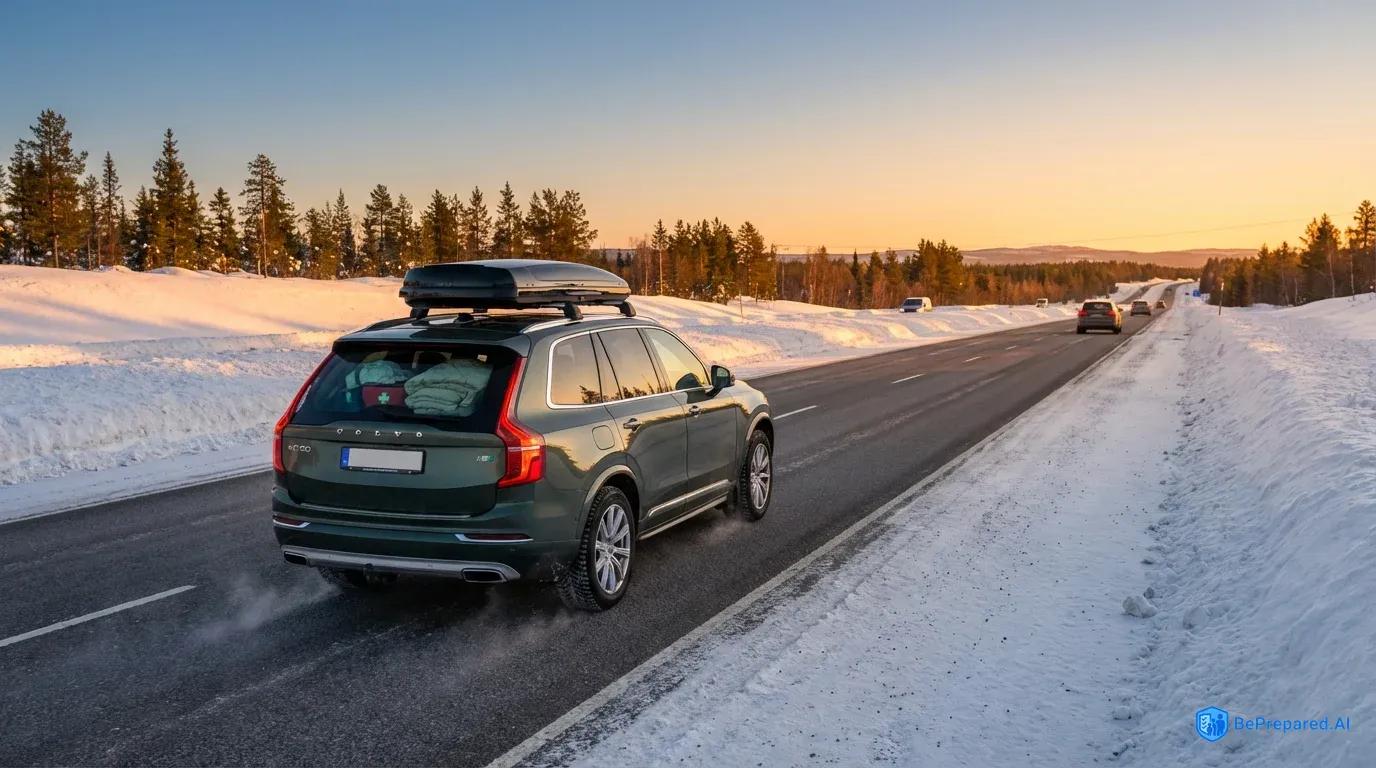
Understanding Winter Vehicle Risks
The call came in at 2:47 AM on a February night in Montana. A family of four, stranded in their sedan fifteen miles from the nearest town, had been sitting in sub-zero temperatures for six hours. Their fuel tank had run dry, the heater had stopped, and their cell phone was down to 3% battery. They'd made a simple mistake—assuming a quick trip to visit relatives wouldn't require winter preparation. This scenario plays out hundreds of times each winter across North America, often with tragic consequences.
According to the National Weather Service, 70% of winter weather-related deaths occur in automobiles . This statistic might seem shocking until you consider how vulnerable vehicles become in extreme conditions. A car that feels like a protective metal shell in summer transforms into a potential death trap when temperatures plummet and storms rage. The scenarios leading to these emergencies aren't always dramatic whiteouts or blizzard conditions. Sometimes it's as simple as a routine commute that turns dangerous when an unexpected storm rolls in, or a minor mechanical failure that becomes life-threatening in freezing temperatures.
Your vehicle faces extraordinary challenges in winter conditions that most drivers underestimate. Battery power can drop by as much as 50% in extreme cold, according to AAA research . That reliable engine that starts effortlessly in July might refuse to turn over when you need it most in January. Engine oil thickens, fuel lines can freeze, and tire pressure drops significantly with every degree the temperature falls. These aren't just inconveniences—they're potential survival threats when you're miles from help.
The critical difference between those who survive winter vehicle emergencies and those who don't often comes down to one factor: advance preparation. The families who make it through a night stranded in their car are the ones who took winter seriously before leaving their driveway. They understood that every trip during winter months carries inherent risk, whether it's a cross-country journey or a five-mile drive to the grocery store. Weather conditions can deteriorate in minutes, and the margin for error shrinks dramatically when freezing temperatures enter the equation.
- Emergency Kit Validation
- Verify jumper cables, flashlight, blanket, shovel, traction aids, first aid kit. Replace expired items.
Essential Vehicle Winterization Steps
Preparing your vehicle for winter isn't a single afternoon project—it's a systematic approach to ensuring every critical system can handle extreme conditions. Start this process in early fall, well before the first serious cold snap arrives. Waiting until you're scraping frost off your windshield means you've already waited too long.
Battery Maintenance and Testing
Begin with your battery, the heart of your vehicle's starting system. Take your vehicle to an auto parts store or mechanic for a professional load test. This test measures not just the current charge, but the battery's ability to hold that charge under stress. A battery that shows 12.6 volts sitting in your garage might fail catastrophically when asked to start a cold engine at 10 degrees Fahrenheit.
If your battery is more than three years old, consider replacement rather than gambling on another winter. Clean the battery terminals with a wire brush and baking soda solution, removing any corrosion that could impede electrical flow. Apply a thin layer of petroleum jelly to the terminals after cleaning to prevent future corrosion. Check that the battery is securely mounted—vibration from loose mounting can shorten battery life significantly.
Fluid Levels and Winterization
Move next to your vehicle's fluids, each playing a crucial role in winter operation. Your antifreeze mixture should be tested with a hydrometer to ensure it provides protection to at least -30 degrees Fahrenheit. Most manufacturers recommend periodic coolant changes to maintain protection levels, but if you're uncertain about your coolant's age or condition, replace it before winter . A 50/50 mixture of antifreeze and water typically provides adequate protection for most climates, but consult your owner's manual for manufacturer recommendations.
Switch to winter-weight oil if you live in an area with sustained temperatures below freezing. Modern synthetic oils flow better in cold temperatures than conventional oils, making cold starts easier on your engine. Your owner's manual will specify the appropriate viscosity range—typically something like 5W-30 or 0W-20 for winter conditions. The "W" stands for winter, and the lower that first number, the better the oil flows when cold.
Don't overlook windshield washer fluid. Switch to a winter formula rated to -20 or -30 degrees Fahrenheit. Summer washer fluid will freeze solid in your reservoir and lines, leaving you unable to clear road salt and slush from your windshield at the worst possible moment. Fill the reservoir completely—you'll use far more washer fluid in winter than any other season.
- Backup Systems Matrix
- Cross-referenced chart of alternative communication methods when primary systems fail, including offline capabilities
- Device Battery Management
- Best practices for extending device life including power-saving modes, charging cycles, and storage conditions
- Emergency Protocol Flowchart
- Decision tree for selecting appropriate communication methods based on scenario severity and available infrastructure
Tire Requirements and Performance
Tires deserve special attention because they're your only contact with the road surface. Winter tires can provide significantly more traction than all-season tires in snow and ice conditions . This isn't marketing hype—it's physics. Winter tires use softer rubber compounds that remain flexible in freezing temperatures, and their tread patterns are specifically designed to bite into snow and channel away slush.
Tires should have at least 3/32-inch tread depth for adequate traction in snow . Use the penny test to check tread depth: insert a penny into the tread with Lincoln's head upside down. If you can see the top of Lincoln's head, your tread is too shallow for safe winter driving. If you live in an area with regular winter storms, winter tires aren't optional equipment—they're essential survival gear.
Check tire pressure weekly during winter months. Temperature changes affect tire pressure, causing it to drop as the mercury falls. Underinflated tires reduce traction, increase stopping distances, and wear unevenly. Keep your tires inflated to the pressure specified on the sticker inside your driver's door jamb, not the maximum pressure listed on the tire sidewall.
If you travel mountain roads or face severe winter conditions, carry tire chains and practice installing them before you need them in a storm. Modern cable chains are easier to install than traditional link chains, but they still require practice. Attempting to figure out chain installation for the first time while kneeling in snow on the side of a mountain pass is a recipe for frustration and frostbite.
Brake System Inspection
Have your brake system professionally inspected before winter arrives. Winter driving demands more frequent braking and longer stopping distances. Worn brake pads, contaminated brake fluid, or compromised brake lines become exponentially more dangerous on ice and snow. A brake inspection is relatively inexpensive insurance against a potentially catastrophic failure when you need stopping power most.
Building Your Winter Vehicle Emergency Kit
Your vehicle emergency kit serves as your survival insurance policy—you hope never to need it, but when you do, it can mean the difference between discomfort and disaster. Build this kit with the understanding that you might need to survive in your vehicle for 72 hours in sub-zero temperatures, far from any assistance. That scenario might seem extreme, but winter storms regularly strand travelers for days on remote highways.
Warmth and Shelter Supplies
Start with items that keep you warm when your engine can't run:
- Heavy wool blankets or sleeping bags rated to at least 0 degrees Fahrenheit (one per passenger)
- Extra winter clothing including insulated gloves, wool socks, winter hats, and hand warmers
- Emergency space blankets (mylar blankets that reflect body heat)
- Portable propane heater designed for indoor use (Mr. Heater Buddy or similar) with extra fuel canisters
- Foam sleeping pads or cardboard to insulate bodies from cold seats and floors
Food and Water Provisions
A three-day food and water supply should be standard in your winter vehicle kit . Store water in smaller bottles rather than gallon jugs—they're less likely to freeze solid, and if they do freeze, they'll thaw faster. Include high-calorie, non-perishable foods that don't require cooking: energy bars, nuts, dried fruit, jerky, and chocolate.
Your body burns significantly more calories trying to stay warm in cold conditions, so calorie-dense foods are essential. Rotate these supplies every six months to ensure freshness. Mark your calendar with rotation dates so you don't forget this critical maintenance task.
Vehicle Operation and Repair Tools
Pack tools that help you get moving again or maintain your vehicle during an extended stay:
- Jumper cables or portable jump starter with full charge (check monthly)
- Ice scraper and snow brush with extendable handle
- Small shovel (folding military-style shovels work well)
- Bag of sand, salt, or kitty litter for traction under tires
- Basic tool kit including screwdrivers, pliers, adjustable wrench
- Duct tape and zip ties for emergency repairs
- Tire pressure gauge and 12-volt air compressor
Signaling and Communication Equipment
Make sure rescuers can find you:
- LED emergency flares (visible for up to one mile in snow conditions and won't blow out in wind)
- Bright orange or red cloth to tie to antenna or hang from window
- Whistle for attracting attention
- Flashlight with extra batteries (or hand-crank emergency flashlight)
- Reflective warning triangles
- Fully charged backup battery pack for phones (5000+ mAh capacity)
Safety and First Aid
Round out your kit with medical and safety essentials:
- Comprehensive first aid kit with cold-weather specific items
- Prescription medications (at least 3-day supply)
- Fire extinguisher (5-lb ABC-rated)
- Multi-tool or knife
- Waterproof matches and candles in metal container
Store all these items in a plastic bin with a secure lid to keep everything organized and protected from moisture. Keep the bin in your trunk or cargo area where it won't shift during normal driving but remains accessible if you're stranded.
Use the winter car emergency kit checklist.
Survival Strategies If Stranded
The moment you realize you're stranded in winter conditions, your decisions in the next few minutes will largely determine your outcome. Panic is your first enemy—it clouds judgment and wastes energy you'll need for survival. Take a deep breath, assess your situation methodically, and implement a survival strategy based on sound principles.
The Critical Stay-With-Vehicle Protocol
Your first and most important decision is simple: stay with your vehicle. This advice contradicts every instinct that tells you to walk for help, but it's backed by decades of search and rescue data. Your vehicle is visible from aircraft and to search teams. It provides shelter from wind and precipitation. It contains your emergency supplies.
A person walking in a winter storm becomes nearly invisible, can easily become disoriented, and will succumb to hypothermia far faster than someone sheltered in a vehicle . The only exceptions to this rule are specific and limited: if you can see a building within 100 yards, if you're certain you're on a well-traveled road and can see lights or structures, or if you're in immediate danger from fire or another threat. Otherwise, your vehicle is your survival pod.
Engine Management for Heat Conservation
Managing your engine and fuel supply requires discipline and calculation. Run your engine for 10 minutes each hour to provide heat when stranded . This interval balances the need for warmth against fuel conservation. Ten minutes of running generates enough heat to warm the passenger compartment, and that warmth will dissipate slowly if you've taken steps to insulate the vehicle.
Before starting this cycle, clear snow from around the vehicle and most critically, from the exhaust pipe. Carbon monoxide poisoning kills stranded motorists every winter—it's odorless, colorless, and deadly. Snow packed around your exhaust can force fumes back into the passenger compartment through small gaps in your vehicle's body. Check your exhaust pipe every hour, clearing any accumulation . Crack a downwind window slightly (about an inch) to ensure fresh air circulation even when the engine is running.
Keep your gas tank at least half full . This practice gives you options when stranded. If you have half a tank or more, you can likely maintain the 10-minute-per-hour cycle for 24-48 hours. With less fuel, you'll need to extend the interval—perhaps 10 minutes every two hours—and rely more heavily on blankets, sleeping bags, and body heat conservation. Never run your tank to empty. Reserve the last quarter tank for a final push if conditions improve or for signaling with headlights.
Insulation and Heat Retention Techniques
While your engine is off, focus on retaining every bit of warmth. Stuff floor mats, blankets, or spare clothing into gaps around doors and windows where cold air infiltrates. If you have newspapers or cardboard in your vehicle, these make excellent insulation when placed against windows. Your body heat in an enclosed space will maintain survivable temperatures if you minimize heat loss.
Layer your clothing and use the sleeping bags or blankets from your emergency kit. If you're stranded with others, huddle together—shared body heat is remarkably effective. Put on your hat—you lose significant heat through your head. Keep your hands and feet moving periodically to maintain circulation, but avoid sweating, which will dampen clothing and reduce its insulating properties.
Snow Clearing and Visibility Procedures
Establish a routine for maintaining your vehicle's visibility and preventing snow burial. Every hour, exit the vehicle briefly to clear snow from the roof, hood, and trunk. This serves multiple purposes: it prevents your vehicle from becoming completely buried and invisible to rescuers, it gives you light exercise to maintain circulation, and it keeps your door mechanisms from freezing shut.
Keep at least one window partially clear so you can monitor conditions and watch for potential rescuers. Use your ice scraper to maintain this viewing port. If snow is falling heavily, you may need to clear your vehicle more frequently than hourly to prevent complete burial.
Signaling for Help Methods
Make your vehicle as visible as possible to potential rescuers. Tie a bright cloth to your antenna or hang it from a partially opened window on the side facing the road. At night, turn on your dome light if you have sufficient battery power—it's visible from surprising distances. Use your emergency flares to mark your position, placing them strategically where they'll be visible to approaching traffic or search aircraft.
If you hear aircraft overhead, use your flashlight or turn on your headlights and hazard lights. Three of anything—three whistle blasts, three flashes of light—is the universal distress signal. If conditions allow and you have the energy, stamp out "SOS" or "HELP" in large letters in the snow near your vehicle. Make the letters at least six feet tall for visibility from aircraft.
Conserve your vehicle's battery by using lights sparingly. Modern LED flashlights are far more efficient than your vehicle's headlights for signaling. If you must choose between keeping your phone charged or running your headlights, choose the phone—it's your communication lifeline.
Communication and Navigation Plan
Your communication strategy begins long before you're in distress. Effective winter travel communication operates on the principle of redundancy—multiple systems backing up multiple systems, because every single one might fail when you need it most.
Pre-Trip Communication Protocol
Before any winter trip, regardless of distance, establish a communication plan with someone who isn't traveling with you. Provide them with specific information: your planned route, expected departure time, estimated arrival time, and the point at which they should contact authorities if they haven't heard from you. This person becomes your safety net.
If you're stranded without communication ability, they'll trigger the search and rescue process. Share your location digitally using apps like Google Maps location sharing, Apple's Find My, or Life360. These apps allow designated contacts to track your progress in real-time. If you stop moving unexpectedly, your contact can see your last known position.
Update your emergency contact as conditions change. If you decide to take an alternate route due to weather or road closures, communicate that change immediately. Search and rescue teams can't help you if they're looking in the wrong place.
Navigation Tools and Backup Systems
GPS has made navigation remarkably easy, but it's also created dangerous dependency. Electronic navigation systems fail—batteries die, screens freeze, satellite signals drop in heavy weather, and devices break. Paper maps are essential backup navigation tools . Keep current road maps of your region in your vehicle, stored in a waterproof bag.
Mark your planned route on the map before departure so you have a visual reference of your location even if electronics fail. Learn to read your maps before you need them in an emergency. Understand the scale, identify major landmarks and roads, and know how to determine distances. A paper map is worthless if you don't know how to interpret it.
Carry a compass as well. If you must leave your vehicle (only in the specific circumstances mentioned earlier), a compass prevents the disorientation that kills people in whiteout conditions. Know the general direction to the nearest town or major road from any point on your planned route.
Cell Phone Preservation in Cold
Cold temperatures reduce phone battery life by up to 50% . Your phone that normally lasts all day might die in hours when exposed to freezing temperatures. Treat your phone's battery as a precious, limited resource. Keep your phone close to your body where your body heat maintains its temperature. When you're not actively using it, store it in an inside pocket or even inside your sleeping bag.
Power down your phone or put it in airplane mode to conserve battery when you're not using it. Periodically power it on to check for signal and send brief status updates. A text message uses far less battery than a phone call, and it's more likely to get through in marginal signal conditions. If you have minimal signal, send text messages with your location, situation, and condition.
If your phone dies, warm it against your body for 10-15 minutes before attempting to restart it. Sometimes the battery hasn't actually died—it's just too cold to function. Warming it can restore temporary function long enough to make an emergency call.
Emergency Communication Devices
For those who regularly travel in remote areas during winter, consider investing in a satellite communicator like a Garmin inReach or SPOT device. These devices communicate directly with satellites, functioning anywhere on Earth regardless of cell coverage. They allow two-way text messaging, can send your GPS coordinates to emergency services, and provide an SOS button that connects directly to search and rescue coordination centers.
These devices require subscription services, but the cost is minimal compared to the capability they provide. They're particularly valuable for those who travel remote highways, backcountry roads, or areas with known communication dead zones. Unlike your cell phone, their batteries last days or weeks, and they're designed to function in extreme temperatures.
Keep a car charger for your phone and any other electronic devices. If you have power in your vehicle, you can maintain communication. Consider adding a small solar panel charger to your emergency kit—even weak winter sunlight can slowly charge devices and provide power when your vehicle's battery is depleted.
Weighing Your Winter Preparedness Options
Understanding the trade-offs in winter vehicle preparation helps you make informed decisions based on your specific situation and risk tolerance.
Pros of Comprehensive Winter Preparation:
- Dramatically increases survival odds in emergency situations
- Provides peace of mind during winter travel
- Many preparations (battery testing, tire maintenance) improve everyday vehicle performance
- Emergency supplies serve multiple purposes beyond vehicle emergencies
- One-time equipment purchases provide years of protection
Cons and Considerations:
- Initial investment in emergency supplies and winter equipment can be significant ($200-500 for complete kit)
- Winter tires require storage space and seasonal changeover
- Emergency kit requires trunk space that some drivers need for other purposes
- Supplies need periodic rotation and maintenance
- Some preparations (like satellite communicators) involve ongoing subscription costs
Risk-Based Decision Making:
Your preparation level should match your exposure. Daily commuters on well-traveled urban highways face different risks than those who regularly drive rural mountain passes. Consider these factors when deciding how extensively to prepare:
- Frequency of winter driving
- Remoteness of typical routes
- Local climate severity
- Vehicle reliability and age
- Presence of medical conditions requiring medication
- Whether you travel with children or elderly passengers
Even minimal preparation—a blanket, water, snacks, and a phone charger—provides vastly more protection than nothing. Start with basics and expand your kit as budget allows.
Final Preparations
Winter vehicle emergencies test everything—your preparation, your equipment, your knowledge, and your will to survive. The difference between a frightening experience and a fatal one often comes down to decisions made weeks or months before you turn the key in the ignition.
Every item in your emergency kit represents a layer of protection between you and the unforgiving mathematics of cold weather survival. Every maintenance task completed in fall, every communication protocol established, every navigation backup prepared—these aren't paranoid overreactions. They're rational responses to documented risks that kill dozens of people every winter.
Your vehicle can be your shelter, your survival platform, and your salvation—but only if you've prepared it properly and equipped it adequately. The winter roads ahead demand respect, preparation, and the humility to acknowledge that nature sets the terms. Your job is simply to be ready when those terms turn harsh.
Start your preparation today. Check your battery, test your antifreeze, inspect your tires, and build your emergency kit. The life you save will likely be your own.