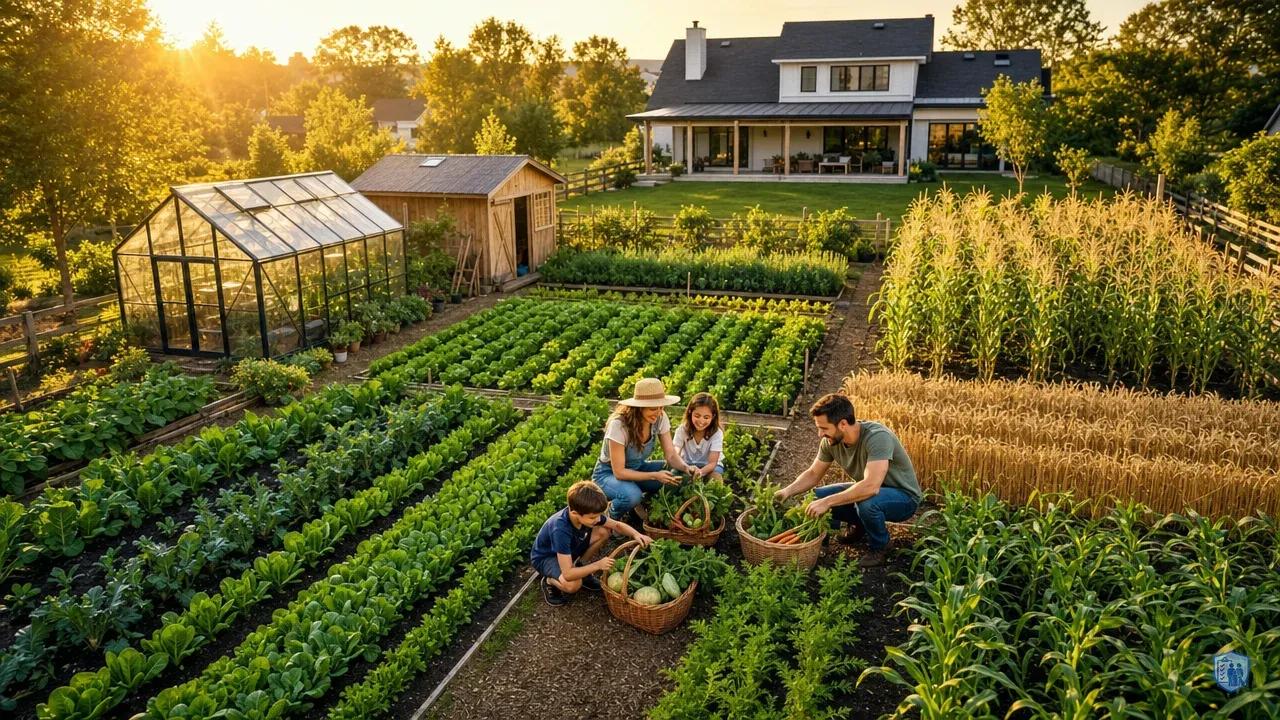
Your One-Acre Food Security Plan: Growing Independence
Picture this: you walk to your mailbox and notice the grocery store parking lot down the street is packed with cars at 6 AM. Later that day, you hear from a neighbor that the shelves were stripped bare by noon. When supply chains stumble and economic uncertainty makes every dollar precious, the garden outside your door becomes more than a hobby—it transforms into genuine security.
Growing your own food isn't about abandoning modern life or preparing for doom. It's about taking back control over one of your family's most fundamental needs. One acre of well-planned garden space can produce enough vegetables to feed a family of four year-round with proper crop selection and succession planting . That's not a fantasy from a homesteading magazine—it's a practical reality that thousands of families are already living.
The beauty of food independence lies in its flexibility. You don't need to transform your entire property overnight or master every agricultural technique before you begin. Smart crop selection that balances calorie-dense staples with nutrient-rich vegetables creates a foundation that reduces your dependence on supply chains that may be disrupted during emergencies . When economic turbulence makes grocery prices unpredictable or banking disruptions limit your access to cash, the tomatoes ripening on your vines don't care about market conditions.
- Storage Requirements
- All grains need cool, dry conditions in sealed containers to prevent pests and moisture damage.
- Processing Needs
- Consider grain mills or grinders to turn harvested crops into usable flour and meal.
- Growing Season Planning
- Plant timing varies by region - research your local climate and frost dates before starting.
High-Calorie Grains: Your Carbohydrate Foundation
When you're planning true food security, vegetables alone won't sustain your family through challenging times. You need substantial calories, and that means grains. While most backyard gardeners focus exclusively on tomatoes and lettuce, dedicating even a portion of your acre to grains creates a carbohydrate foundation that transforms your garden from supplemental to sustaining.
Winter wheat stands out as the cornerstone grain for family food production. Here's what makes it practical:
- Impressive yields on small plots: Winter wheat can produce 30-50 bushels per acre on small plots, providing substantial carbohydrate base for family food security
- Beginner-friendly growing cycle: Plant in fall, minimal maintenance through winter, harvest in early summer
- Long-term storage capability: Whole wheat berries can remain viable for many years when stored properly in cool, dry conditions
- Versatile end product: Grind into flour for bread, cook whole as a grain, or sprout for added nutrition
Beyond wheat, consider these grain options:
- Corn: Produces excellent yields per acre, dries well for long-term storage, doubles as animal feed if you expand to livestock
- Oats: Tolerates poor soil better than wheat, matures relatively quickly, excellent for breakfast porridge
- Dry beans: Technically legumes but fill the same calorie-dense role, fix nitrogen in your soil while growing, store indefinitely when dried
A quarter-acre grain plot might sound daunting, but it requires far less daily attention than vegetable gardens. You're not harvesting daily or fighting pests constantly—you plant, maintain minimally, and harvest once. That quarter-acre of wheat could produce enough grain to bake bread regularly throughout the year, providing a substantial portion of your family's calorie needs.
The storage benefits alone justify the effort. While fresh vegetables require immediate eating, canning, or freezing, whole grains sit quietly in food-grade buckets for years, asking nothing of you until the day you need them. This makes grains your insurance policy against food shortages.
Grains also offer economic advantages beyond just the food they provide. When flour prices spike at the grocery store, you'll have your own supply already stored. When bread becomes expensive, you'll be baking your own from wheat you grew yourself. This independence from market fluctuations provides both financial security and peace of mind.
Nutrient-Dense Leafy Greens: Maximum Nutrition Per Square Foot
Growing calories through grains feeds your family, but leafy greens keep them healthy. These nutritional powerhouses pack vitamins A, C, K, and essential minerals into compact spaces, making them ideal for maximizing every square foot of your food security plan.
Step 1: Choose cold-hardy, cut-and-come-again varieties. Start with kale and spinach—they're nearly indestructible for beginners. Kale tolerates both spring frost and fall freezes, while spinach actually tastes sweeter after cold weather. These aren't delicate crops that demand perfect conditions. They're resilient plants that produce abundantly even when you're still learning.
Step 2: Master succession planting for continuous harvests. Instead of planting your entire leafy green section at once, divide it into four or five smaller sections. Plant the first section, then wait two weeks and plant the second. Continue this pattern, and you'll create a rolling harvest that prevents feast-or-famine cycles. Nutrient-dense crops like kale and spinach can produce 6-8 harvests per season with succession planting , transforming a single 10x10 bed into a steady supply from early spring through late fall.
Step 3: Harvest correctly to encourage regrowth. Cut outer leaves when they reach 6-8 inches, leaving the central growing point intact. The plant responds by producing new leaves from the center, giving you another harvest in 10-14 days. This cut-and-come-again method means a single kale plant produces for months instead of giving you one harvest and dying.
Step 4: Extend the season with simple protection. A basic cold frame made from old windows or a simple hoop house covered in plastic sheeting adds weeks to both ends of your growing season. In moderate climates, this protection allows spinach harvests through December and new growth starting in February—fresh greens when the grocery store charges premium prices for wilted options shipped from across the country.
The beauty of leafy greens lies in their forgiveness. Miss the perfect harvest window? They're still edible. Forget to water for a day? They'll bounce back. For families new to food production, these crops build confidence while providing genuine nutritional value.
Leafy greens also excel at filling small spaces that might otherwise go unused. Plant them between larger crops, along pathways, or in containers near your kitchen door. Their compact size and quick maturity mean you can tuck them into any available spot and still get meaningful harvests. This space efficiency makes them perfect for maximizing production on a limited area.
Root Vegetables: Underground Food Storage
Sarah, a neighbor who started gardening three years ago, told me something that changed her perspective entirely: "I stopped worrying about my freezer failing when I realized I could just leave my carrots in the ground all winter." She'd discovered what experienced food gardeners know—root vegetables aren't just crops, they're living food storage systems.
When you plant potatoes, carrots, beets, and turnips, you're creating underground pantries that ask nothing of you except to be left alone. Root vegetables can be stored in the ground through winter in many climates, providing fresh food when other sources are unavailable . While your neighbors worry about power outages ruining their frozen food, your carrots sit comfortably under a layer of mulch, getting sweeter as the cold weather converts their starches to sugar.
Potatoes deserve special attention in any food security plan. A well-tended potato bed can produce impressive yields with minimal effort. Plant seed potatoes in spring, hill them up with soil as they grow, and harvest in late summer. Keep a portion for eating fresh and store the rest in a cool, dark place. Stored properly in cool conditions, potatoes can last for several months without any processing, canning, or electricity required.
Carrots and beets offer even simpler storage. In zones 6 and warmer, simply cover your unharvested root vegetables with a thick layer of straw or leaves after the first hard frost. The ground insulates them naturally, and you can dig them up as needed throughout winter—assuming you can find them under the snow. Mark your rows with tall stakes before winter arrives, and you'll enjoy fresh carrots for Christmas dinner while others are eating canned vegetables from the store.
The yield potential surprises most beginners. Even a modest raised bed can produce substantial quantities of carrots, beets, and turnips in a single season. These aren't exotic crops requiring special knowledge—they're straightforward vegetables that thrive on basic care and reward you with reliable harvests. Plant them densely, thin them as they grow (eating the thinnings in salads), and watch your underground pantry fill itself.
Root vegetables also provide excellent nutrition during the winter months when fresh produce is scarce. Carrots deliver beta-carotene, beets provide folate and manganese, and turnips offer vitamin C. This nutritional diversity helps your family stay healthy through the cold season when immune systems need extra support.
The storage flexibility of root crops gives you options that other vegetables don't provide. Harvest them all at once and store them in a root cellar, or leave them in the ground and harvest as needed. Either way, you're not racing against spoilage or depending on electricity to preserve your harvest.
- Traditional Ground Planting
- Standard row planting uses more space but produces fewer plants per square foot - good for beginners but less efficient for small yards
- Harvest Yield Results
- Space-efficient methods can triple your food production in the same area - more emergency food storage from your backyard garden
High-Yield Vegetables: Maximizing Your Harvest
If grains provide calories and roots offer storage, then tomatoes, beans, and squash deliver the harvest abundance that makes gardening feel genuinely rewarding. These crops transform modest spaces into productive food factories, especially when you employ space-saving techniques that maximize vertical growth.
Compare traditional sprawling tomato plants to properly trellised, pruned plants, and the difference is remarkable. A single indeterminate tomato variety, trained up a sturdy trellis and pruned to two main stems, can produce impressive quantities of fruit in just a few square feet of ground space. That same plant, allowed to sprawl, might occupy much more area while producing only slightly more. Multiply this efficiency across your entire growing area, and you'll understand why intensive vegetable production can yield $3,000-$6,000 worth of produce per quarter-acre when properly managed .
Pole beans demonstrate similar space efficiency. While bush beans produce a single flush of harvest and finish, pole beans climb 6-8 feet high and produce continuously for weeks. A row of pole beans on a trellis occupies minimal ground space but produces substantially more than bush beans in the same area. During economic uncertainty when grocery prices spike, those beans represent genuine savings and security.
Winter squash varieties like butternut and acorn squash offer the best of both worlds: high yields during the growing season and exceptional storage afterward. Plant them at the edge of your garden and let the vines sprawl into unused areas—they'll happily colonize pathways, lawn edges, or any space you don't need for other crops. Each plant produces multiple large squash that store for months in a cool basement or garage . No canning, no freezing, no electricity required.
The key to maximizing these high-yield crops lies in proper spacing and support systems that beginners can implement without carpentry skills. Cattle panels—those sturdy wire fence sections available at farm stores—make excellent trellises for everything from tomatoes to cucumbers to beans. Lean two panels together to form an A-frame, and you've created a walk-through trellis that supports hundreds of pounds of produce while taking up minimal ground space. These simple structures transform good gardens into abundant ones.
Vertical growing also improves plant health by increasing air circulation and reducing disease pressure. When plants sprawl on the ground, their leaves stay wet longer after rain or watering, creating perfect conditions for fungal diseases. Trellised plants dry quickly and receive better sunlight penetration, resulting in healthier plants and better harvests.
The psychological benefit of abundant harvests shouldn't be underestimated either. When you're picking buckets of tomatoes or armloads of squash, gardening stops feeling like work and starts feeling like genuine wealth creation. This positive feedback encourages you to expand your efforts and develop more advanced skills.
Seasonal Planting Schedule: Year-Round Food Production
The difference between a garden that produces for three months and one that feeds your family year-round often comes down to timing. Proper seasonal planning allows for continuous food production from a small plot throughout the growing season , but this doesn't require complex spreadsheets or perfect execution—just a basic understanding of what grows when.
Spring planting (as soon as soil can be worked, typically March-April):
- Lettuce, spinach, and other leafy greens tolerate light frost
- Peas climb trellises and fix nitrogen while growing
- Radishes mature quickly, providing fast encouragement for new gardeners
- Carrots and beets go directly in the ground for summer harvest
- Potatoes get planted 2-4 weeks before last frost date
Summer planting (after last frost, typically May-June):
- Tomatoes, peppers, and eggplants need warm soil to thrive
- Beans can be succession planted every 2-3 weeks for continuous harvest
- Corn goes in when soil reaches comfortable temperatures
- Squash and cucumbers spread quickly once weather warms
- Herbs like basil and cilantro fill gaps between larger plants
Fall planting (6-8 weeks before first frost, typically August-September):
- Cabbage family crops (broccoli, cauliflower, kale) prefer cool weather
- Carrots planted now mature sweeter after frost exposure
- Winter squash planted in summer gets harvested now for storage
- Garlic goes in the ground in fall for next summer's harvest
- Lettuce and spinach return for fall harvests
Winter preparation (November-February):
- Review what worked and what didn't in your garden journal
- Order seeds early while selection is best
- Build or repair trellises and support structures
- Plan crop rotations to maintain soil health
- Start indoor seeds 6-8 weeks before last spring frost
The beauty of this seasonal approach is its flexibility. You don't need to execute everything perfectly—if you miss the ideal planting window by two weeks, most crops will still produce. The goal isn't perfection but rather creating overlapping harvests that ensure something is always ready to eat.
Seasonal planning also helps you avoid the common beginner mistake of planting everything at once and then being overwhelmed with harvest in August while having nothing fresh in October. By spreading plantings across the season, you create a manageable workflow that fits into your regular routine rather than demanding marathon canning sessions.
Weather will sometimes disrupt your plans, and that's normal. A late frost might kill your first tomato planting, or an early freeze might end your fall crops sooner than expected. These setbacks are learning opportunities that teach you about your specific microclimate and help you adjust timing for future seasons.
Getting Started: Your First Steps to Food Security
The journey to food independence begins not with a perfectly executed one-acre plan but with a small bed of crops your family actually enjoys eating. I've watched countless enthusiastic beginners burn out after trying to plant everything at once, while those who started with a modest 10x10 bed are now managing productive quarter-acre gardens with confidence.
Choose three to five crops for your first season. Pick things you already buy regularly at the grocery store—tomatoes, lettuce, beans, carrots, and zucchini make an excellent starter combination. These crops are forgiving, produce reliably, and give you experience with different growing styles: staking tomatoes, succession planting lettuce, trellising beans, direct seeding carrots, and managing prolific zucchini plants. Success with these basics builds the confidence and skills you'll need for more ambitious projects.
Focus on soil health from day one. Your plants will only be as healthy as the soil they grow in, and building good soil is easier than fixing poor soil later. Start with a soil test from your local extension office—it typically costs $10-20 and tells you exactly what your soil needs. Add compost liberally, not just at planting but as mulch throughout the season. Good soil forgives beginner mistakes like inconsistent watering or imperfect fertilizing because it provides a buffer of nutrients and moisture retention.
Learn preservation and storage methods alongside growing. The most abundant harvest loses value if you can't preserve it. Start simple with freezing beans and tomato sauce, then expand to water bath canning for pickles and jams. Each preservation method you master multiplies the value of your garden because it extends the harvest beyond the growing season. A freezer full of your own vegetables in February feels like genuine wealth when grocery prices keep climbing.
Beginning with a manageable garden size and expanding as your skills develop leads to better long-term results . Each season teaches lessons that make the next season more productive. You'll learn which varieties thrive in your specific soil and climate, when to plant for optimal results, and how to manage pests without toxic chemicals. This knowledge compounds over time, transforming you from someone who gardens into someone who produces food reliably year after year.
The economic and practical benefits of food independence become more apparent with each passing season. When banking disruptions make cash scarce or currency devaluation erodes your purchasing power, the garden outside your door maintains its value. The skills you develop—growing, preserving, planning—can't be devalued by market forces. They're genuine assets that serve your family regardless of external circumstances.
Don't let the scope of a full one-acre food production system overwhelm you. Every experienced food gardener started exactly where you are now—looking at an empty patch of ground and wondering where to begin. The difference between them and beginners who quit is simply that they started small, learned from each season, and gradually expanded their capabilities.
Your first season might produce only a fraction of what an experienced gardener grows, and that's perfectly fine. You're not just growing vegetables—you're growing skills, confidence, and understanding. These intangible assets are just as valuable as the physical harvest because they enable all future production.
Consider keeping a simple garden journal to track what you plant, when you plant it, and how it performs. This record becomes invaluable for planning future seasons. You'll remember that the tomatoes in the south bed produced twice as much as those in the north bed, or that beans planted in early June outperformed those planted in late May. These observations, accumulated over seasons, create a personalized growing guide tailored to your specific property.
Connect with other gardeners in your area through local gardening clubs, farmers markets, or online forums. Experienced growers are usually happy to share advice, and you'll learn which varieties perform best in your region, where to source quality seeds and supplies, and how to handle local pest challenges. This community knowledge accelerates your learning curve significantly.
Ready to take the next step? Learn about food preservation and storage techniques to maximize your harvest's shelf life. The combination of productive growing and effective preservation creates true food security that no economic disruption can shake. Start with one small bed this season, master those crops, and expand next year. Your future self will thank you for the seeds you plant today.