When the Grid Goes Down: Why You Need Backup Communications
The short answer: For most families starting from zero, Meshtastic is the fastest path to real off-grid communication — no license, inexpensive LoRa hardware, and text messaging through your phone over a self-healing mesh (Meshtastic docs). Ham radio remains the most capable option — voice, the longest range, and a nationwide emergency-communications community — but it legally requires an FCC license (47 CFR Part 97). Plain LoRa radios are the simplest of all: pre-paired, long-range text between a fixed set of devices. Many prepared households layer them: Meshtastic for the family and neighborhood now, a Technician-class ham license as skills grow.
At a glance: LoRa vs Meshtastic vs ham radio
| Plain LoRa devices | Meshtastic | Ham (amateur) radio | |
|---|---|---|---|
| License required | No | No | Yes — FCC exam (Technician entry level) |
| Typical cost to start | Low (a pair of devices) | Low (LoRa node + your phone) | Moderate to high |
| Learning curve | Minutes | An evening | Weeks of study, then ongoing practice |
| What you send | Text | Text (phone app interface) | Voice, text, data, images |
| Realistic range | Miles, point-to-point, terrain-dependent | Miles per hop; the mesh extends it hop by hop | Local to worldwide, by band and conditions |
| Network shape | Only the devices you pre-pair | Self-healing mesh that grows with each node | Global community of licensed operators |
| Works when one node fails | If it's not one of your pair, yes | Yes — routes around gaps automatically | Yes — operators relay |
| Best for | A family that wants zero fuss | Neighborhood-scale resilience with phone convenience | Maximum capability and reach |
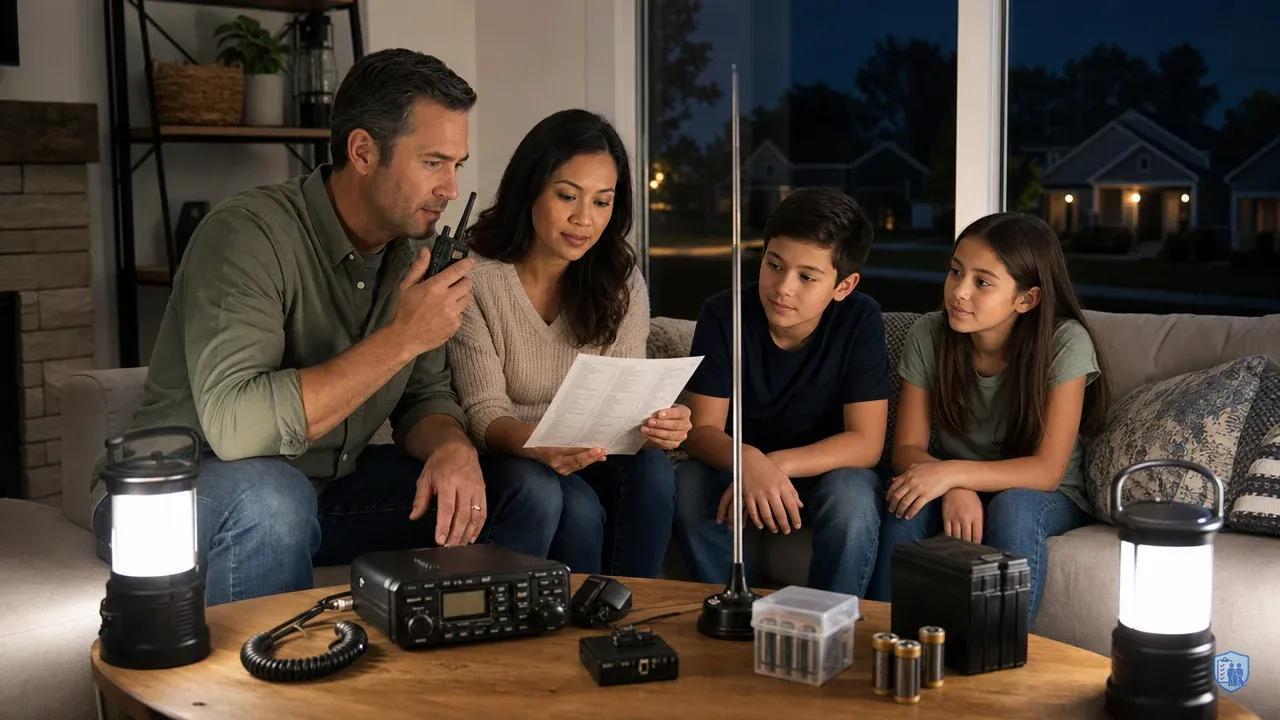
Picture this: You're settling in for the evening when suddenly, everything goes dark. Your phone screen stays black when you try to turn it on. The router won't reboot. Your neighbor's house is dark too, and so is every building you can see down the street. This isn't just a power outage, something more serious has happened, and you have no way to reach your family members across town or get information about what's going on.
This scenario might sound like the plot of a disaster movie, but electromagnetic pulses and coordinated cyber attacks pose real threats to our interconnected infrastructure. According to the Department of Homeland Security, EMP events can disable electronic devices and communications systems across large geographic areas . When phone towers fail, internet connections vanish, and even traditional broadcast systems become unreliable, having backup communication methods becomes essential for family safety.
The good news is that you don't need to be a technical wizard or spend a fortune to establish reliable emergency communications. Three main options exist for staying connected when conventional systems fail: ham radio, LoRa devices, and Meshtastic networks. Each offers distinct advantages for different situations and skill levels. Understanding these options now, before disaster strikes, gives you the power to make informed decisions about protecting your family's ability to communicate during the most critical moments.
Ham radio: the time-tested champion
When Hurricane Katrina devastated the Gulf Coast in 2005, and when wildfires swept through California communities, one communication system kept working when everything else failed: amateur radio. During major disasters, amateur radio has consistently provided the only reliable means of communication when all other systems have failed . Amateur radio operators are authorized to provide emergency communications during disasters and emergencies . This isn't new, untested technology, it's a battle-hardened system with a track record measured in decades.
Ham radio operates completely independently of electrical grid and cellular infrastructure . You don't need cell towers, internet connections, or even local power if you have a battery or generator. A properly equipped ham radio operator can communicate across continents, bouncing signals off the ionosphere to reach other operators thousands of miles away. During local emergencies, ham operators form networks that relay messages, coordinate rescue efforts, and help families reconnect with separated loved ones.
The Federal Communications Commission requires operators to obtain a license, which involves passing a test on radio theory, regulations, and operating procedures . While this might seem like a barrier, the licensing process ensures that operators understand how to use the radio spectrum responsibly and effectively. The entry-level Technician license exam isn't as intimidating as many people fear. With free online materials and local club support, many newcomers pass after dedicated study.
The ham radio community represents one of the system's greatest strengths. Walk into almost any town in America, and you'll find amateur radio operators ready to help newcomers learn the ropes. Local clubs hold regular meetings, organize practice drills, and provide mentorship. The American Radio Relay League maintains extensive educational resources and connects operators nationwide . When you get your ham license, you're not just buying equipment, you're joining a worldwide community of communicators who take emergency preparedness seriously.
Equipment costs vary widely, from basic handheld radios at the lower end to sophisticated base stations costing thousands. Most beginners start somewhere in the middle, investing in a quality handheld or mobile radio that provides reliable local communications with room to grow their capabilities over time. The investment pays dividends in capability and peace of mind.
LoRa: the long-range newcomer
If the licensing requirement and technical learning curve of ham radio feel overwhelming, LoRa technology offers a simpler entry point into emergency communications. LoRa stands for "Long Range," and the name delivers on its promise. LoRa devices can achieve ranges of several miles in urban areas and up to 10+ miles in rural areas , with LoRa devices operating for months on a single battery charge . No license is required for basic use , making LoRa an attractive option for people who want backup communications without committing to extensive training.
LoRa devices work by sending low-power radio signals on frequencies designated for unlicensed use. Think of them as extremely long-range walkie-talkies that can send text messages instead of voice. You pair two or more devices together, and they can exchange messages across impressive distances. The technology prioritizes range and battery life over data speed, which means you're limited to text communications, no voice calls or photos. For emergency situations, however, knowing your family members are safe or coordinating a meeting location matters far more than sending pictures.
Setting up LoRa devices is refreshingly straightforward. Most units arrive ready to use out of the box, requiring only basic configuration like setting a channel and pairing with other devices. You don't need to understand radio propagation theory or memorize frequency allocations. Charge the battery, power it on, and start communicating. This simplicity makes LoRa particularly appealing for families where not everyone has technical interests or abilities.
The trade-off for this ease of use is a smaller user community compared to ham radio's massive network. You'll primarily communicate with people you've pre-arranged to connect with, family members, neighbors, or local preparedness groups who've also invested in compatible equipment. During a widespread emergency, you won't have access to the same extensive network of operators that ham radio provides. However, for keeping your immediate circle connected, LoRa offers excellent capability with minimal complexity.
The low power consumption means you won't burn through batteries quickly. Solar charging options extend operating time indefinitely, making these devices practical for extended emergencies where you can't rely on wall power.
Meshtastic: the network that heals itself
Imagine a communication network that automatically grows stronger as more people join it, and continues working even when individual devices fail. That's the core concept behind Meshtastic, the newest player in emergency communications technology. Meshtastic devices create automatic mesh networks between all compatible units within range, with each device acting as both a communicator and a relay station for messages from others. Mesh networks can automatically reconfigure themselves when nodes are damaged or destroyed, maintaining communications pathways even under adverse conditions .
Here's how the magic happens: When you send a message on a Meshtastic device, it doesn't just go directly to your intended recipient. Instead, it hops through any other Meshtastic devices between you and them, automatically finding the best path. If one device in the chain goes offline, the network instantly recalculates and routes around the gap. Mesh networking technologies are particularly resilient, allowing them to operate without centralized infrastructure . In a disaster scenario where some equipment might be damaged or people might be moving around, this resilience becomes invaluable.
Meshtastic runs on inexpensive LoRa hardware but adds sophisticated networking software that transforms simple point-to-point devices into intelligent network nodes. The system integrates seamlessly with smartphone apps, letting you send and receive messages using your phone's familiar interface while the actual radio transmission happens through the external Meshtastic device. This combination gives you the range and reliability of radio communications with the user-friendliness of texting.
The moderate range of individual Meshtastic devices, similar to LoRa's several miles, extends dramatically through mesh connections. A message might travel dozens of miles by hopping through multiple devices, each extending the network's reach. As more people in your community adopt Meshtastic, the network becomes more capable and covers more area without anyone needing to upgrade their equipment or increase their power output.
Since Meshtastic represents the newest technology in this comparison, it comes with both advantages and considerations. The active development community constantly releases improvements and new features, but this also means the system is still evolving. Documentation and support resources continue growing, though they don't yet match the decades of accumulated knowledge available for ham radio. Early adopters should expect occasional software updates and the need to stay somewhat engaged with the community to get the most from their equipment.
The smartphone integration means you probably already own half the system. Your existing phone becomes the interface, while the Meshtastic device handles the actual radio transmission. This approach keeps costs down while providing a familiar user experience.
- Range & Coverage
- How far each system can reach - from neighborhood to worldwide communication
- Power Requirements
- Battery life, charging needs, and backup power options for each system
- Setup Complexity
- How easy it is to get started - from plug-and-play to requiring training
- Cost to Get Started
- Initial investment needed including equipment and any licensing fees
- Emergency Reliability
- Which systems work when cell towers fail or power grids go down
- Learning Curve
- Time and effort needed to become proficient with each communication method
Head-to-head comparison: cost, complexity, and capability
Understanding the practical differences between these systems helps you make a confident choice. Let's break down what matters most: your wallet, your time, and what you'll actually be able to do during an emergency.
Initial investment varies significantly across these three options. Entry-level LoRa and Meshtastic devices offer affordable starting points for those on a budget. Ham radio typically requires a larger upfront investment for quality equipment that will serve you well during emergencies. None of these systems require ongoing subscription fees, unlike satellite phones or commercial emergency services. Ham radio does require a one-time license exam fee, while LoRa and Meshtastic require no licensing costs at all.
Learning curves differ dramatically. LoRa devices work almost immediately after unboxing. Charge them up, set a channel, and start communicating. You can get started quickly with minimal technical knowledge. Meshtastic requires slightly more setup to configure the mesh network and pair with your smartphone, but most people get it running in an evening with the help of online guides. Ham radio demands real study time. You'll need to learn radio theory, regulations, and operating procedures to pass your license exam. After that, practice helps you become truly proficient at making contacts and troubleshooting issues.
Range and reliability show where ham radio earns its complexity premium. Ham radio offers the longest communication range but requires licensing and technical knowledge . Experienced operators routinely communicate across states or even continents using modest equipment. LoRa and Meshtastic require no license but have more limited range and capabilities , typically working best within local areas. The mesh networking of Meshtastic partially compensates by allowing messages to hop between devices, potentially extending effective range significantly in areas with good device density.
Community support matters more than many beginners realize. Ham radio has enormous resources: local clubs in nearly every town, extensive online forums, comprehensive training materials, and millions of operators worldwide. When you have questions at 2 AM, you'll find answers. LoRa and Meshtastic communities are smaller but growing rapidly, with active online groups and improving documentation. You'll find help, but you might need to search harder or wait longer for responses.
Matching systems to users becomes clearer with these factors in mind. Ham radio suits technically curious people willing to invest time in learning a complex but powerful skill. It's ideal for those wanting maximum capability and who appreciate joining an established community. LoRa fits people who want simple, reliable communications without technical overhead, perfect for families where some members aren't interested in radio as a hobby. Meshtastic appeals to smartphone-savvy users who appreciate elegant technology and want the resilience of mesh networking with modern convenience.
The best emergency communication system depends on individual technical skills, budget, and specific communication requirements . There's no single "right" answer that works for everyone. Your personal situation determines which system makes the most sense for your family.
Meshtastic vs ham radio: which should you get first?
This is the comparison most people actually face, and the honest answer is that the two solve different problems.
Get Meshtastic first when your goal is keeping your household and immediate neighbors connected without anyone studying for an exam. There is no license requirement, the hardware is inexpensive, and messages travel over a mesh that gets stronger every time someone nearby adds a node (Meshtastic docs). Your phone is the interface, so every family member already knows how to use it. The limits are just as clear: text only, and your reach depends on the nodes between you and the person you're trying to contact. In an area with few Meshtastic users, you have a family network, not a regional one.
Get your ham license first when you want reach beyond your neighborhood, voice communication, and access to the organized emergency networks — ARES and RACES — that activate during real disasters (ARRL). The Technician exam is a real but modest hurdle, and it buys capability nothing unlicensed can match: repeaters that cover whole counties, HF bands that cross states, and a community that drills for exactly the scenarios preppers worry about. The trade-off is that an unpracticed license is nearly worthless — this path rewards people who will actually get on the air.
The pragmatic sequence for many families: order Meshtastic hardware this week so the household has something that works immediately, and put the ham study guide on the nightstand. One is a purchase; the other is a skill. They compound.
Making your choice: which system fits your needs?
Start by honestly assessing your technical comfort level. Do you enjoy learning how things work, troubleshooting technical problems, and diving deep into complex systems? Ham radio will reward that curiosity with incredible capability. If you prefer tools that simply work without requiring you to understand their inner workings, LoRa or Meshtastic better match your style. There's no wrong answer here. The system that you'll actually use and practice with beats the "best" system that sits in a drawer.
Budget considerations extend beyond initial equipment costs. Can you invest several hundred dollars upfront for ham radio gear, or would you prefer starting with a more affordable LoRa device? Consider that starting with one system doesn't prevent adding others later as skills and needs develop . Many preparedness-minded people begin with simple LoRa devices for their family, then add ham radio capability as they develop interest and skills. This layered approach builds redundancy while spreading costs over time.
Think carefully about your actual communication needs during an emergency. Do you need to reach family members across town, or might you need to contact people hundreds of miles away? Will you primarily communicate within a small, pre-defined group, or do you want access to a broader network of operators? How important is voice communication versus text messaging? Your answers to these questions point toward different solutions.
Local community presence makes a huge difference in your experience and effectiveness. Research what systems other preparedness-minded people in your area use. A ham radio community with regular meetings and practice drills provides invaluable learning opportunities and ready-made emergency networks. Similarly, a neighborhood group adopting Meshtastic creates an instant mesh network that benefits everyone. Sometimes the "best" system technically becomes less important than the system your community actually uses.
Planning for gradual expansion gives you permission to start small. You don't need to build a complete communications arsenal immediately. Begin with one system that matches your current skills and budget, practice with it until you're confident, then consider expanding. Many experienced emergency communicators eventually use multiple systems, appreciating how each fills different roles. This approach prevents overwhelm while building real capability over time.
- Start with Your Phone
- Download offline maps, enable emergency alerts, and save important contacts with out-of-state backup numbers
- Get a Battery-Powered Radio
- Purchase a hand-crank or solar radio to receive emergency broadcasts when power is out
- Create a Communication Plan
- Write down meeting locations, contact numbers, and share the plan with all family members
- Build a Charging Kit
- Gather portable battery packs, car chargers, and solar chargers to keep devices powered
- Learn Basic Ham Radio
- Research local amateur radio clubs and consider getting a basic license for emergency communication
- Test Your Systems Monthly
- Practice using all communication methods and update contact information regularly
Getting started: your next steps
Taking action matters more than achieving perfection. Here's how to move forward with each system, depending on which direction appeals to you.
For ham radio, start by locating your nearest amateur radio club through the ARRL website . Attend a meeting. Clubs welcome visitors and love helping newcomers. Pick up a license study guide or use free online resources like HamStudy.org to begin learning. Local clubs often offer license exam preparation classes, and many experienced operators enjoy mentoring beginners. Study at your own pace using the abundant free resources available online. Once licensed, start with equipment appropriate for your budget and focus on making local contacts before expanding to more complex equipment.
For LoRa, research devices from established manufacturers and order a pair to start. Configure them according to the included instructions, usually just setting a channel and pairing them together. Test the range in your area by having a family member take one device on errands while you stay home with the other. Experiment with different locations to understand how terrain and buildings affect your range. Connect with online LoRa communities to learn tips for optimizing performance. The hands-on experimentation teaches you far more than reading alone.
For Meshtastic, purchase compatible LoRa hardware that supports Meshtastic firmware. The Meshtastic website maintains a list of recommended devices. Install the Meshtastic app on your smartphone and follow the setup wizard to configure your device and join the mesh network. Check if other Meshtastic users operate in your area by monitoring the network for a few days. Consider organizing a local group to build mesh network density in your neighborhood. Even a handful of devices can create a useful local network.
Regardless of which system you choose, regular practice and testing of emergency communication equipment is essential for effectiveness during actual emergencies . Schedule quarterly tests where you actually use your equipment to contact family members or local group members. Practice sending the specific types of messages you'd need during a real emergency: status updates, meeting locations, requests for help. Equipment that sits unused in a drawer won't work when you desperately need it. Muscle memory and familiarity matter when stress levels are high.
Local amateur radio clubs and emergency groups provide valuable training and support for beginners , even if you're not pursuing ham radio. Many emergency management organizations welcome anyone interested in communications, regardless of which technology they use. These groups often conduct regular drills that let you practice your skills in realistic scenarios alongside experienced operators using various systems. The connections you make through these groups become part of your emergency support network.
The most important step is simply starting. Choose the system that feels right for your situation, order the equipment, and begin learning. Every hour you invest in building communication skills and testing equipment makes your family safer and more resilient. When the grid goes down and conventional communications fail, you'll have the capability and confidence to stay connected with the people who matter most.
Don't let perfectionism stop you from taking that first step. You don't need to master everything at once. Pick one device, learn it well, and expand from there. The families who weather emergencies best aren't the ones with the most expensive gear. They're the ones who practiced with what they had.
Ready to dive deeper into emergency preparedness? Explore our complete guide to building your family emergency communication plan and discover how to create a comprehensive strategy that keeps everyone connected when it matters most.
Go deeper
- Ready to build a mesh? Start with our Meshtastic setup guide.
- For the bigger picture of what fails and when, read alternative communication networks when cell towers fail.
- Leaning toward a license? See the best ham radios for EMP survival.
- Prefer ready-made hardware? The emergency alert and handheld radios kit bundles the receive-side essentials.