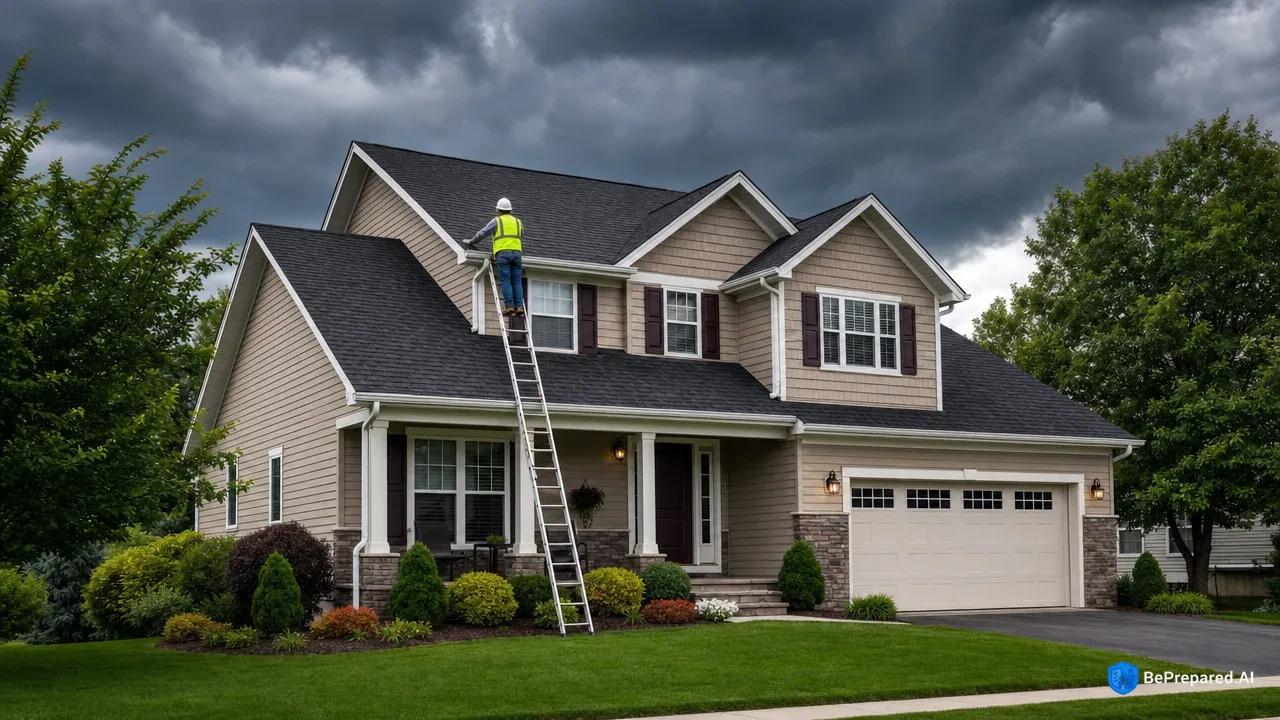
Why Your Roof is Your First Line of Defense
Picture this: Your neighbor's roof suddenly peels back like the lid on a sardine can during a Category 3 hurricane, while your house stands firm. The difference? They never bothered to check those loose shingles they'd noticed last spring. Here's what might surprise you—protecting your roof from hurricane damage doesn't have to be complicated or expensive, especially when you tackle it before storm clouds gather on the horizon.
Your roof does the heavy lifting during a hurricane, literally taking the brunt of 100+ mph winds while shielding everything you care about underneath. Hurricane winds can lift poorly secured roofs completely off homes , turning your protective shelter into an open box exposed to torrential rain and flying debris. But here's the encouraging news: small investments in prevention can save you from catastrophic losses. According to research on FORTIFIED construction standards, roof cover systems that meet these guidelines can reduce hurricane damage by up to 95% . That's not a typo—proper roof preparation can make the difference between minor repairs and total devastation.
The best part? You have far more control over this outcome than you might realize. You don't need to be a construction expert or spend a fortune to significantly improve your roof's chances of surviving a major storm. Most of what needs doing falls into two categories: things you can handle yourself with basic tools and observation skills, and strategic upgrades that professionals can complete in a day or two. Prevention truly costs less than emergency repairs—a few hundred dollars spent now beats the tens of thousands you'll face after wind damage opens your home to water intrusion.
Think of this as building a skill, not checking off a chore. Each step you take teaches you something new about your home and makes you more confident for next season.
- Missing or Damaged Shingles
- Look for bare spots, cracked, curled, or completely missing shingles that expose your roof deck to weather damage
- Clogged or Damaged Gutters
- Check for sagging gutters, visible debris buildup, or water stains that indicate poor drainage around your home's foundation
- Flashing Problems
- Inspect metal strips around chimneys, vents, and roof joints for rust, gaps, or loose sections that could allow water infiltration
- Sagging Roof Lines
- Notice any dips, curves, or uneven areas in your roofline that may indicate structural damage or deteriorating support beams
- Chimney and Vent Issues
- Look for cracked mortar, loose bricks, damaged caps, or blocked vents that could create safety hazards or moisture problems
Walk Around and Look Up: Your Basic Roof Inspection
You don't need to channel your inner daredevil and climb onto your roof with a clipboard. In fact, please don't—many roof problems can be spotted from ground level with careful observation , and the last thing you need is an injury before hurricane season even starts. Instead, grab a pair of binoculars, pick a clear day, and take a methodical walk around your entire house. You're looking for trouble signs that whisper now but will scream during a storm.
Start by examining your shingles from every angle your property allows. Loose or missing shingles are the most common hurricane vulnerability , and they're surprisingly easy to spot once you know what to look for. Do you see any shingles that are curling at the edges, like paper left too long in the sun? Those have lost their seal and will catch wind like sails. Check for any dark spots or streaks that might indicate missing granules—those protective bits that look like coarse sand. Shingles without their granule coating are vulnerable to UV damage and wind uplift.
Pay special attention to the roof edges, corners, and the area around your chimney and vents. These spots take the most punishment during high winds because they're where air pressure changes create the strongest uplift forces. Look for any flashing—that's the metal trim around chimneys, vents, and where your roof meets walls—that appears bent, rusted, or separated from the surface. Even small gaps become water highways once hurricane rains arrive.
Don't forget to inspect your gutters and downspouts from below. Are they sagging away from the roofline? Can you see plants growing out of them? (Yes, this happens more often than you'd think.) Gutters weighed down with debris or pulling away from their mounts can become projectiles in high winds, and they stop doing their crucial job of directing water away from your roof structure. Finally, scan for any tree branches hanging close to your roof. These aren't just dangerous during the storm—they're also scraping away at your shingles every time the wind picks up, creating weak spots that hurricanes exploit.
Take photos of everything during your inspection. These pictures help you track changes over time and provide documentation for insurance purposes if you ever need it. Date the photos and store them somewhere safe, like a cloud storage service or email them to yourself.
Quick Fixes You Can Handle Yourself
Now that you've identified potential problems, let's talk about the preparedness work you can tackle on a Saturday morning without special skills or expensive equipment. These aren't glamorous tasks, but they're the foundation of good hurricane readiness, and they'll serve you well even in everyday weather.
Clearing and securing gutters tops the list because it's both simple and critical. Climb a sturdy ladder (with someone holding it steady at the base—safety first) and scoop out all the leaves, pine needles, and mysterious roof gunk that's accumulated since you last checked. Trimming trees and shrubs makes them more wind-resistant , but those clippings often end up in your gutters. Clear gutters prevent water backup that can damage roof structure , seeping under shingles and into your attic space where it causes rot and mold. Once they're clean, check that downspouts direct water several feet away from your foundation. If they don't, add inexpensive extensions from any hardware store.
While you're up there, flush the gutters with a garden hose to check for proper drainage. Watch where the water goes. If it pools near your foundation or drains too slowly, you might have a clog further down the downspout. A plumber's snake or strong blast from the hose usually clears these blockages.
Tree and branch management requires a chainsaw or pole saw, but the principle is straightforward: anything that could reach your roof if it fell needs trimming back. Focus on dead branches first—they're the most likely to break loose in high winds. When you're cutting back live branches, maintain good clearance from your roof. This isn't just about preventing impact damage. Those branches act like giant brushes during storms, scrubbing away protective granules and creating entry points for wind to get under your shingles.
If a tree looks diseased, has a significant lean toward your house, or has branches larger than your arm reaching over your roof, that's a job for a professional arborist, not a DIY weekend. Get quotes from several tree services and schedule the work during their slower seasons when prices are more reasonable. Spring and early summer typically offer better rates than fall when everyone wants trees trimmed before winter.
Securing loose outdoor items might seem unrelated to roof preparation, but think about it: during a hurricane, your patio furniture, trash cans, and garden tools become airborne missiles. These items can slam into your roof and damage shingles or punch through windows and dent siding. Walk your property and identify everything that isn't permanently anchored. Store what you can in your garage or shed. Anchor down what you can't store—propane tanks, AC units, and large planters—with straps or chains.
Create a "storm day checklist" now while you're thinking clearly. Write down every item that needs securing and where it should go. Tape this list inside your garage or storage shed. When a hurricane threatens and stress levels rise, you'll have a clear action plan instead of trying to remember everything in the moment.
Finally, do a basic weatherproofing check around any roof penetrations. That means the areas where pipes, vents, or cables enter your house. You're looking for cracked or missing caulk, which you can replace with exterior-grade silicone sealant from any hardware store. Apply it on a dry day, smoothing it with a wet finger for a clean seal. Check your attic access point too—if you can see daylight around the edges, air and water can get in during a storm.
Add weatherstripping or adjust the fit. These small gaps matter because hurricane rain doesn't fall straight down; it comes at your house horizontally with tremendous force, finding every tiny opening. A tube of caulk costs a few dollars and takes maybe thirty minutes to apply. That's an easy win that pays dividends during every storm.
When to Call in the Professionals
Knowing your limits isn't defeat—it's wisdom. Some roof preparation work requires expertise, specialized equipment, and frankly, insurance coverage that you don't have when you're standing on your own ladder. The key is recognizing which problems need professional attention and getting that help scheduled before everyone else in your area has the same idea.
Call a licensed roofer immediately if your ground-level inspection revealed any of these red flags: multiple missing or damaged shingles in one area, sagging sections of roofline, water stains on your ceiling or in your attic, or flashing that's completely separated from the roof surface. These aren't cosmetic issues—they're structural vulnerabilities that will fail catastrophically in hurricane conditions. A qualified contractor can assess whether you need repairs or a full replacement, and they'll spot problems you might have missed from the ground.
Getting professional roof work done early in the year, before peak hurricane season, gives you better contractor availability and more reasonable prices. One of the most effective upgrades involves hurricane straps or clips, which can help secure your roof to the frame of your house . These metal connectors tie your roof trusses or rafters directly to your wall structure, preventing the entire roof assembly from lifting off during extreme winds. You can't see them once they're installed because they're in your attic, but they're working hard during every storm.
If your home was built before modern building codes required these connections, adding them is one of the smartest investments you can make. The cost varies depending on your home's size and structure, but it's typically far less than you'd pay for even partial roof replacement after storm damage.
Finding qualified contractors quickly requires some homework. Start by asking neighbors who've had roof work done—personal recommendations beat online reviews every time. Verify that any contractor you're considering holds proper state licensing and current liability insurance. Don't just take their word for it; ask to see certificates and call to confirm coverage.
Before hiring anyone, get written estimates from at least three contractors and ask these specific questions: Are you familiar with FORTIFIED Home standards? What's your typical timeline from contract to completion? Do you handle the permit process? What warranty do you offer on materials and labor? Can you provide references from jobs completed in the last year?
Watch out for storm chasers—contractors who flood into areas after hurricane warnings are issued, promising quick fixes at premium prices. These operators often do shoddy work and disappear before you can file a complaint. Legitimate local contractors want your repeat business and referrals; they're invested in doing quality work that protects their reputation in the community. If someone knocks on your door offering immediate roof repairs after a storm warning, be skeptical. Get everything in writing and verify their credentials before signing anything.
- January-March: Annual Roof Inspection
- Schedule a professional roof inspection to identify loose shingles, damaged flashing, or weak spots before storm season begins
- June: Storm Season Prep
- Trim overhanging tree branches, clean gutters and drains, and gather emergency supplies like tarps and plywood
- September-November: Peak Season Vigilance
- Monitor weather forecasts closely, keep emergency supplies accessible, and be ready to implement your storm plan quickly
Your Hurricane Season Timeline
Timing transforms roof preparation from a stressful scramble into a manageable project. Here's when to take action:
January through April: Planning and Professional Work
- Schedule your roof inspection (professional or DIY)
- Get quotes from contractors for any major work
- Complete structural upgrades like hurricane straps
- Replace damaged or aging roofs before demand spikes
- Research and purchase supplies you'll need for DIY maintenance
- Take "before" photos of your roof and property for insurance records
This is your sweet spot for getting work done. Contractors have more availability, prices are more competitive, and you're not racing against an approaching storm. Use this time to build relationships with reliable contractors you can call on for years to come.
May (Before Hurricane Season Begins): Maintenance and Preparation
According to the National Hurricane Center, the Atlantic hurricane season officially runs from June 1 through November 30 each year. That makes May your last chance to complete preparation work without time pressure.
- Clean gutters and downspouts thoroughly
- Trim trees and branches
- Complete minor repairs like replacing a few shingles or resealing flashing
- Test your attic ventilation system
- Document your roof's condition with photos for insurance purposes
- Create your storm day checklist for securing outdoor items
June through November (During Hurricane Season): Monitoring and Quick Response
- Check your roof after any severe weather
- Monitor hurricane forecasts when systems develop through NOAA or your local emergency management office
- When a storm threatens your area (3-5 days out): secure outdoor items, photograph your property, review your evacuation plan
- Never attempt roof repairs once tropical storm force winds arrive
When a Hurricane Warning is Issued:
The National Hurricane Center typically issues hurricane warnings approximately 36 hours before the anticipated onset of tropical storm force winds. At this point, your window for outdoor preparation has closed.
- Focus on interior preparation and evacuation if ordered
- Do not climb on your roof for any reason
- Boarding windows and securing doors takes priority over roof concerns at this point
- Attempting repairs at this stage puts you in danger without providing meaningful protection
After the Storm Passes:
- Wait until authorities declare it safe to go outside
- Document damage immediately with photos and video
- Tarp any openings to prevent further water damage
- Contact your insurance company before making permanent repairs
- Be patient—qualified contractors will be overwhelmed with demand
Getting roof work done before the season starts means you're not competing with thousands of other homeowners for limited contractor time and materials. You'll have peace of mind knowing your home is as protected as possible before the first storm even forms.
Building Your Confidence for Next Time
If you're reading this and feeling overwhelmed by everything you need to learn and do, take a breath. You've already taken the most important step by seeking out information and thinking ahead. Preparedness isn't about achieving perfection in one weekend—it's about building knowledge and capabilities over time, and you're already on that path.
Start small and build your skills gradually. Maybe this year you focus on keeping your gutters clean and trimming back those overhanging branches. Next year, you'll feel confident doing a thorough roof inspection and identifying problems early. The year after that, perhaps you'll tackle some minor repairs or invest in professional reinforcement. Regular maintenance makes hurricane preparation much easier because you're not facing a mountain of deferred maintenance when a storm threatens. You're simply continuing the good habits you've already established.
Keep detailed records of what you've done—dates you cleaned gutters, receipts from contractor work, photos of your roof's condition over time. This documentation helps with insurance claims if you ever need to file one, but more importantly, it helps you see your own progress. You're not starting from zero every season; you're building on last year's foundation. Create a simple folder on your computer or a physical binder where you store all this information in one place.
Connect with your neighbors about hurricane preparation. Share contractor recommendations, split the cost of renting equipment like pole saws, and keep an eye on each other's properties when storms approach. When your roof stays intact, you're not just protecting your own family—you're also ensuring that your home doesn't become a source of flying debris that damages other houses on your street. Community resilience starts with individual preparedness, and every home that weathers the storm successfully makes the entire neighborhood safer.
You're more prepared than you think. Every gutter you clean, every loose shingle you spot, every branch you trim back—these actions accumulate into real protection. Hurricane preparation isn't about eliminating all risk; it's about systematically reducing your vulnerability through informed, practical steps. Your roof is your first line of defense, and now you know how to strengthen it.
Remember that preparedness is a journey, not a destination. You don't need to do everything at once. Pick one task from this article—maybe cleaning your gutters or doing a ground-level inspection—and do it this weekend. Then pick another task for next month. Before you know it, you'll have built a solid foundation of knowledge and action that will serve you for years to come.
Ready to expand your hurricane preparedness beyond your roof? Check out our complete hurricane preparation checklist to protect your whole home and family.